
Safari.com
“Your Journey to Africa Starts Here: Growth, Grace & Grandeur!”
Table of Contents
- 03 Important facts →
- 04 Wild animals of East Africa →
- 04 Seasons in East Africa →
- 05 Visa and travel insurance →
- 06 Essential travel documents →
- 07 Airport departure taxes →
- 07 Commercial flight baggage policies →
- 07 Light aircraft restrictions →
- 08 General health requirements →
- 09 Important vaccinations for travel →
- 09 Health risks to consider →
- 10 Manage currency in East Africa →
- 11 Tipping and gratuities →
- 12 Communications →
- 13 Dress code →
- 13 Language guide →
- 14 Suggested items to pack →
- 15 Layers, swimwear & packing tips →
- 16 Day-pack packing list →
- 16 Travel safety tips →
- 17 Photography tips for safari →
- 18 Electricity, weather & climate →
- 19 Road conditions, distances & vehicles →
- 19 Ban on plastic bags →
- 20 Children on safari →
- 21 Any questions? Reach out now →
Page 02
About East Africa
Important facts
East Africa, home to over 400 million people and major urban centres like Nairobi, Dar es Salaam and Addis Ababa, has a strong agricultural sector and a vital tourism industry due to its wildlife and natural beauty.
The region is culturally diverse with numerous ethnic groups, has a rich historical background, and faces a mix of stability and conflict regarding governance and economic development.
Page 03
About East Africa
Wild animals of East Africa
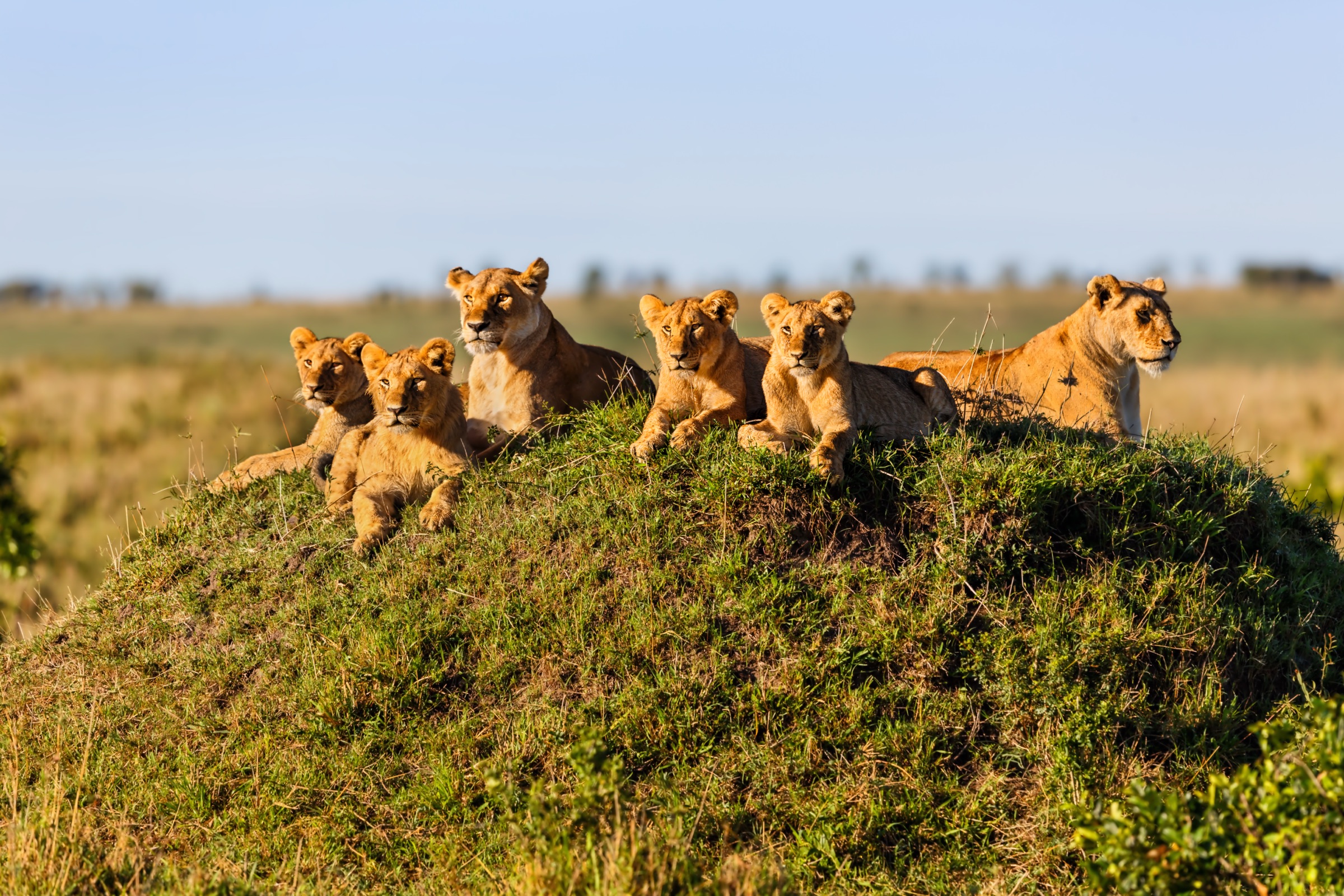
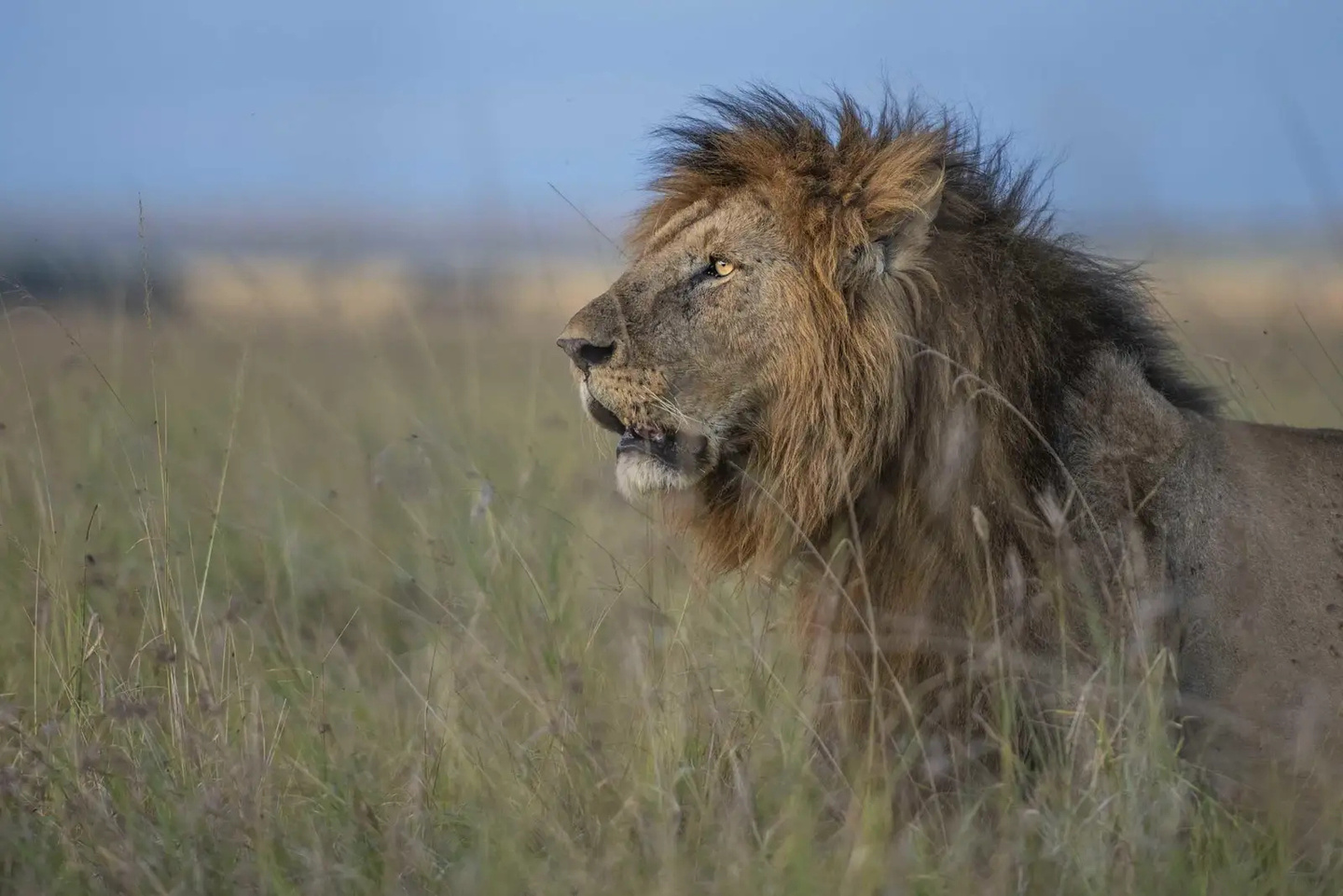
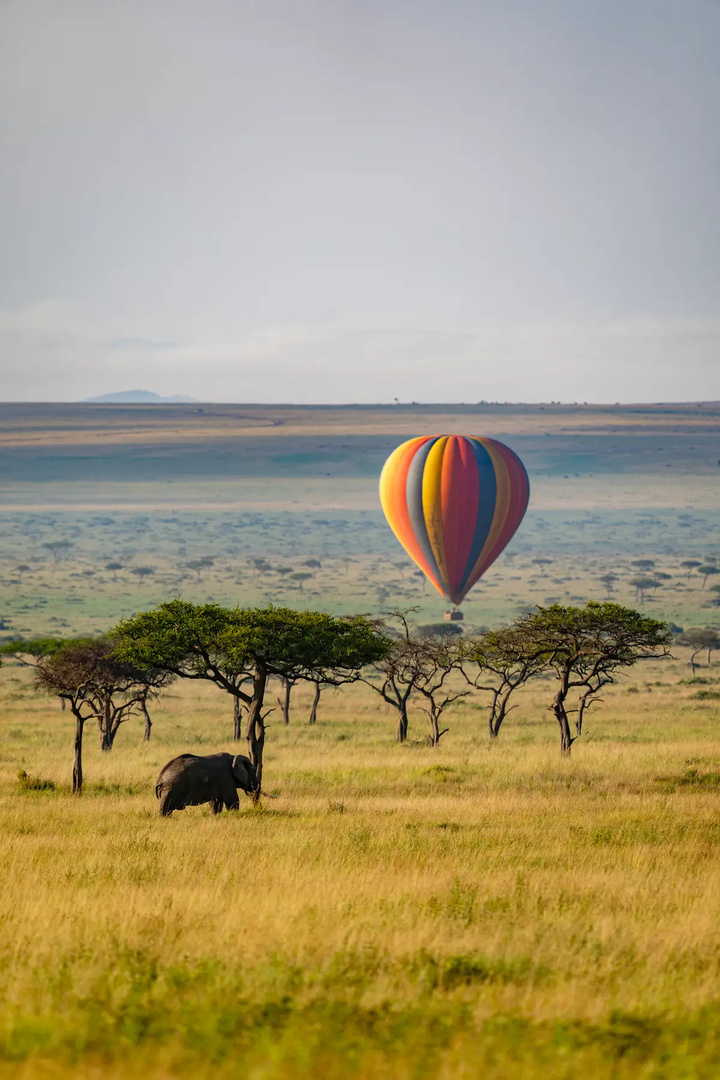
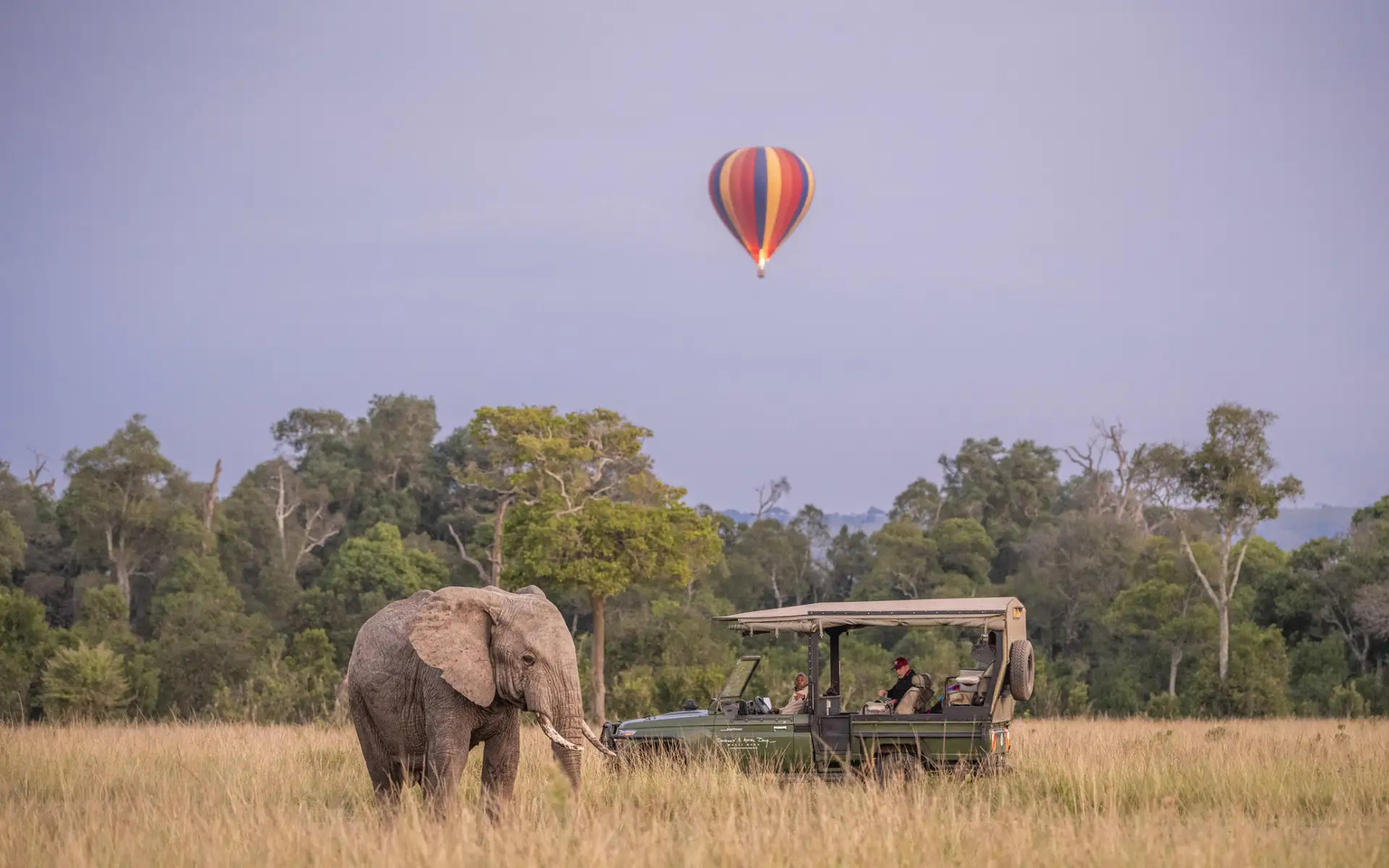
East Africa is renowned for its rich biodiversity and wildlife, featuring iconic parks like the Serengeti and Maasai Mara, which are home to the Great Migration and animals such as wildebeest, zebra, lion and elephant.
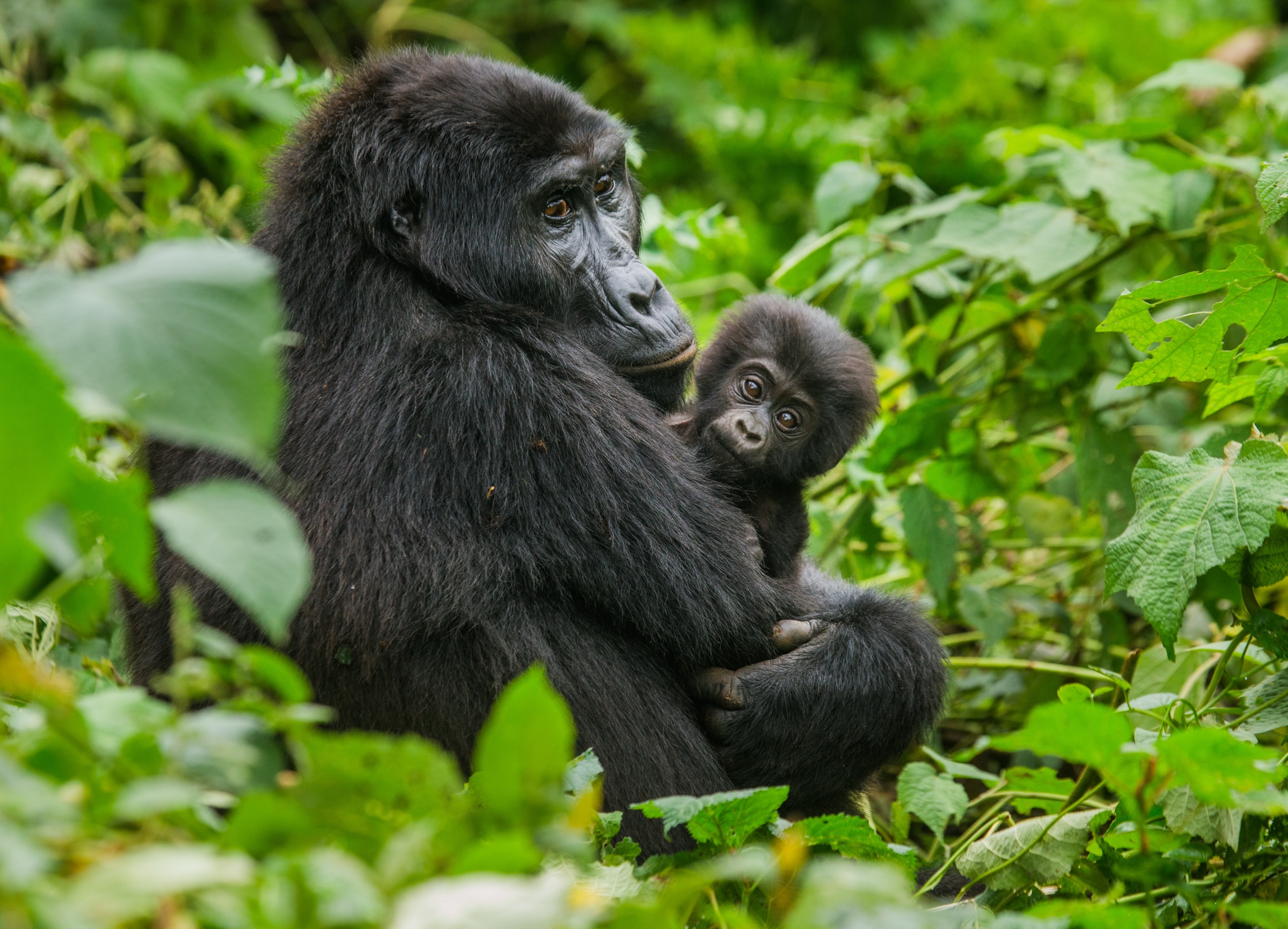
East Africa is also home to an impressive variety of lesser-known species, including unique endemic birds such as the shoebill and various sunbirds. Unique landscapes like the volcanic mountains of the Rwenzori range and the lush rainforests of the Albertine Rift provide crucial habitats for creatures like mountain gorillas and many other rare and endangered species.
Climate
Seasons in East Africa
East Africa typically experiences two main seasons: the dry season and the rainy season. The dry season runs from May to October, characterised by warm temperatures and little rainfall, while the rainy season occurs from November to April, with varying intensities of rainfall, peaking between March and May.
- Summer
- December – February
- Autumn
- March – May
- Winter
- June – August
- Spring
- September – November
Page 04
Travel Requirements
Visa and travel insurance
Visa requirements
Visa requirements vary by country. Kenya now uses an Electronic Travel Authorisation (ETA); Tanzania, Uganda and Rwanda use eVisas. See our East Africa visa application guide for the full breakdown.
Check via Sherpa for your passport
- Kenya
- US ·UK ·Australian
- Tanzania
- US ·UK ·Australian
- Uganda
- US ·UK ·Australian
- Rwanda
- US ·UK ·Australian
Travelling on a different passport? Click any link above and change the country of passport issue on Sherpa.
Travel insurance
Travel insurance is essential for every safari traveller. Safari.com can arrange cover for your trip, with a range of packages to suit different needs and budgets. Your safari specialist will walk you through the current options.
Not yet insured? Submit the travel insurance form and we will arrange it for you, time permitting.
Page 05
Travel Requirements
Essential travel documents
- Passport
- Must be valid for at least six months beyond your intended return date. Ensure it has 4 consecutive blank pages.
- Visa documents
- Printout of your visa approval if required by your destination country. Confirm the visa type (tourist, business, etc.) and its validity.
- Documents on travel to East Africa
- Printed and digital copies of your general information document on travel to East Africa including flight bookings, departure and arrival details, as well as confirmations of hotel bookings or stay arrangements.
- Proof of travel insurance.
- Health documents
- A doctor’s note with prescriptions if you’re carrying medication.
- Emergency contacts
- List of emergency contacts, including family and friends, and your country’s embassy in the destination country.
Page 06
Travel Requirements
Airport taxes and baggage
Airport departure taxes
Many African airports charge departure taxes, typically included in your ticket price. However, some require direct payment in US dollars, ranging from $3 to $50 per person. For specific details, consult your Safari.com specialist or check your flight reservations online.
Commercial flight baggage policies
Check-in luggage
Weight: 20 kg (44 lbs)
Size: 90 cm (H) × 72 cm (W) × 45 cm (L)
Hand luggage
Weight: 8 kg (17 lbs)
Size: 56 cm (H) × 36 cm (W) × 23 cm (L)
Light aircraft restrictions
When taking charter flights on light aircraft, pack in a soft-sided bag with a maximum weight of 15 kg (33 lbs) per person. Most safari lodges offer laundry facilities, allowing you to minimise your clothing.
You can also store excess luggage at your hotel or the airport if you’re returning there. Some charter companies have a weight limit of 100 kg per person; if you exceed this, be aware that you may need to pay for an additional seat due to weight distribution requirements.
Page 07
Health Requirements
General health requirements
In East Africa, travellers should be free of diseases like tuberculosis and cholera, common in some areas. Bring enough medications, along with wristbands, doctor’s notes and prescription details for emergencies.
For physical activities like trekking or rafting, a doctor’s letter confirming fitness is required.
Page 08
Health Requirements
Vaccinations & health risks
Important vaccinations for travel
East Africa is mostly a safe destination, but precautions are still necessary. Yellow fever requirements depend on your country of origin and country of travel; some countries require proof of vaccination if you are arriving from a yellow-fever-endemic country. Consult your doctor or a travel clinic, and your safari specialist will flag the latest entry requirements before you fly. If exempt from the vaccine for medical reasons, a letter from your GP is required.
Health risks to consider
- Altitude sickness. Risks associated with high-altitude trekking; acclimatisation is necessary.
- Insect-borne diseases. Use insect repellent and wear protective clothing.
- Access to healthcare. Medical facilities may be limited in rural areas; carry a basic medical kit and know how to seek help. Carry necessary medications, prescriptions and medical documents for emergencies.
Page 09
Monetary Guide
Manage currency in East Africa
Can I exchange currency in East Africa countries? You can easily convert cash to local currency at airports, hotels or banks.
Tips for managing currency in East Africa
Currency exchange
You can easily convert cash to local currency at airports, hotels or banks.
Check your bills
Ensure your USD bills are printed after 2006, as older notes won’t be accepted.
Small denominations
Bring small bills for tips and gratuities, as it can be difficult to find change at lodges.
Credit cards and ATMs
MasterCard and Visa are widely accepted, but transaction fees may be higher. ATMs are available in larger towns, though they may occasionally be out of order or affected by power cuts.
Page 10
Monetary Guide
Tipping and gratuities
East African countries accept US Dollars.
MasterCard and Visa are widely accepted, though transaction fees may be higher in some countries.
Safari.com was voted Africa’s Leading Safari Company at the World Travel Awards in 2024 and 2025.
Page 11
Customs & Etiquette
Communications
Check lodge amenities
Before your trip, confirm with the lodge what connectivity options are available. Some might offer Wi-Fi or other communication facilities, while others may only provide limited access.
Emergency communications
Understand the emergency protocols of your camp or lodge. Knowing how and when they can reach help is crucial, especially in more remote areas.
Respecting others
If you bring a satellite phone, adhering to the guidelines to minimise disturbances is considerate. Keeping conversations brief and discreet not only respects fellow guests but enhances the overall experience for everyone.
Power management
Satellite phones can drain batteries, so consider bringing a portable charger or extra batteries to ensure you stay powered up.
Page 12
Customs & Etiquette
Dress code and language guide
Dress code
Hotels and lodges typically have relaxed dress codes. Dress conservatively in urban areas, on beaches and in rural communities, particularly in Islamic regions.
Language guide
Swahili (Kiswahili) is a Bantu language with Arabic loanwords. English is widely spoken, but a few words of Swahili are greatly appreciated.
Greetings
- Jambo
- Hello
- Habari
- How are you?
- Habari gani
- The news?
- Hujambo
- How are you?
- Sijambo
- I’m fine
- Mambo
- Hello (informal)
- Shikamoo
- To elders
- Marahaba
- To ‘Shikamoo’
- Salama
- Peaceful
Useful phrases
- Asante
- Thank you
- Asante sana
- Thanks a lot
- Pole
- Sorry
- Badae
- Later
- Lala salama
- Sleep well
- Nashukuru
- I’m thankful
- Tafadhali
- Please
Basics & farewells
- Poa
- Cool
- Ndiyo
- Yes
- Hapana
- No
- Kwa heri
- Goodbye
- Tutaonana
- See you
Page 13
Safari Travel Tips
Suggested items to pack
- Insect repellent. Strong formula for mosquitoes.
- Water bottle. Reusable and sturdy.
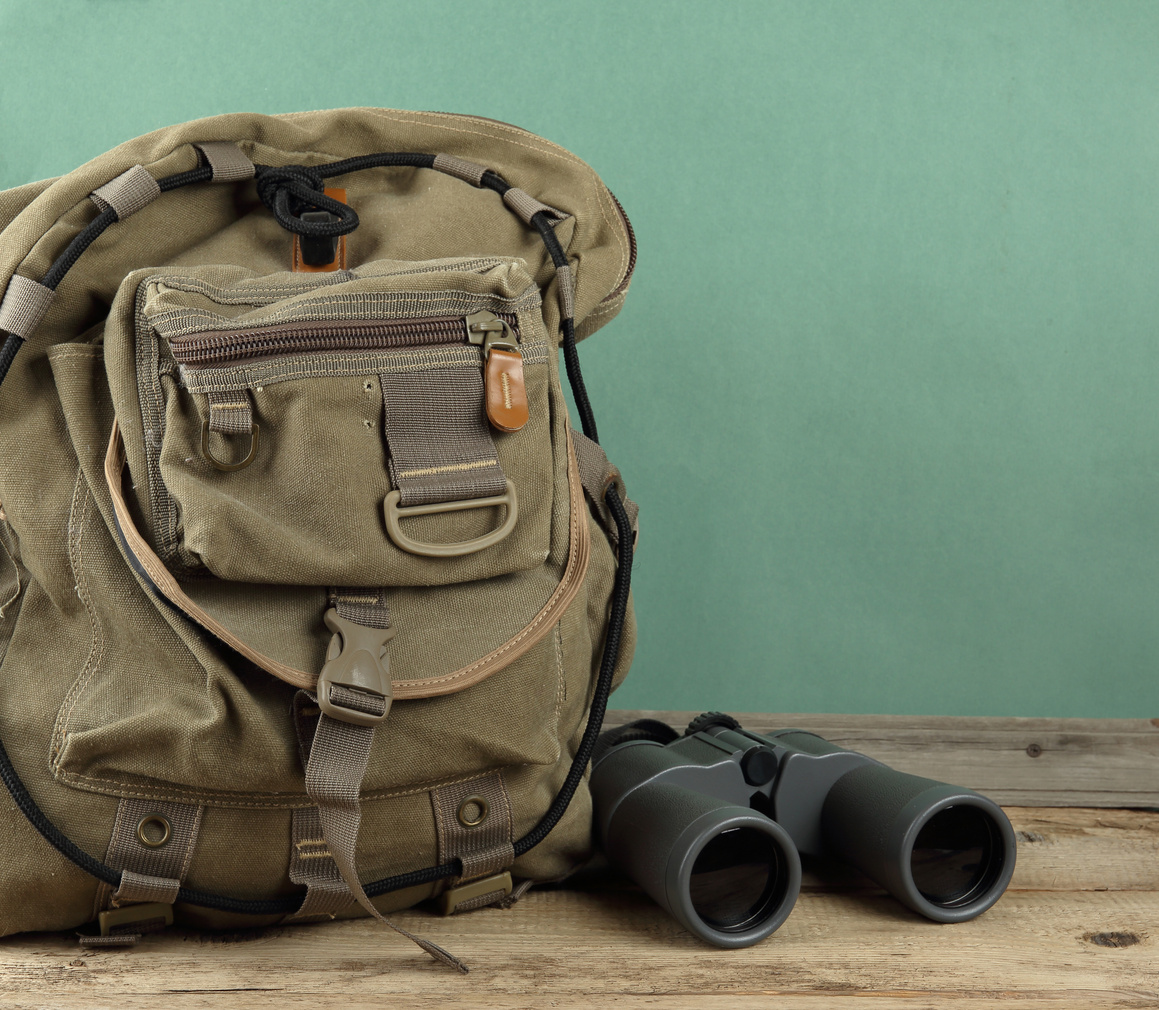
- Binoculars. Lightweight and portable, essential for wildlife.
- Camera and lenses. Waterproof bag for dust and moisture.
- Day bag. Small backpack or tote for daily essentials.
- Footwear. Closed walking shoes for drives; sandals for the lodge.
- Hat and sunscreen. For daytime excursions.
- Rain jacket. Lightweight and packable.
Since 2006, over 60,500 travellers have entrusted us with one of life’s most significant journeys, a luxury safari.
Page 14
Safari Travel Tips
Layers, swimwear & packing tips
Clothing
- Warm layers. Sweater or fleece for chilly evenings. Gloves and scarf for winter trips.
- Swimwear. If your lodge has a pool or you’ll visit the beach.
- Trousers and shorts. Breathable fabrics; consider the season.
Entertainment & extras
- Reading material. A book or e-reader for downtime.
- Travel documents. Passport, visas and insurance to hand.
General packing tips
- Pack light. Many lodges provide laundry services, so you can bring fewer clothes.
- Luggage restrictions. Keep passport, visas and insurance details accessible.
Page 15
Safari Travel Tips
Day-pack packing list
- Water bottle. Reusable and insulated to keep drinks cold; consider a hydration bladder for easy access.
- Snacks. High-energy snacks like nuts, energy bars, dried fruit and jerky.
- Sun protection. Sunscreen (SPF 30 or higher), lip balm with SPF, sunglasses (UV protection), wide-brimmed hat or cap.
- Camera. With extra batteries and memory cards.
- Binoculars. For wildlife spotting.
- Phone and charger. Optional power bank for extra battery life.
- Lightweight poncho or rain jacket. In case of unpredictable weather.
- Trash bags. For packing out waste or storing wet items.
Safari Travel Tips
Travel safety tips
- Keep documents secure. Make copies of important documents (passport, ID, insurance) and store them separately.
- Use reliable transportation. Opt for reputable taxi services or rideshare apps and avoid unlicensed taxis.
Page 16
Safari Travel Tips
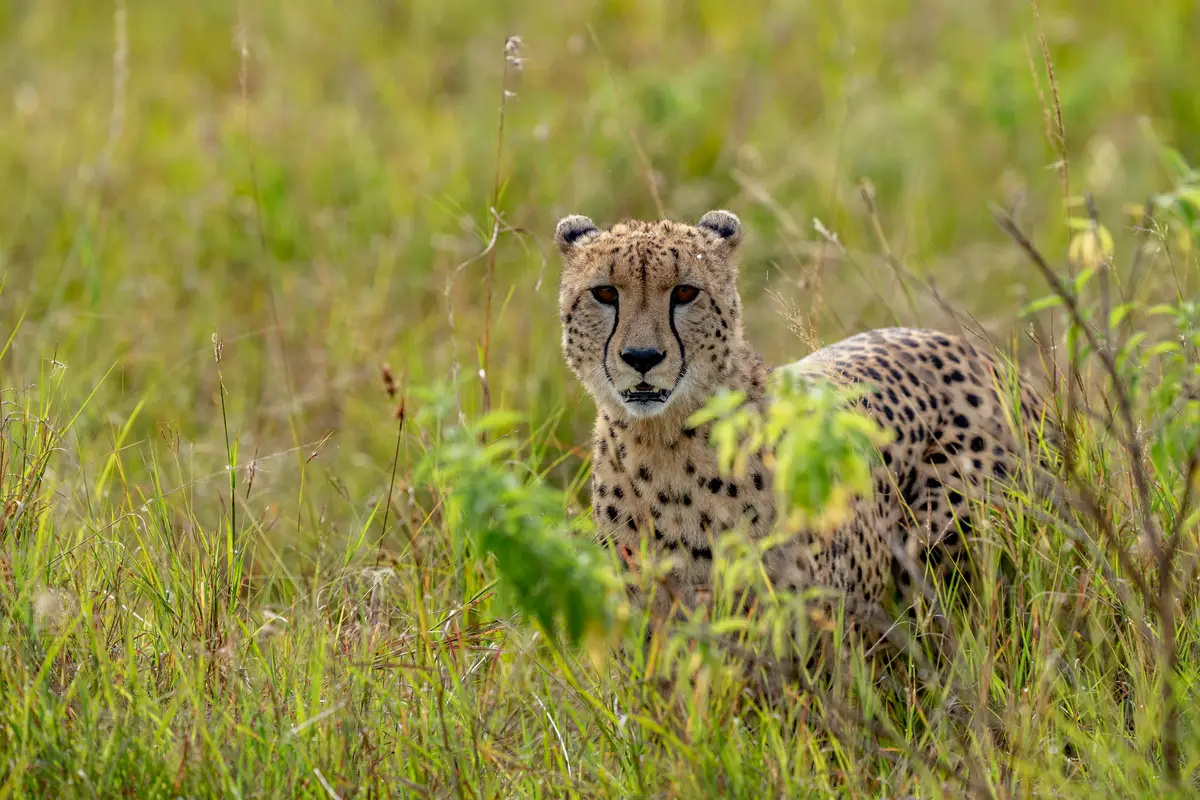
Photography tips
Amateur photographers
- A standard digital camera works well.
- Bring extra batteries and memory cards (recharging may not be possible daily).
Professional / semi-professional photographers
- Use a dustproof case and monopod for stability.
- Consider a private safari for fewer distractions.
- Carry two camera bodies to avoid lens changes in dusty conditions.
- The rainy season offers cleaner air and fewer tourists.
Always ask permission before photographing people or sensitive areas and respect local customs. Let your guide assist with negotiations.
Page 17
Important Safari Notes
Electricity, weather & climate
Electricity
Some lodges have limited power, so charge devices in central areas and bring extra chargers and camera batteries.
Weather & climate
East Africa’s climate varies: coastal areas are humid with long rains (March to May) and short rains (October to December), while highlands are cooler and savannas are dry with wet seasons.
The dry season (June to October) is best for wildlife. Pack light clothes, a jacket for evenings, and a rain jacket if visiting during rainy season.
Page 18
Important Safari Notes
Roads & plastic bag ban
Road conditions, distances & vehicles
In East Africa, most roads are well-maintained tarred routes, but some dirt roads, especially in mountainous areas, can be rough and dusty.
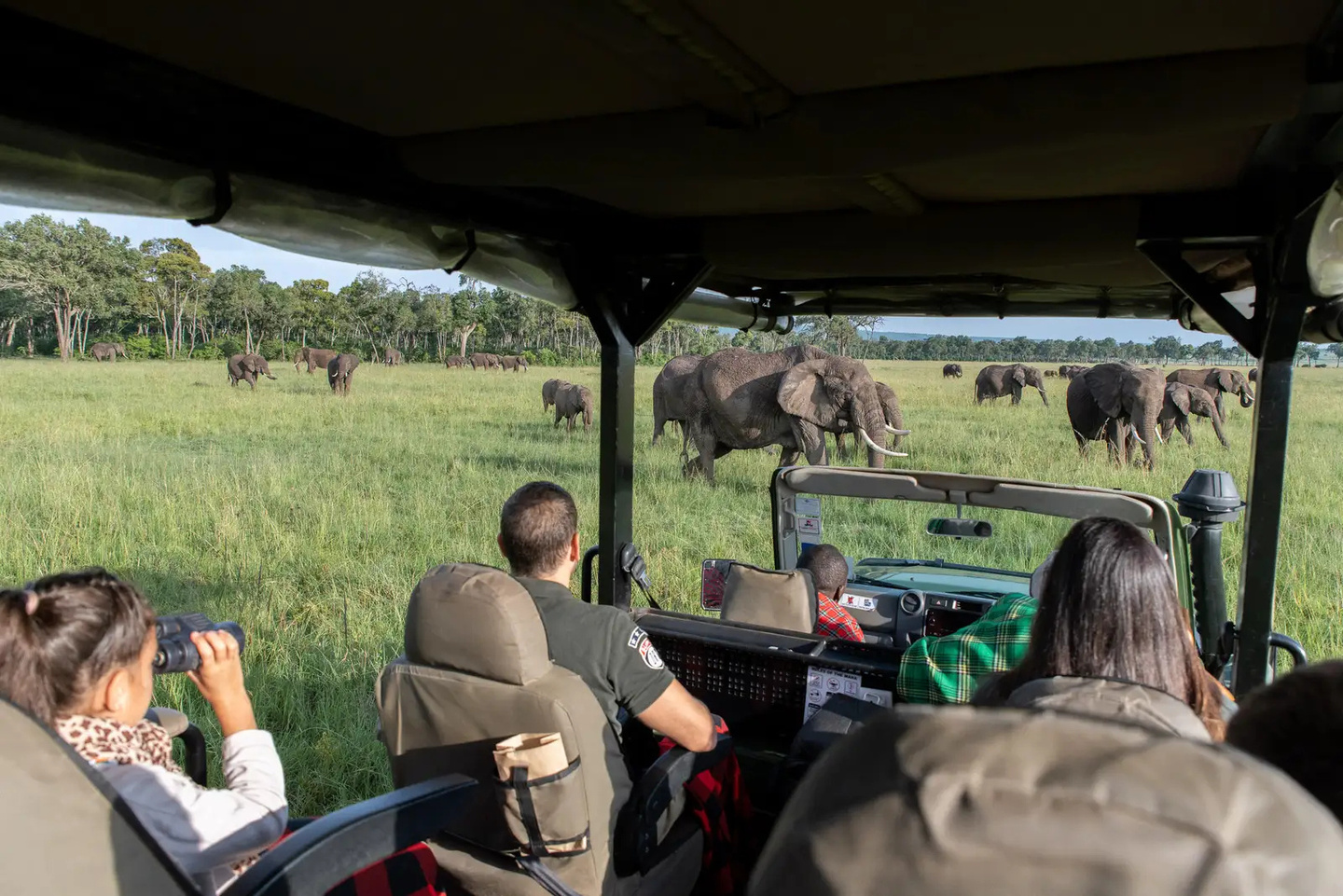
For shorter travel times, consider charter flights — ask your Safari.com specialist for options and pricing. You’ll travel in 4x4 Toyota Land Cruisers, designed for game viewing, seating 4–7 passengers.
Ban on plastic bags
Kenya and Tanzania have banned plastic carrier bags to combat pollution. Selling, manufacturing or possessing them is illegal, with fines or imprisonment for violations.
This move highlights both countries’ commitment to sustainability and environmental protection.
Page 19
Important Safari Notes
Children on safari
- Kid-friendly lodges
- Many lodges cater to families with activities and amenities for kids.
- Ranger packs
- Lodges provide educational packs to keep children engaged.
- Age restrictions
- Children under 5 are usually not allowed on regular game drives for safety.
- Private game drives
- Families can opt for private vehicles for shorter, kid-friendly drives.
- Travel requirements
- One parent. An unabridged birth certificate and consent letter from the other parent are needed. Guardians. Guardians need affidavits from parents granting travel permission.
A safari in Africa offers children a life-changing connection with nature and wildlife.
Page 20
Safari.com Info
Do you have any questions?
Please don’t hesitate to reach out. Our team of safari specialists are here to support you every step of the way. A safari specialist will be in touch within as little as 15 minutes during working hours.
Page 21