Twenty years ago, two best friends started what became Safari.com. The conviction was simple: Africa's wildlife, landscapes and lodges are genuinely unlike anywhere else on earth, and arranging the trips that bring people to them was a cause worth a career. I am the technical half of the partnership; Ric, my cofounder, runs marketing and sales. More than 60,000 travellers and back-to-back World Travel Awards later (Africa's Leading Safari Company, 2024 and 2025), neither the partnership nor the friendship has thinned.
My wife and I made Mauritius our home a few years ago, so when Ric told me he was coming over for a week with his wife Robynne, their two children and his son's girlfriend, it was the simplest yes I have given in a long time. Seven of us. A chance to share the island, and to put its three most celebrated resorts under the same lens, in the same week, with the same eyes.
Ric is older than me. A few years back he stepped away from the operational side of the business to spend more time with his family, which makes a week like this all the more meaningful. He has been beside me for two decades, as a friend first and a mentor always. We built Safari.com the way the Japanese talk about craft: one thing, done seriously, for a long time. To get this much uninterrupted time together, to watch his children grow into the people they are becoming, and to call any of it work... we are absurdly lucky to be in an industry where that is possible.
Twenty years ago Robynne made me the only square home-cooked meals I could reliably count on. Ric and I are both workaholics, and I kept him up past four in the morning more nights than I should have, yet I was always invited back. Now that I am at a similar age, married myself, and with my wife just over three months pregnant, I have a clearer view of the concessions a family makes to accommodate two founders and their singular obsession with a business over twenty years.
Eight days. Three resorts. Four Seasons at Anahita on the east coast first. Beachcomber Royal Palm in the north next. St Regis at Le Morne in the west to close.
Ric rented a large Kia from the airport for the family (we had considered private transfers, but driving between resorts ourselves made more sense), and the loose plan was to spend the odd evening off-property. Aside from a boat trip out of Bain Boeuf, that never happened. Each resort had more food, more wellness, more setting and more sheer reason to stay put than we could exhaust before check-out. What started as a family holiday turned into a comparative review by accident, and a fairly luxurious one at that.
The case for Mauritius, particularly for our reader: it is four hours from Johannesburg, a direct flight from Sydney, and almost the only luxury beach destination in the world that pairs neatly with a South Africa safari. Most of our guests now combine the two.
Why Mauritius pairs with a South Africa safari
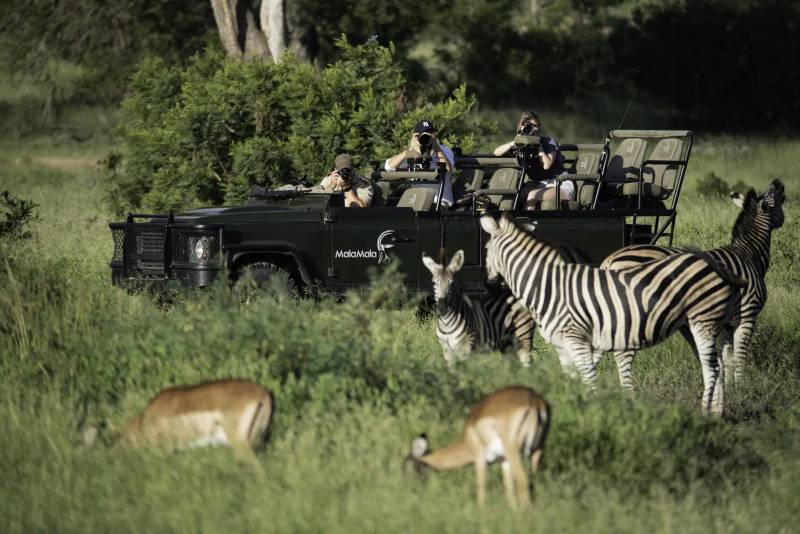
A safari is the most alive a week of travel can feel. Pre-dawn starts, long days under an open sky, the steady hum of anticipation between sightings, a different sunset every night. After even a few intense days of that, even the people who love it most are ready to slow down somewhere warm by the ocean.
Mauritius does that better than the alternatives. Cape Town is wonderful but it is a city. Zanzibar is the obvious East African pairing, but the high-end inventory is thin. The Seychelles is further and pricier, and the number of properties operating at a true luxury standard is smaller than most travellers expect. Mauritius sits four hours and forty minutes from Johannesburg with multiple direct daily flights, and there is a similarly direct Air Mauritius hop between the island and Cape Town.
What is harder to convey in numbers is the depth. Many of the island's Franco-Mauritian families have made it their home for generations, and a working economy as a regional financial hub gives Mauritius a breadth of supply across restaurants, hospitality, craft and talent that you only get in places that are properly lived-in rather than just visited.
The unevenness is part of the texture. Corail Helicopters, which we tried and failed to book for an inter-resort transfer because they were already sold out, operates a fleet of Airbus Eurocopters that are regarded as among the safest commercial helicopters anywhere in the world. On the same island, it can be hard to find a certified MacBook repair, yet easy to find a deli with a hundred kinds of cheese.
For Australian travellers it works particularly well as a stopover. Air Mauritius runs direct flights from Perth, with onward connections to Johannesburg, which turns a single punishing hop to Africa into two manageable legs with a week of beach in the middle. The natural shape is safari first, then unwind in Mauritius on the way home. For travellers flying out of South Africa, the MRU to JNB hop is just under four hours, so the order is genuinely flexible. Mauritius works as a decompression week after safari, or as a recalibration pad before it.
Four Seasons Resort Mauritius at Anahita (east coast)
Anahita sits on the quieter east side of the island, on a lagoon ringed with mangroves. The check-in is one of the nicest I've had anywhere, taken at a table on a slight rise overlooking the water rather than at a desk. It sets the tone immediately.
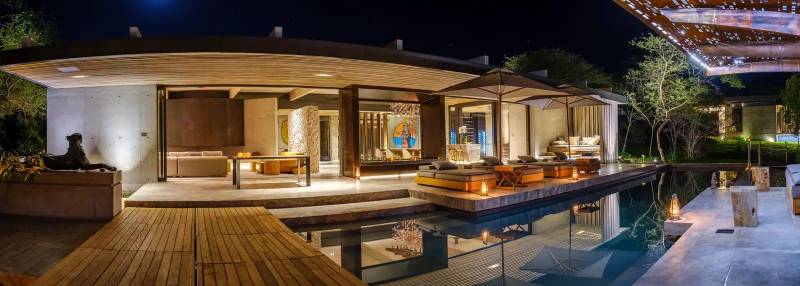
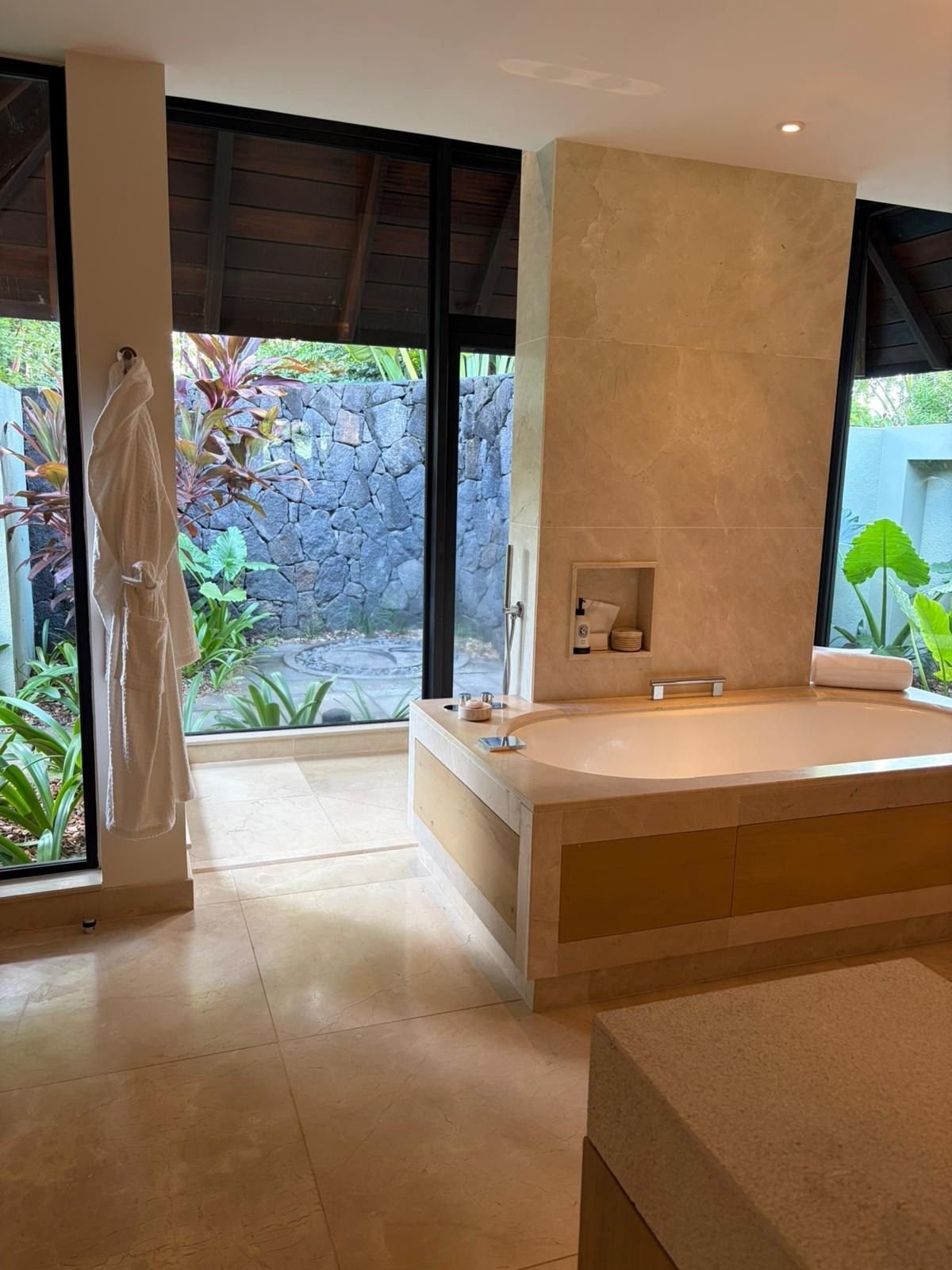
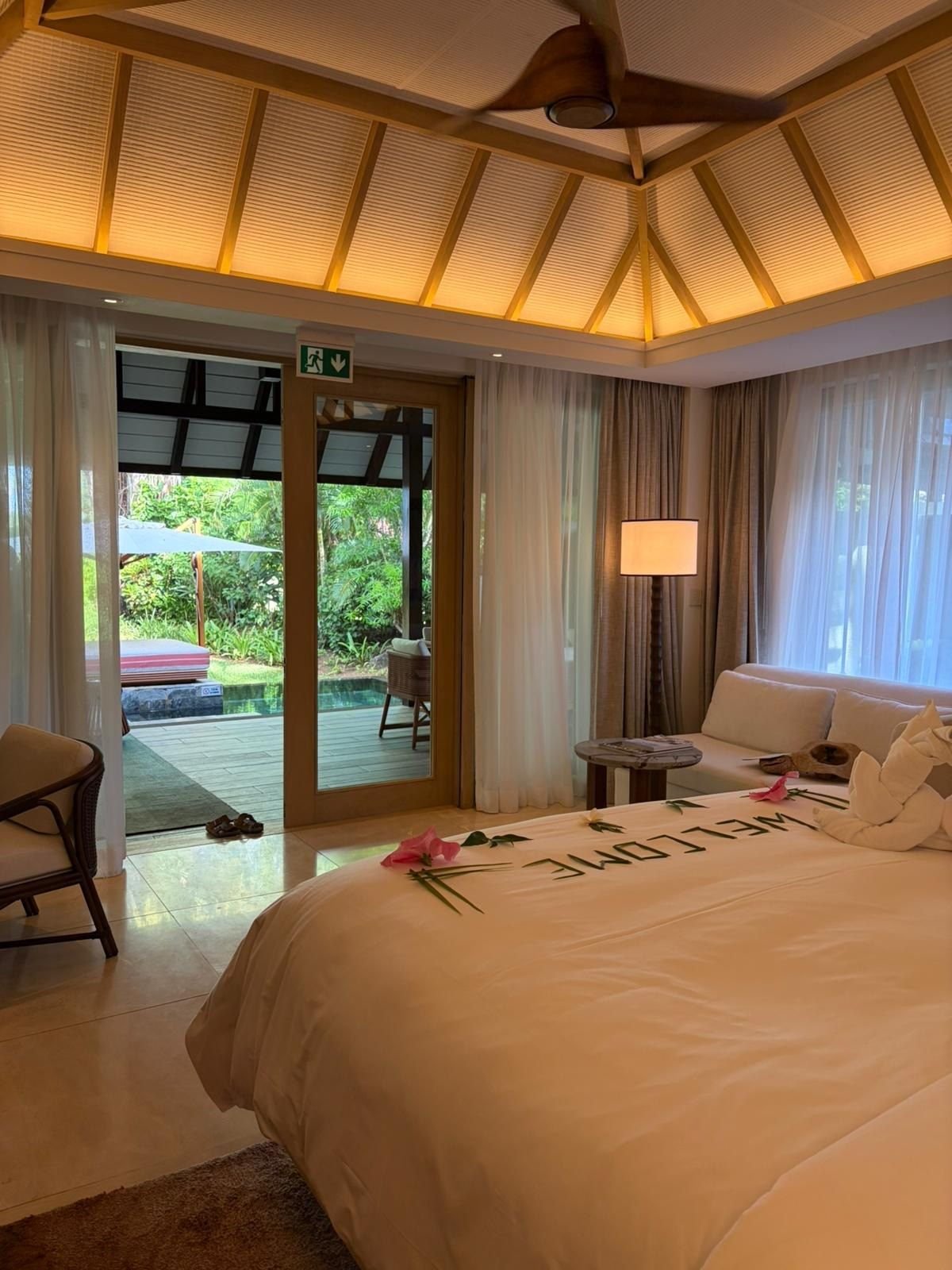
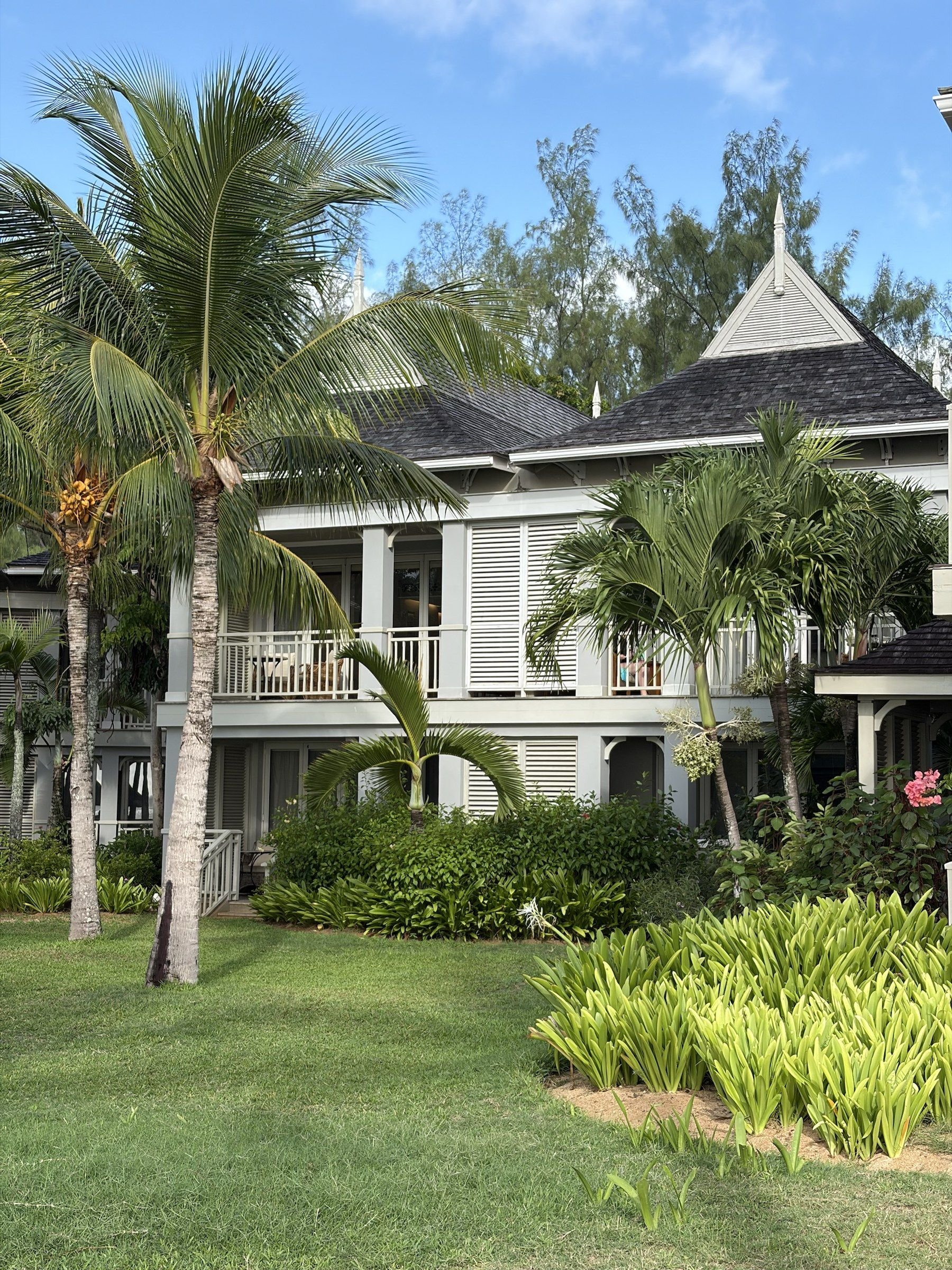
Four Seasons has been recently renovated and it shows. Of the three resorts, the aesthetic here is the most contemporary and the most considered: open-plan villas with serious furniture, fixtures and finishes, the kind of design language you find in a private residence rather than a hotel. The design also rewards a second look. Panels and doorways that read as decorative or open at first glance turn out, on closer inspection, to lock down completely. Open when you want it, properly secured when you don't.
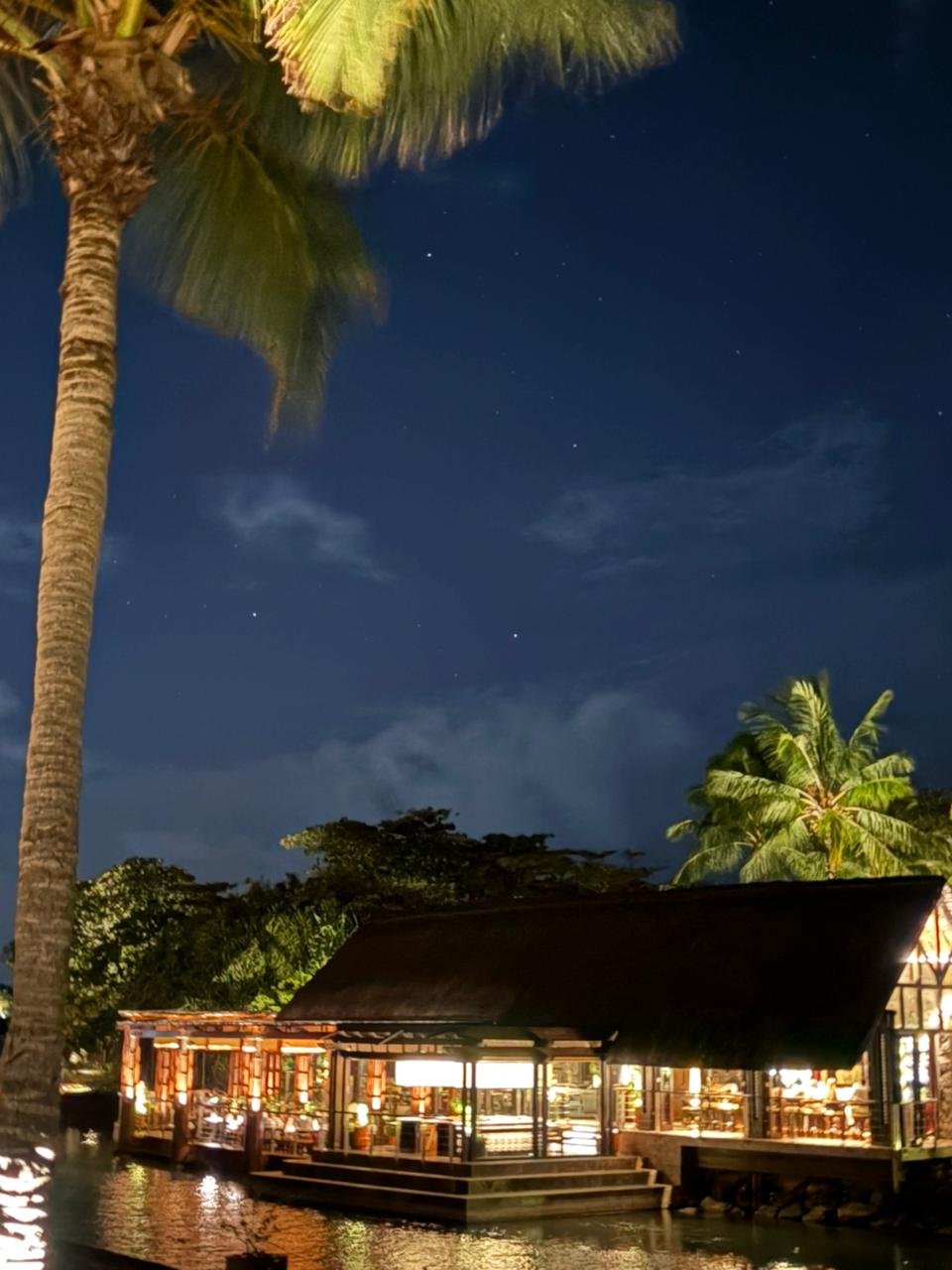
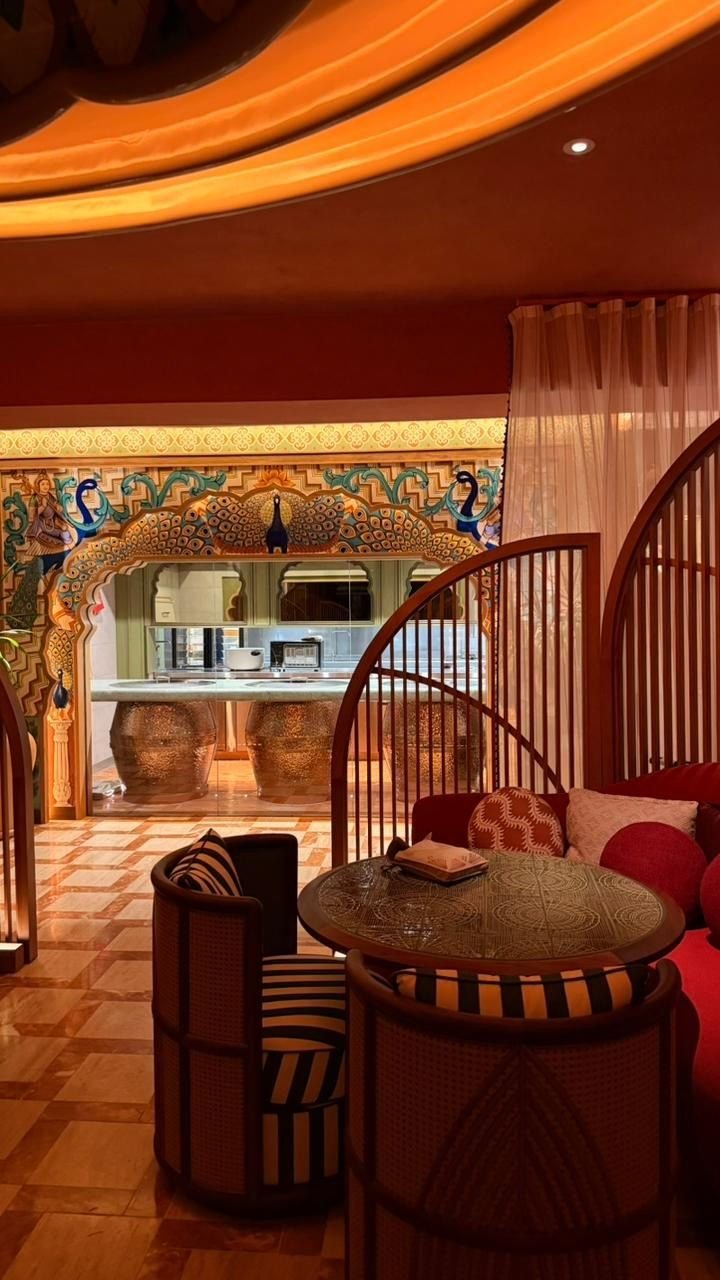
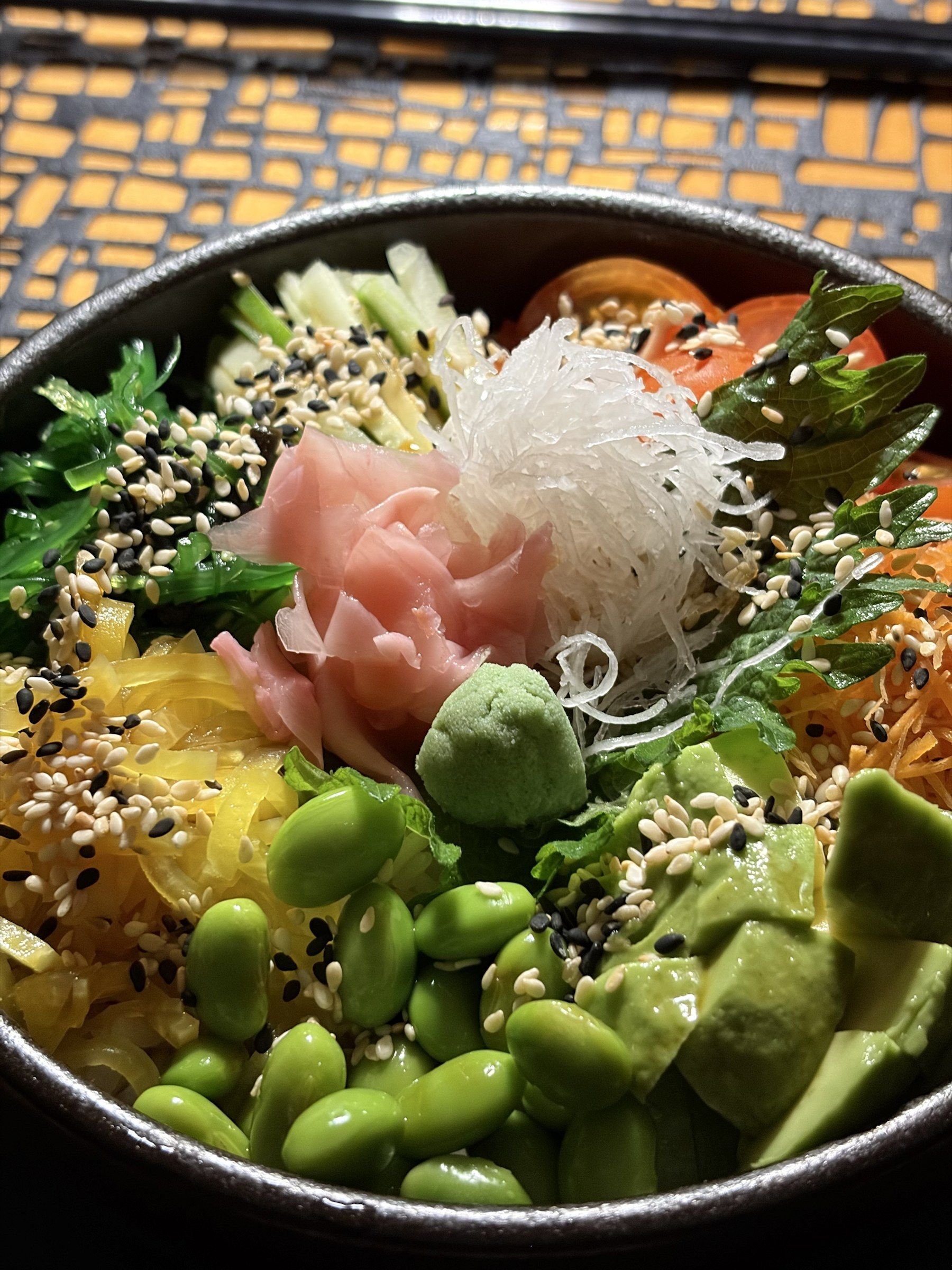
The resort's best-known restaurant is Awase, its Pan-Asian offering, and the position is the headline. The room is built out over the mangroves, with the kind of decor and proportions that you don't usually see outside of Hong Kong or Tokyo. We ordered bluefin tuna, wagyu rice, torched nigiri, shrimp tempura and black cod. Everything landed at a level that, candidly, I had not eaten at on the island before. The cuisine was reminiscent of Hong Kong, which is high praise.
Four Seasons also has its own small private island, reached by a scheduled shuttle boat that runs hourly from the resort jetty. You book a slot, the ride across takes a few minutes and is smooth even when the lagoon is up, and you arrive on a beach with the same Four Seasons standard of food and service that you get back at the main property. We spent a long lunch there on our second day. It is the kind of detail that meaningfully separates the resort from its competitors on the island.
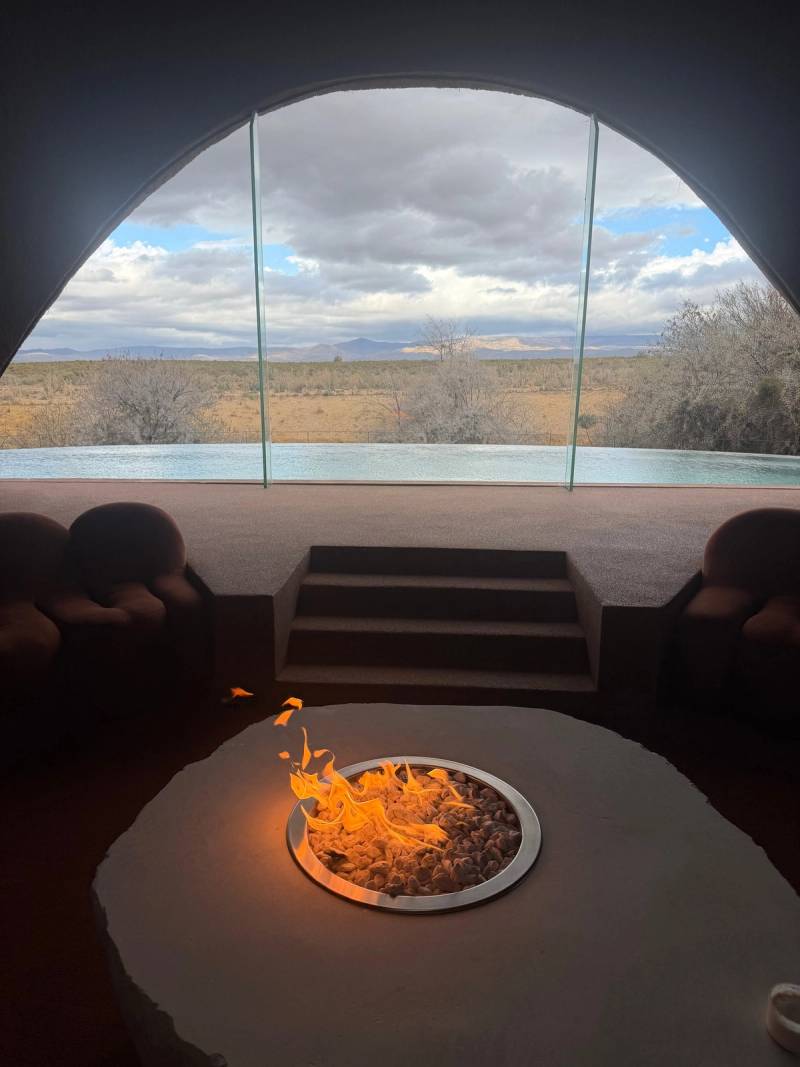
Wellness gets the same standard of attention. The gym is one of the best I have seen at any resort, with new and expansive equipment that has clearly been thought about as a serious facility rather than a token amenity. The pool is Olympic-sized with notably low chlorine and well-balanced water chemistry. There are boxing bags. The spa carries a full sauna, steam room and, importantly, the only cold plunge of the three resorts we stayed at. For travellers who care about heat-and-cold contrast as part of their routine, this is the resort that takes it seriously.
Another highlight, for me at least, was a hydrofoil lesson on the lagoon with Jett, Ric's son, who is now eighteen. It was riveting. I managed to stand for the briefest of moments before being completely outdone by Jett, who stood up on his first attempt and put together a couple of runs that lasted half a minute. One of those not-so-subtle reminders, when you are in your forties, that ageing is not fake news.
Who it's best for: foodies, wellness-led travellers, couples wanting the most contemporary of the three resort experiences.
Beachcomber Royal Palm (north coast)
From Anahita on the east coast it is an hour and fifteen by road to Royal Palm in the north.
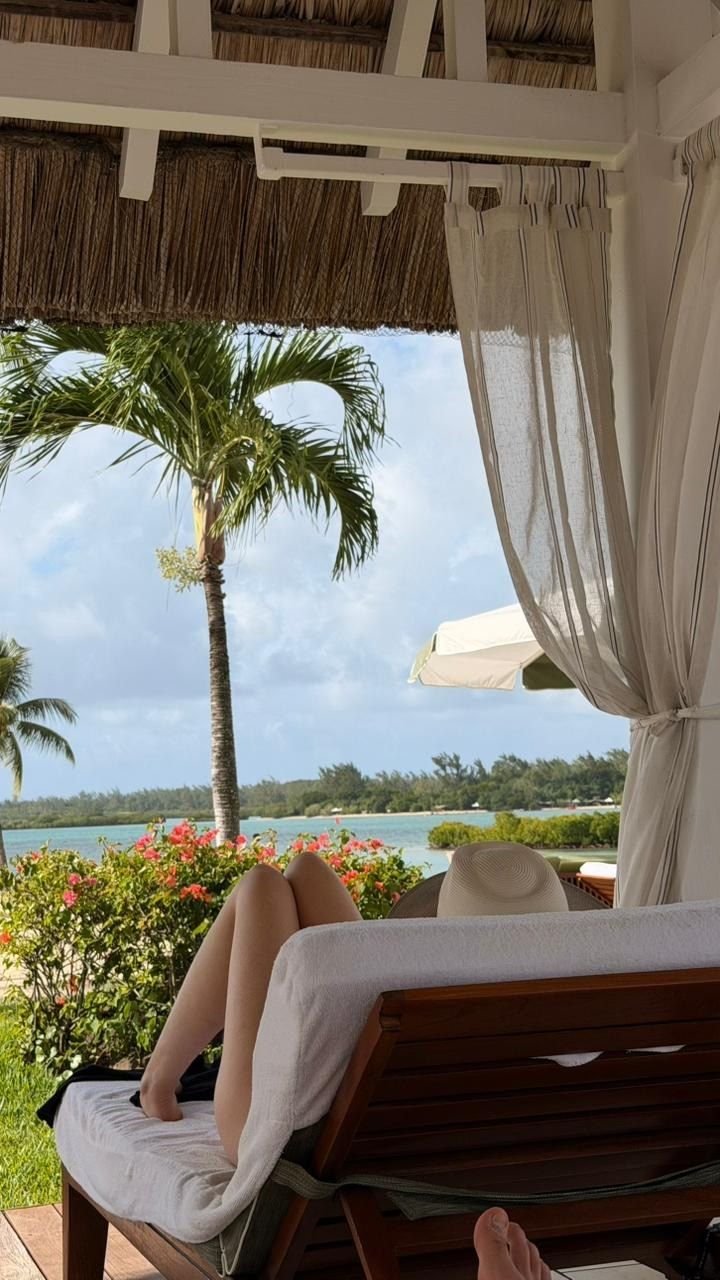
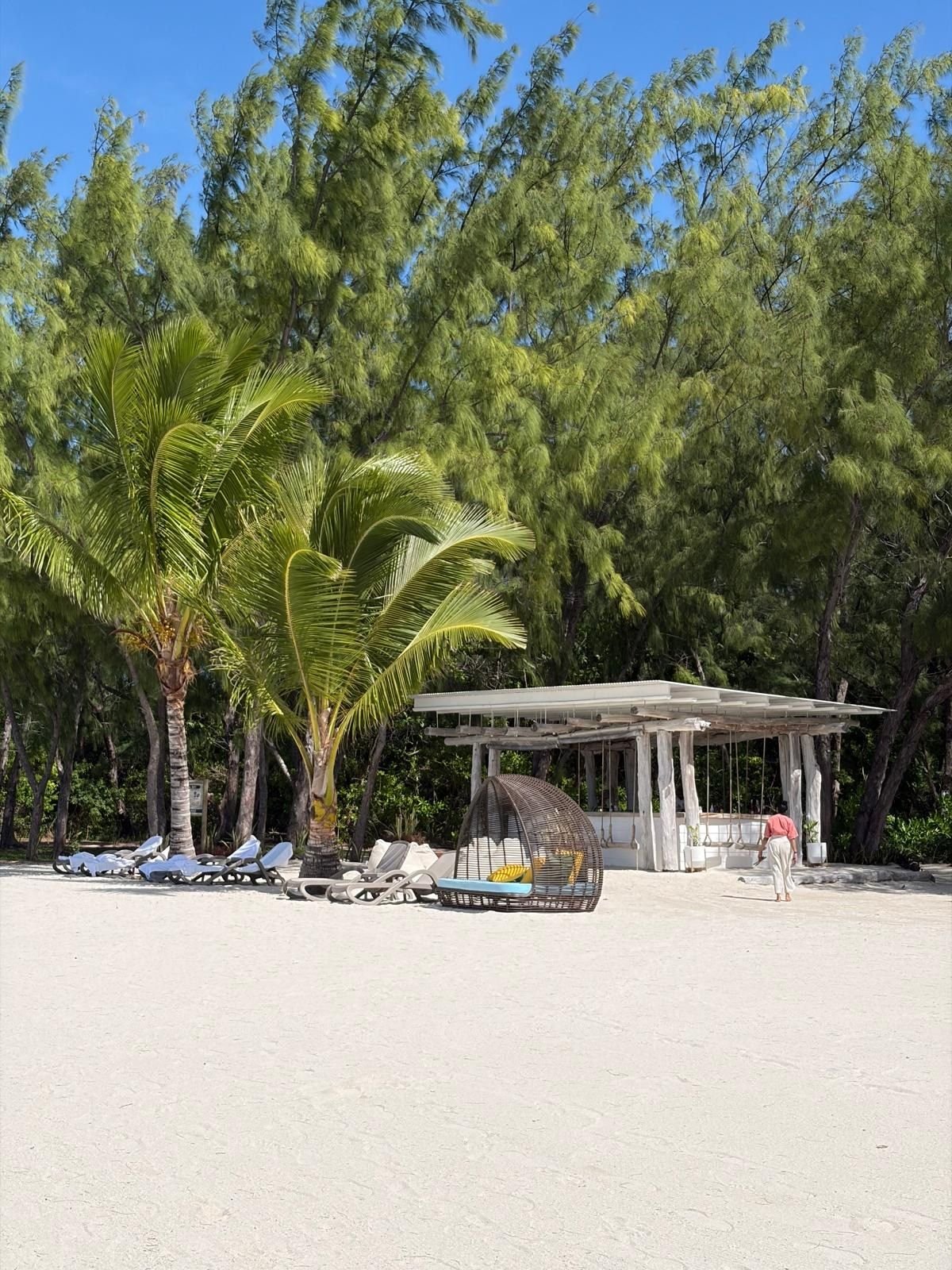
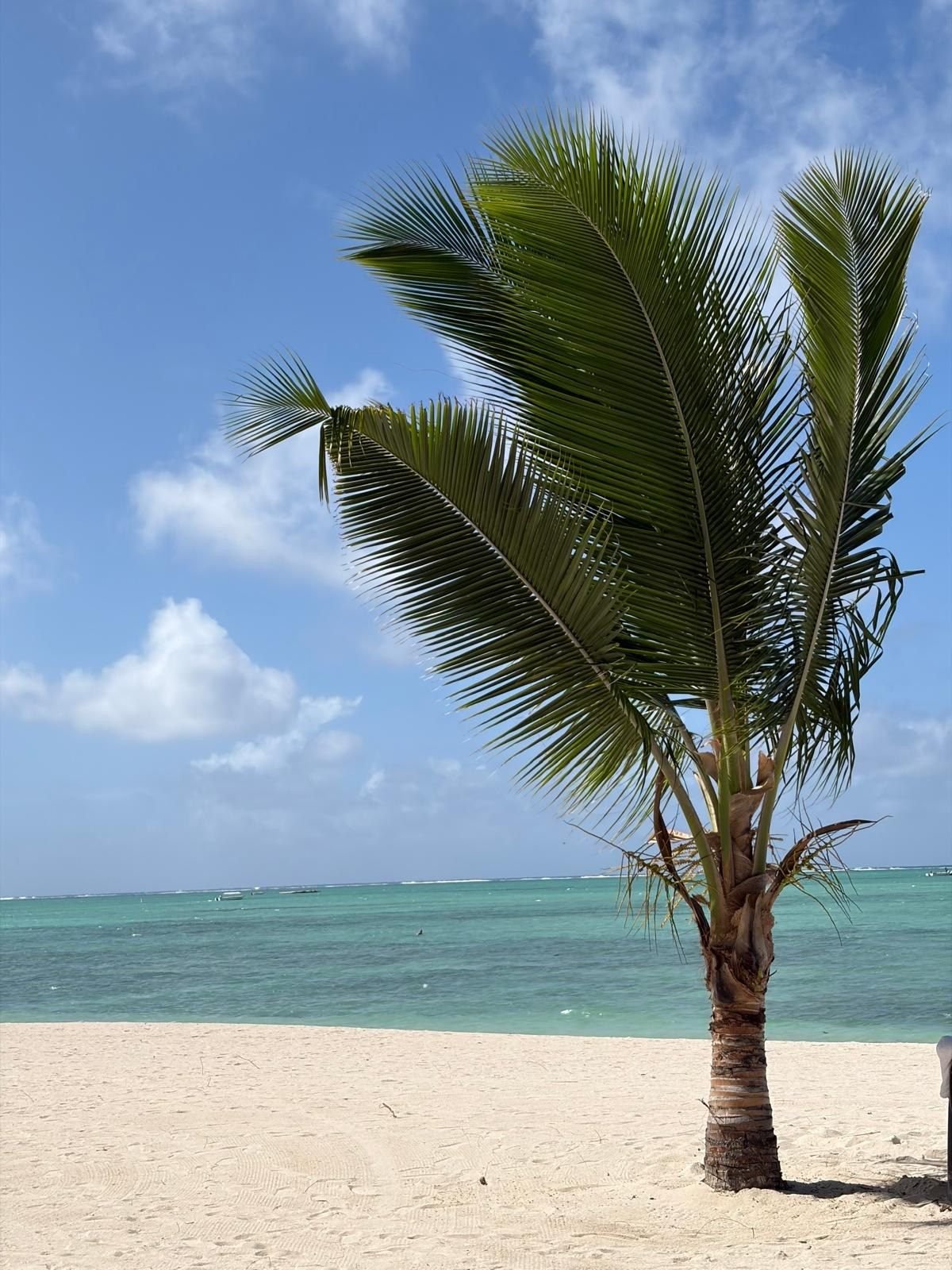
Royal Palm is one of my own repeat favourites and has been for years, which is worth disclosing up front. The reason is straightforward: it has, quite simply, the best beach position in Mauritius.
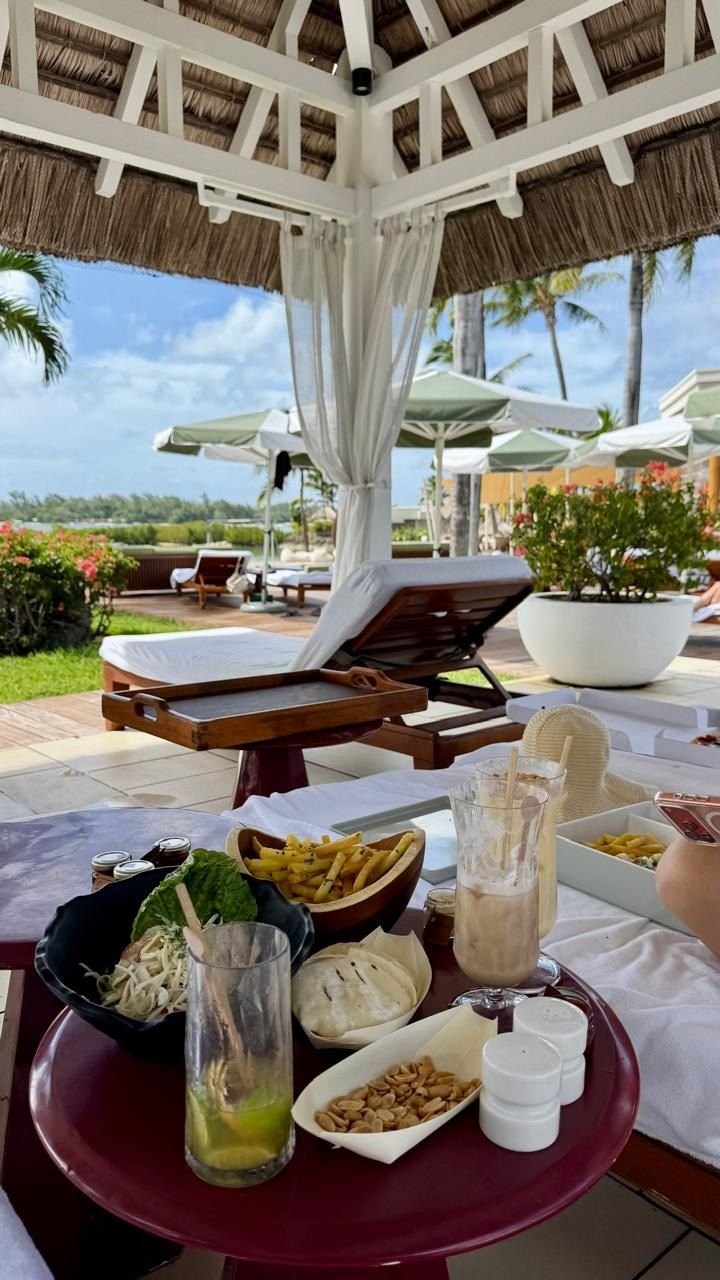
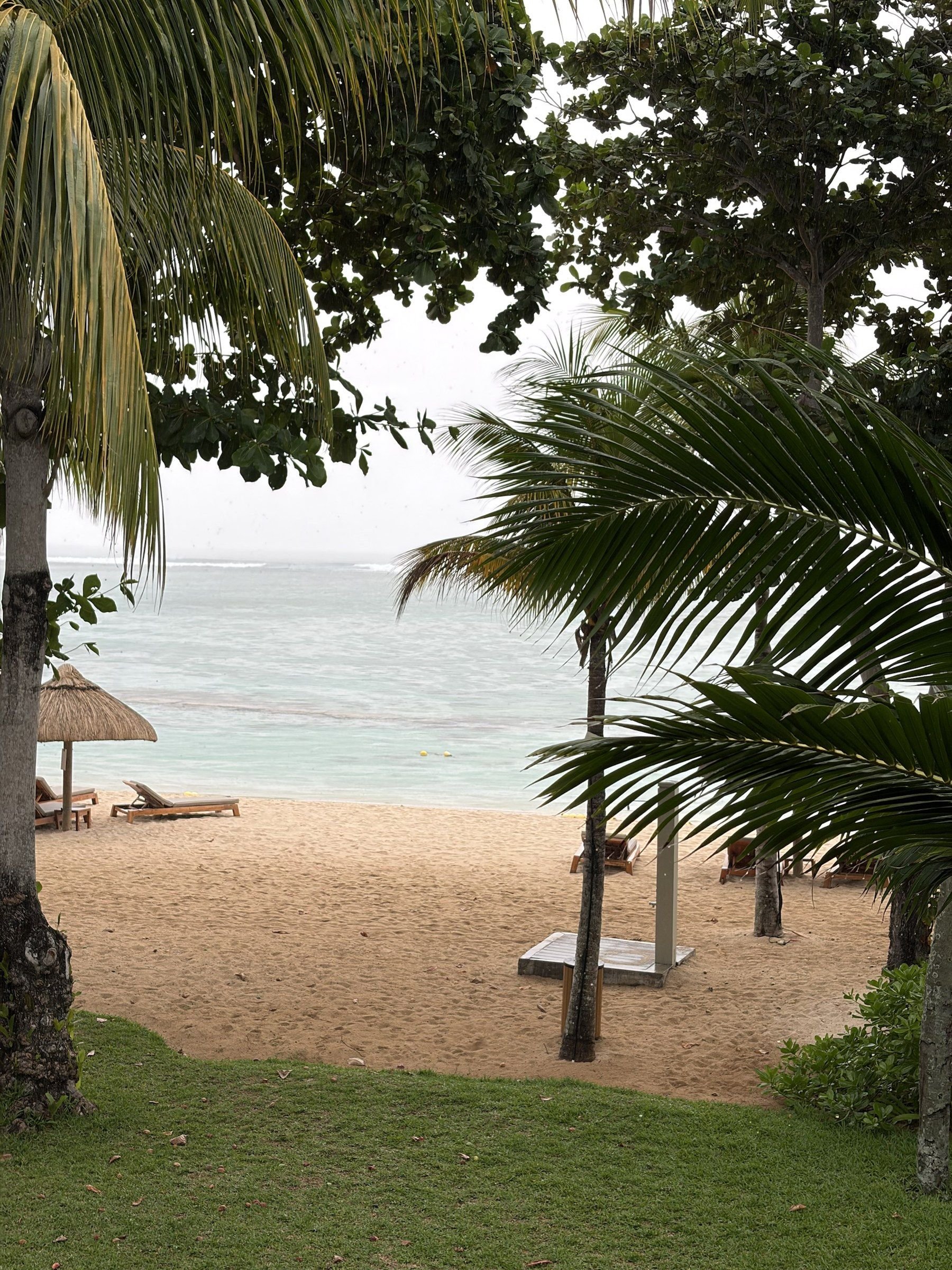
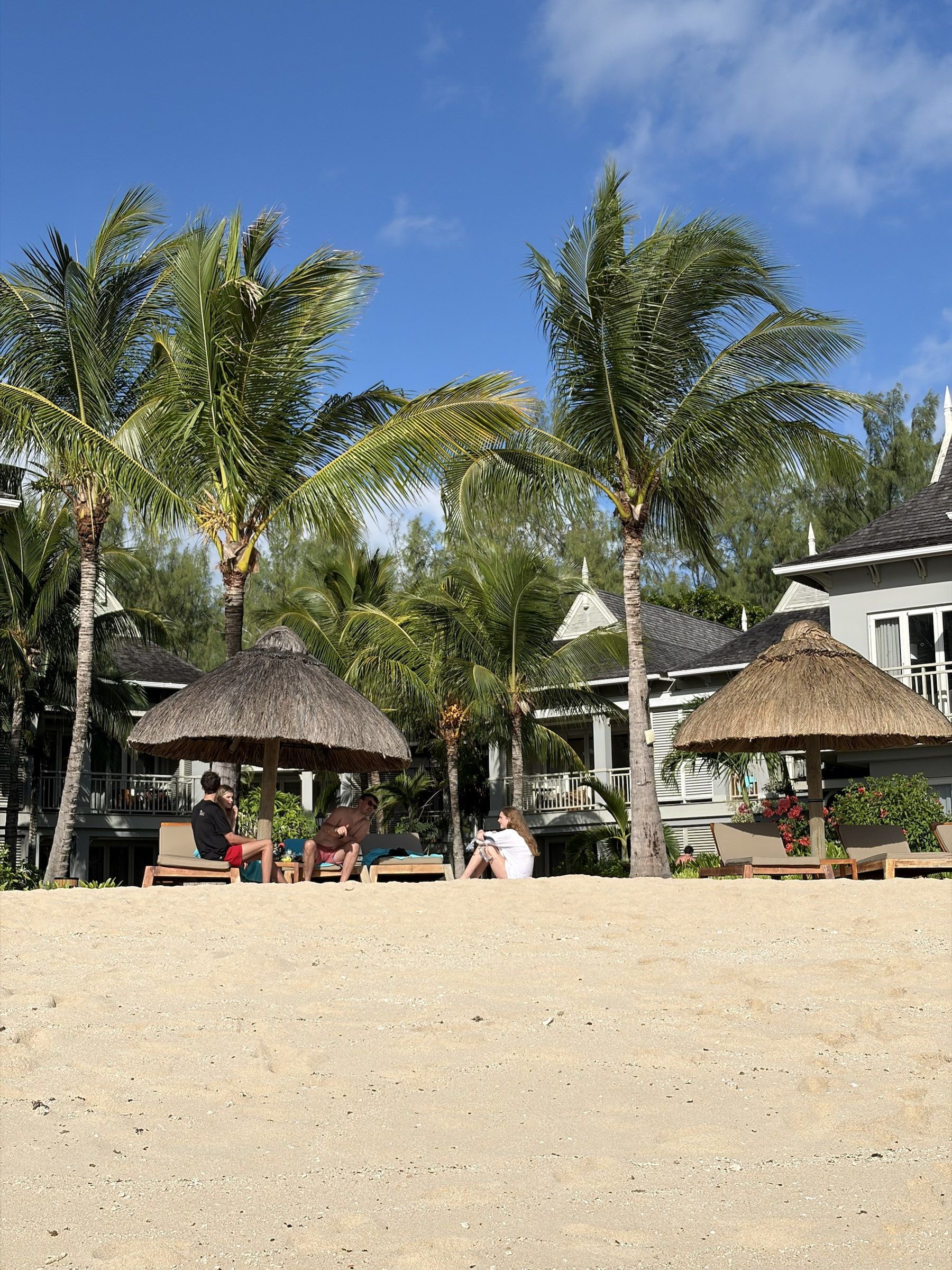
The resort occupies almost an entire bay to itself. The sand is immaculate, the water is swimmable rather than dotted with reef shoes and warning flags, and there is one small boat moored in the bay. That's it. You can walk the length of the beach in front of the property and not see another resort. This kind of frontage is genuinely rare in the north of the island, which is otherwise the most built-up coast.
Dining and pools at Royal Palm have an unfair advantage in that every one of them is positioned directly on the water. First night we ate at La Goulette, the main restaurant, and the second night at the Asian. Both share the same trick: tables close enough to the water that the soundtrack is waves on the sand rather than other diners. On one evening a live classical ensemble played out on the lawn that meets the sand and then the ocean, drifting up through the open villa windows. It is hard to overstate how much these details elevate a stay.
The other thing to know about Royal Palm is the footprint. The property runs to fewer than seventy rooms, which by Mauritius standards is small. The practical effect is on the service: guests are on first-name terms with staff inside two days, and at every touch point the people you deal with are visibly invested in getting it right. It is the rarest kind of luxury, where the operating model and the staff numbers actually allow the service standard the brochure implies.
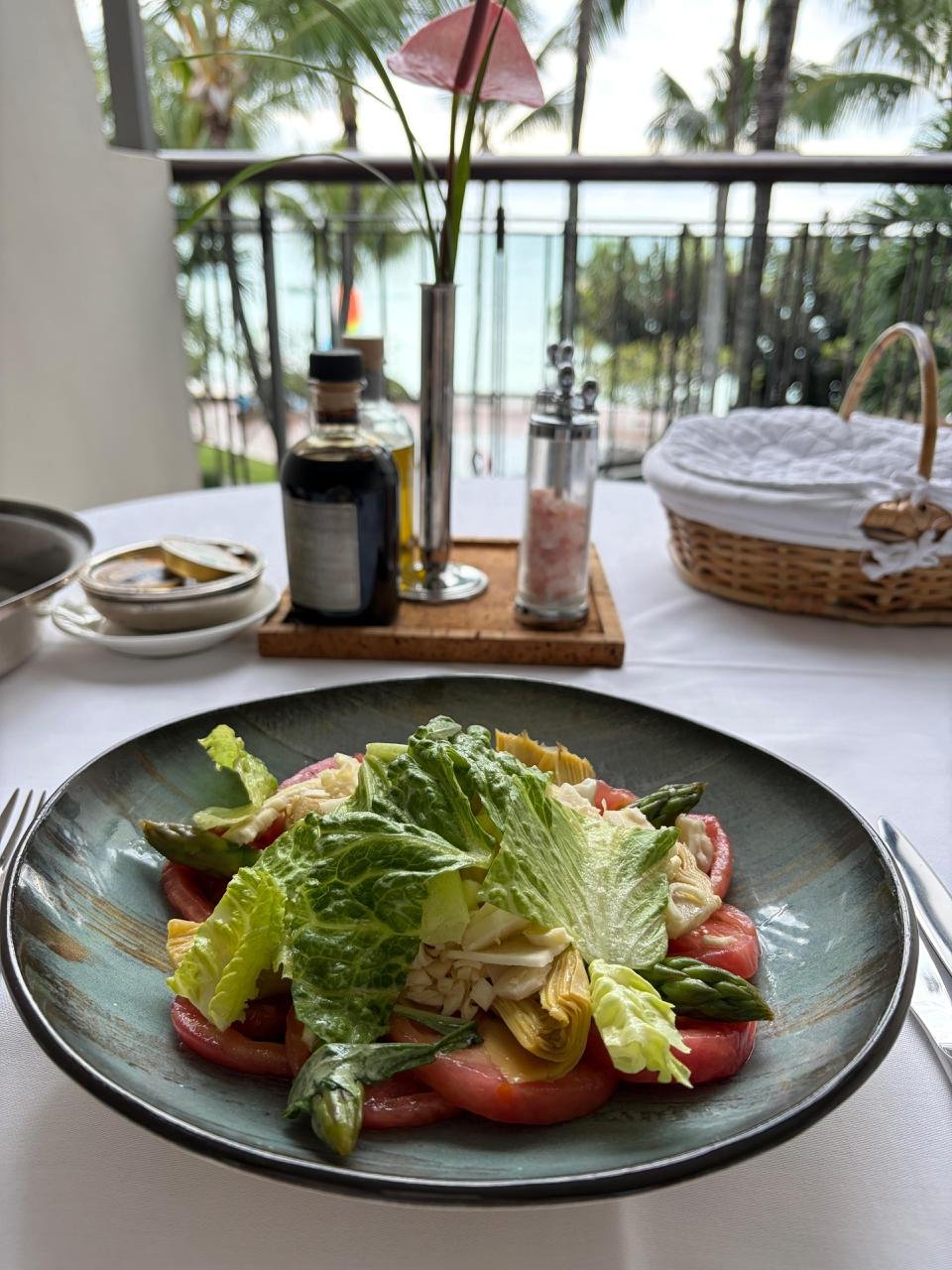
Breakfast was served in our room, on the terrace, with a table laid out properly.
On wellness, Royal Palm wins on privacy and on basics done right. You get your own dedicated wing with sauna and steam, rather than a shared facility you book into. The sauna was the cleanest of the three resorts and the only one set to the right temperature without us having to flag it. The resort pool is the cool-down. It is not chilled and is not a substitute for a cold plunge, but the water quality is unusually high, with no chlorine smell at all, and it is refreshing enough to take the edge off.
From Royal Palm we also took a day off-property to Flat Island, the small island that sits a few miles off the north coast. It is a five-minute drive from the resort to the launch point at Bain Boeuf, and then a private boat across. Lunch was a grilled lobster barbecue served on board between swims. We walked across the island to look at Governor's House, the colonial-era residence that was built in the 1850s when Flat Island served as Mauritius's quarantine station for indentured labourers, and that has since been converted into a restaurant. The 1855 lighthouse on the south-west tip sits a short way beyond.
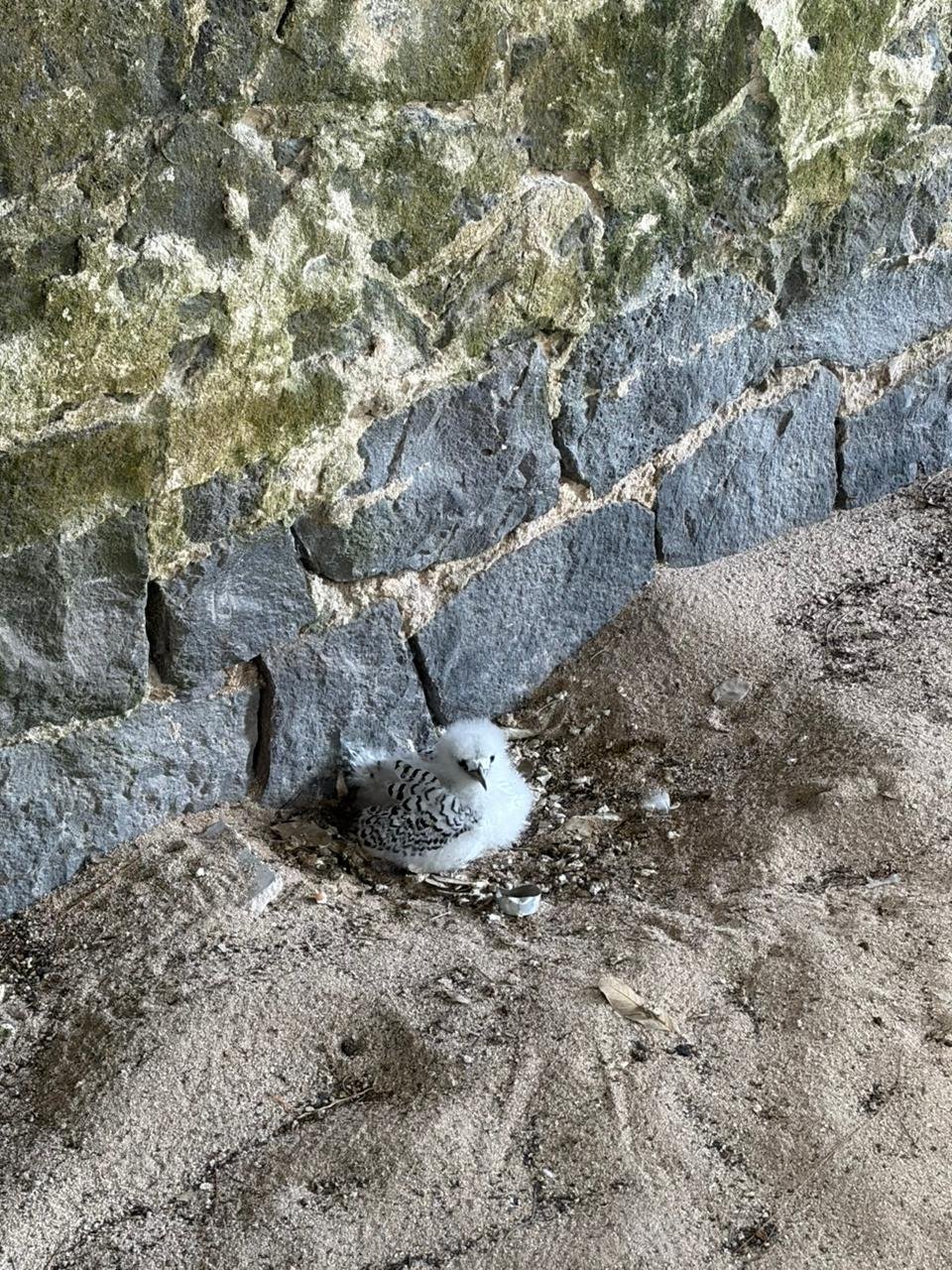
What lifted the day from interesting to memorable was the birdlife. With the island uninhabited and undisturbed, seabirds nest right out in the open along the walking paths. We came across several chicks tucked into the lee of the old stone walls, watching us at very close range. It is the kind of small, unexpected encounter that you remember more clearly than the lunch.
In the interest of honesty: parts of the resort are starting to feel a little dated relative to what newer properties on the island are doing. It is the sort of thing you notice on day one and stop noticing on day two, because the position and the service make it functionally irrelevant. If you are coming for the beach and the experience of being looked after, this is the best in Mauritius.
Who it's best for: classic beach luxury, repeat island visitors, anyone who values service and position over architectural novelty.
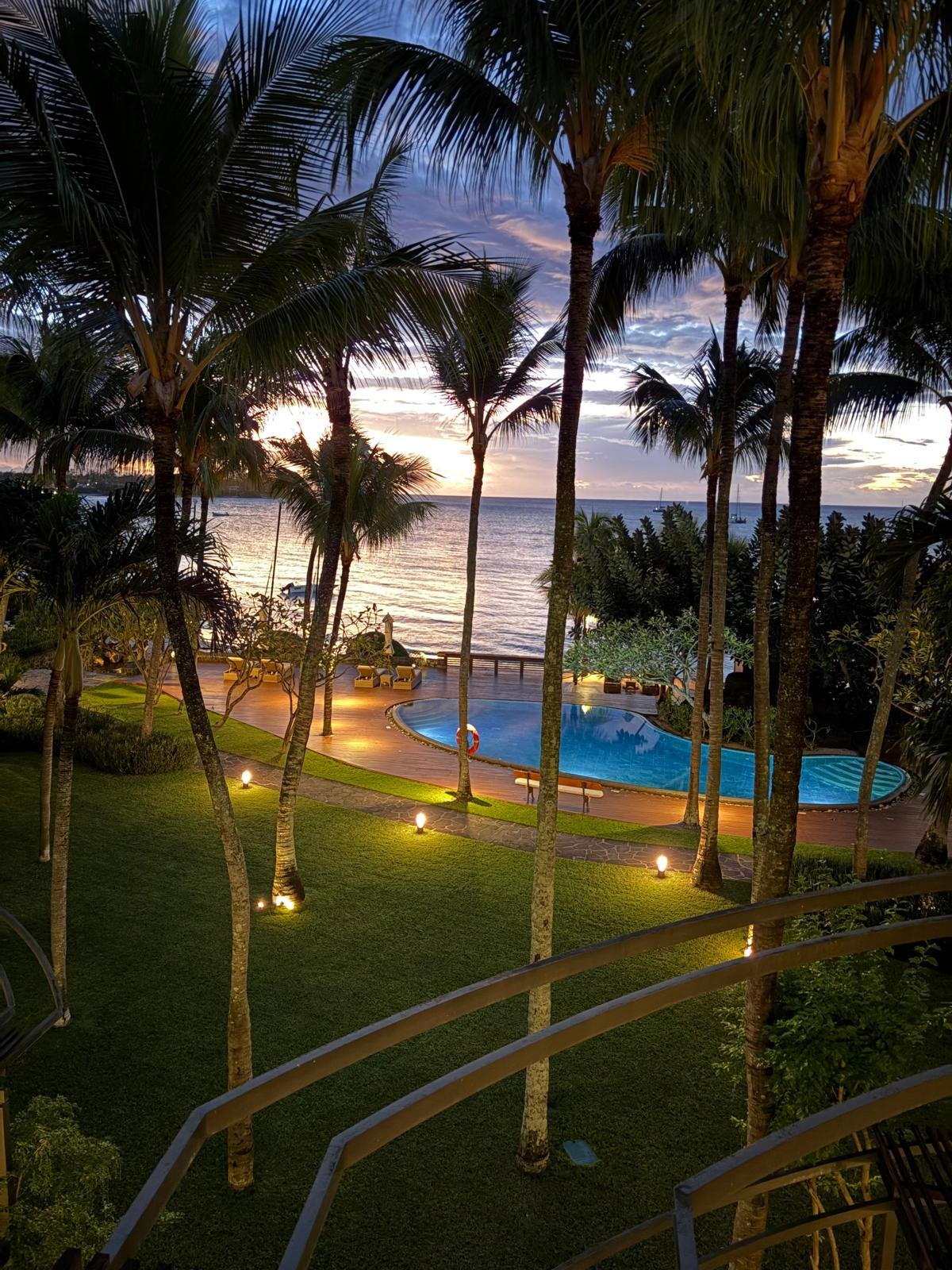
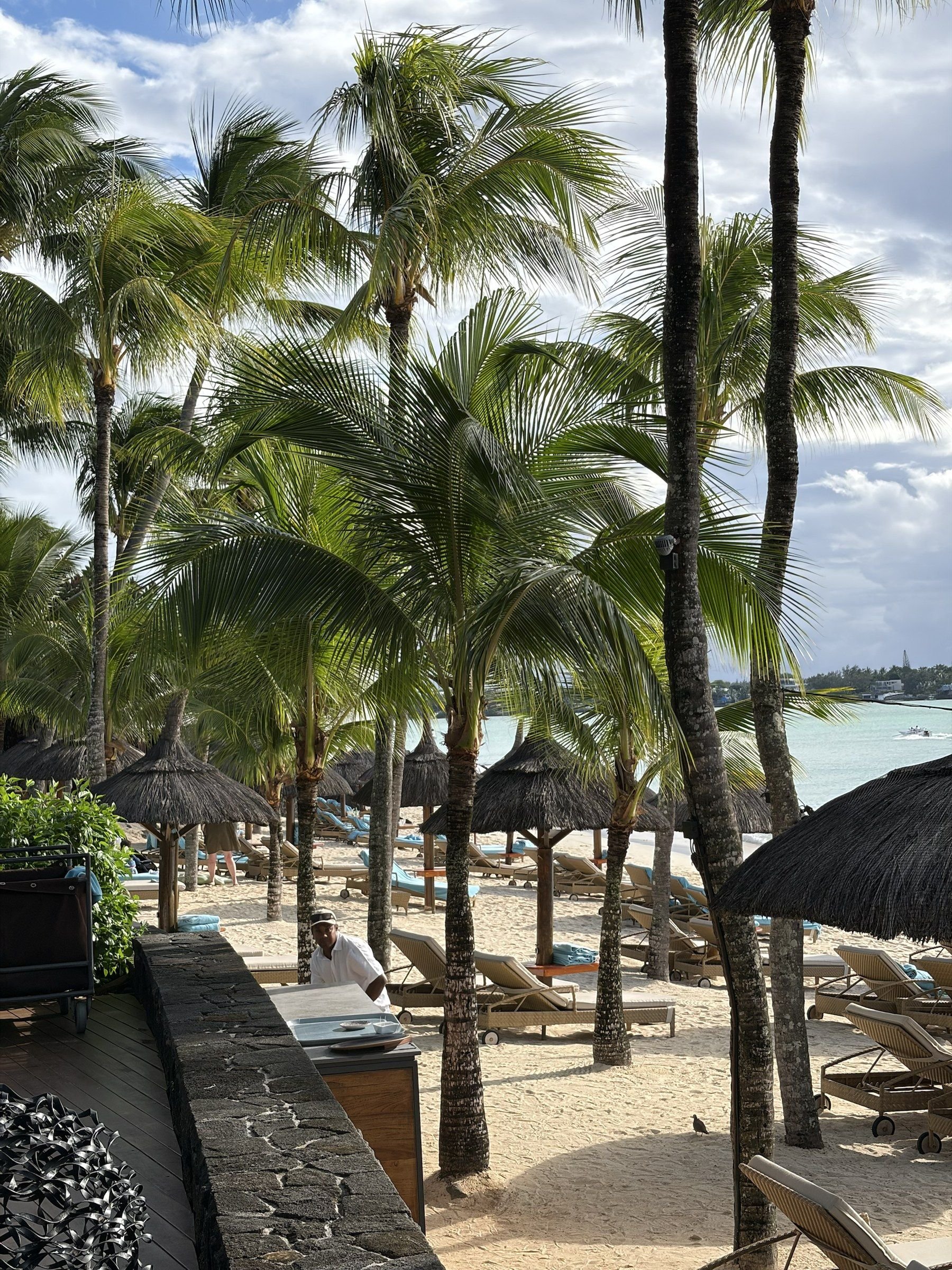
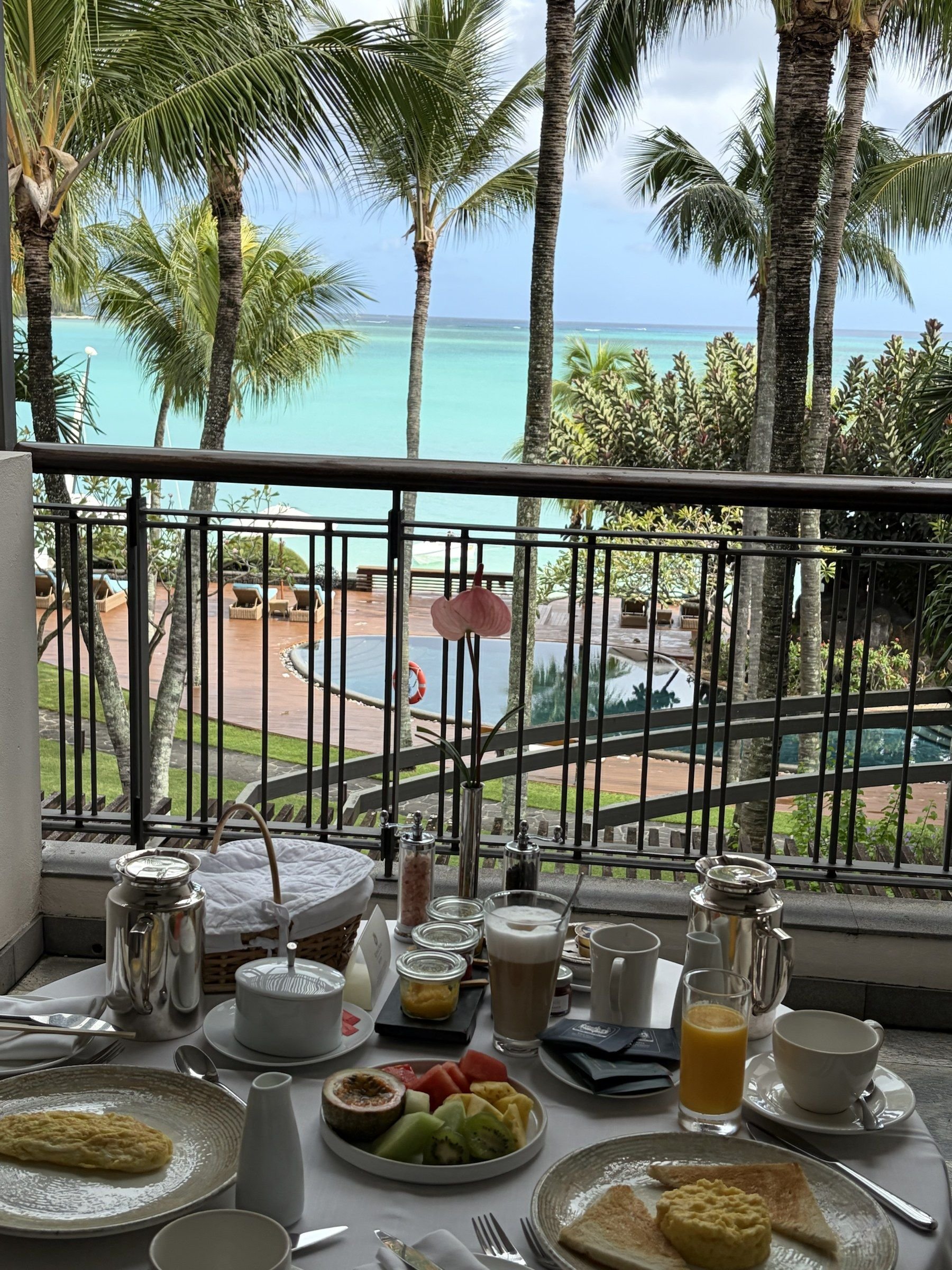
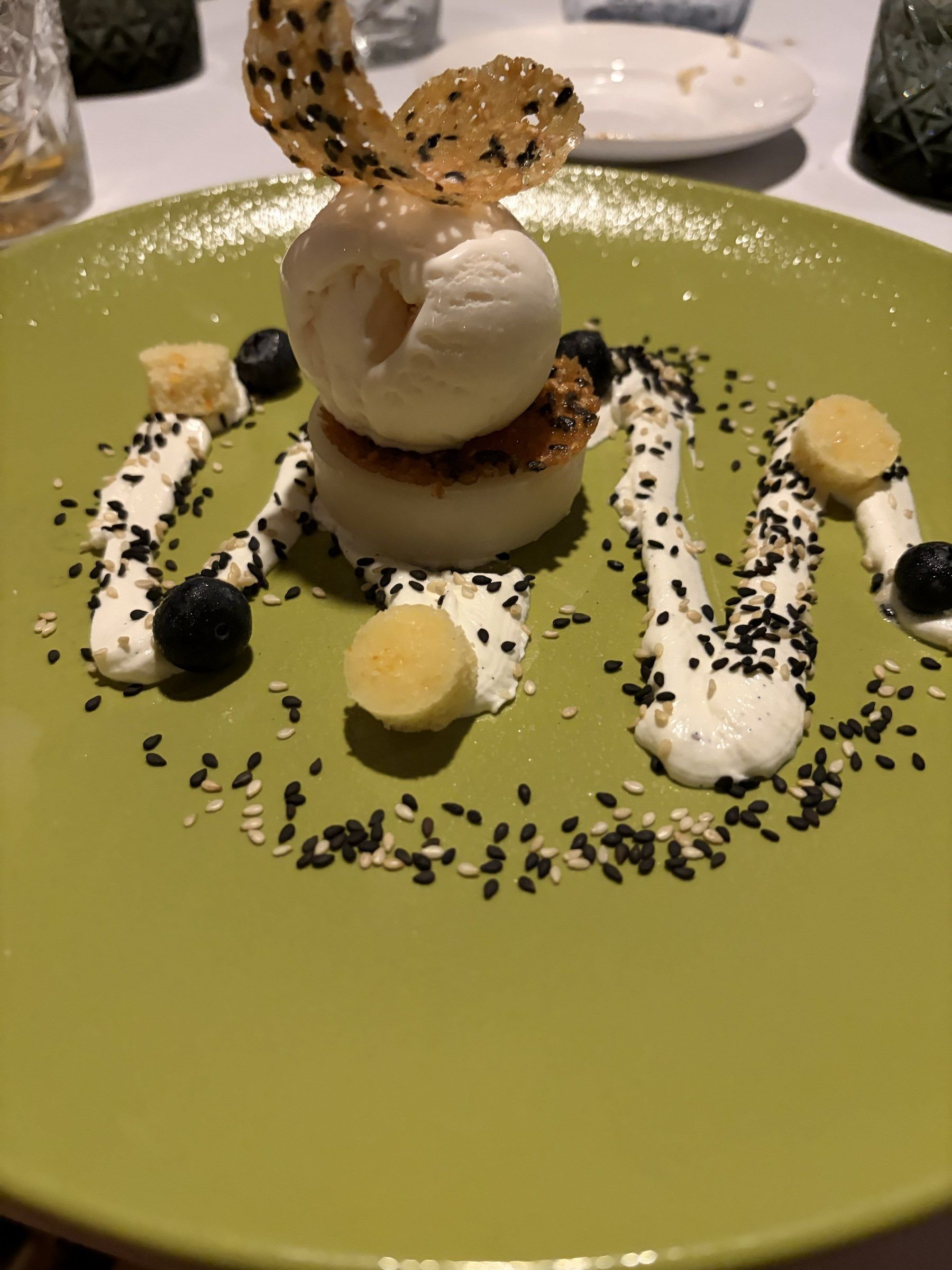
St Regis Mauritius Resort at Le Morne (west coast)
From Royal Palm in the north down to St Regis at Le Morne is an hour and forty-five, cutting south through the centre of the island and dropping onto the west coast past the Tamarin saltpans before reaching Le Morne.
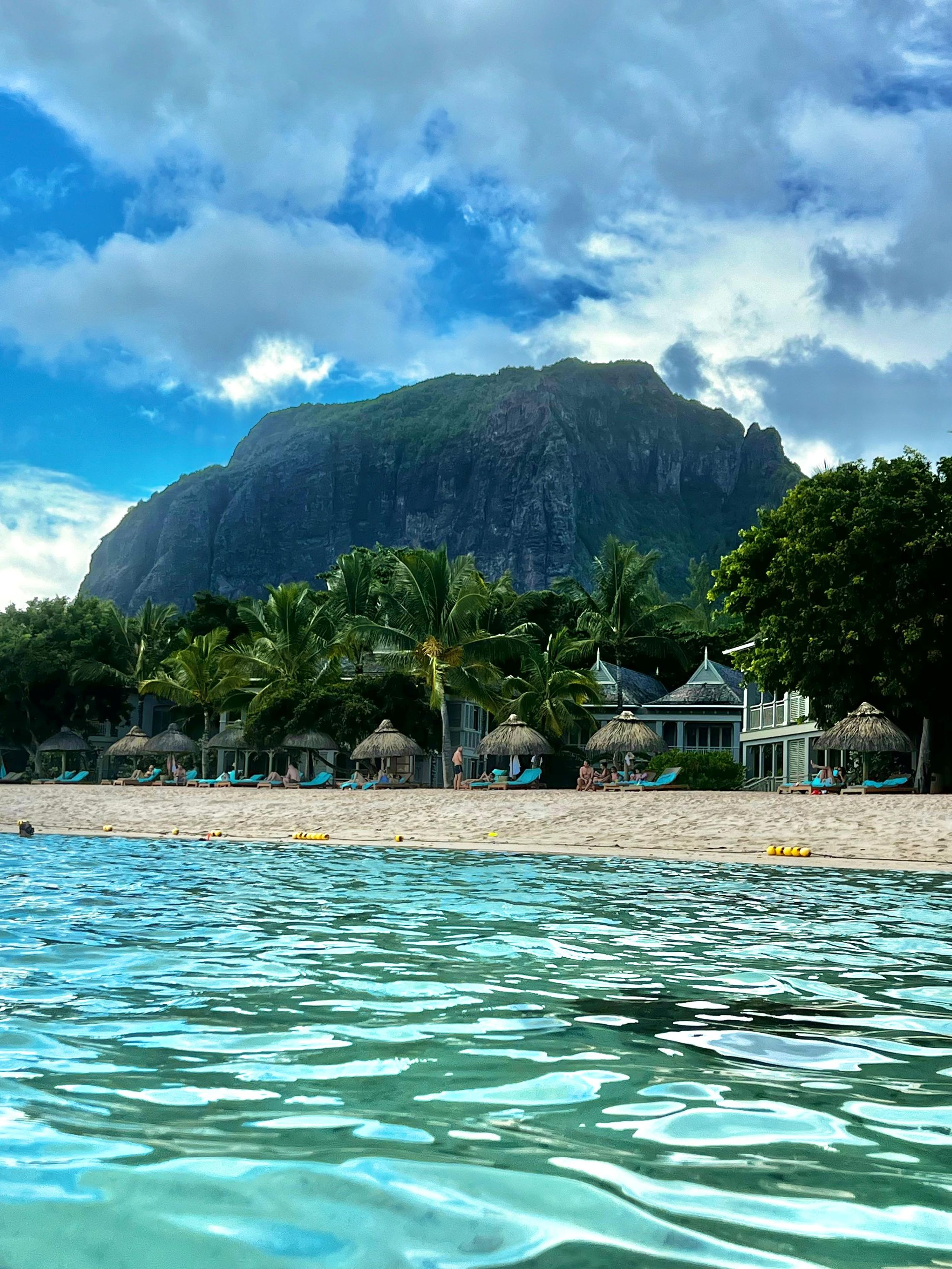
St Regis sits under Le Morne Brabant, the mountain that defines the south-west tip of the island and is the most dramatic landscape backdrop of the three locations. The west coast has placid weather and clearer skies than the rest of the island, which is the practical reason the kitesurfers congregate here.
The other distinguishing feature is the beach. It is enormous, and the resort is laid out lengthways along it rather than clustered behind a single frontage, so almost every unit has its own direct line to the sand. This kind of layout is structurally rare in Mauritius. Royal Palm has the same advantage in the north; St Regis Le Morne is its counterpart in the west.
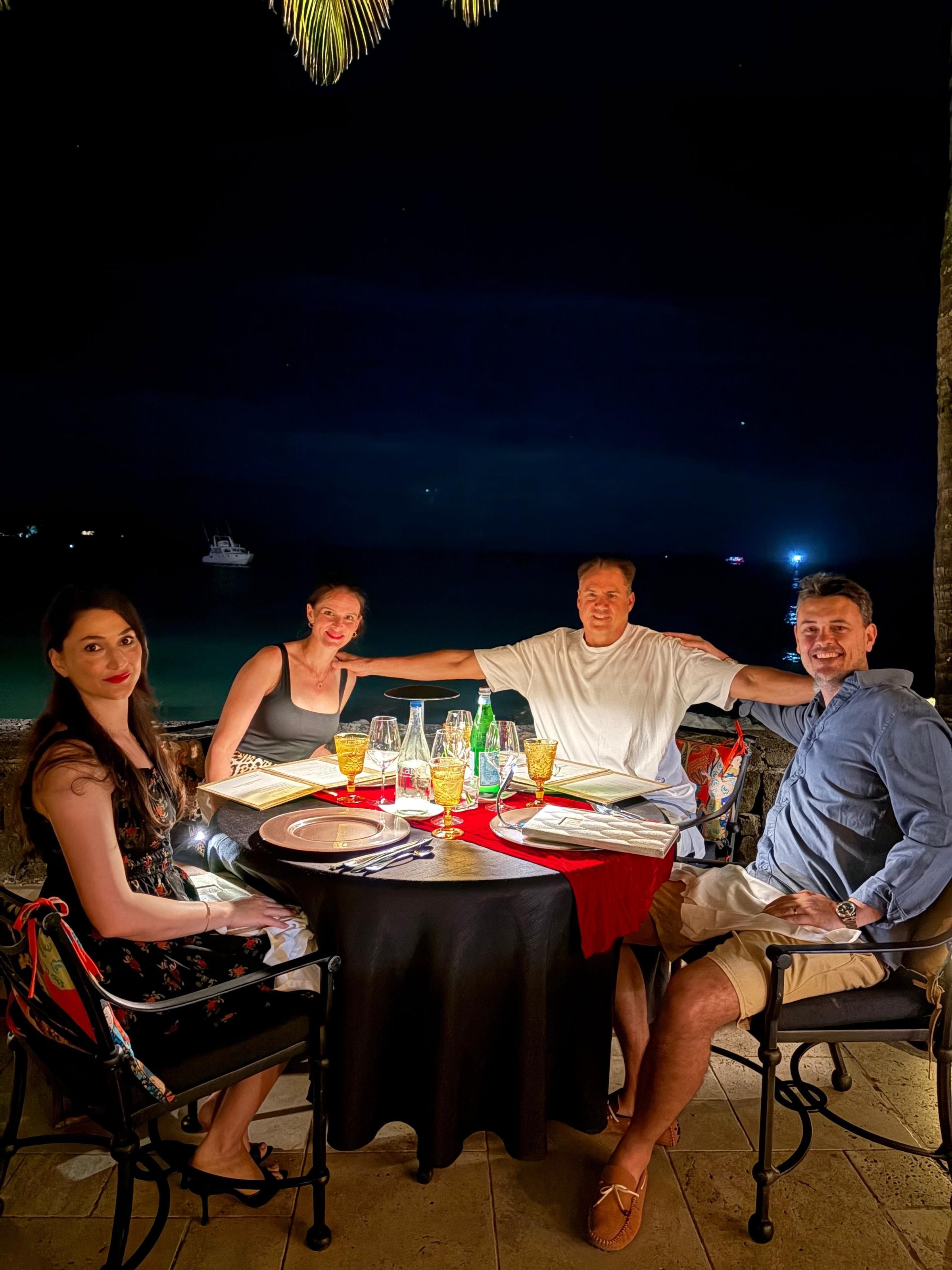
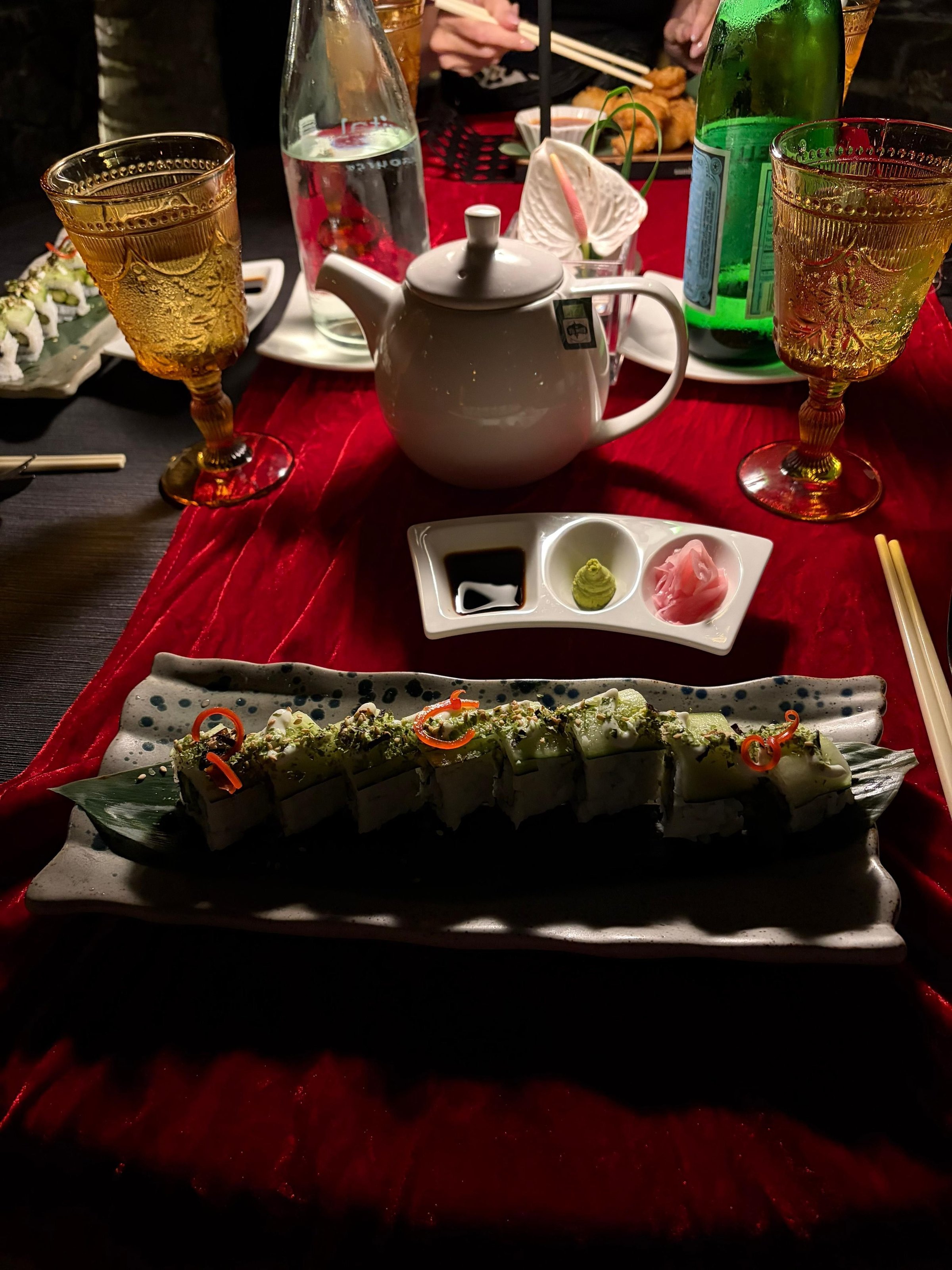
In the interest of transparency, our first night at St Regis was at Floating Market, the resort's dedicated Southeast Asian restaurant covering Thai, Malay, Vietnamese, Indonesian and Singaporean. It is billed as sitting on a koi pond (Ric has an ornate one at his home in Cape Town, so we know what one is meant to look like), which in practice turned out to be heavily chlorinated, with no fish in sight. The food itself was decent. After Awase at Four Seasons I had already begun to worry that our culinary peak was behind us, and Floating Market did nothing to disabuse me.
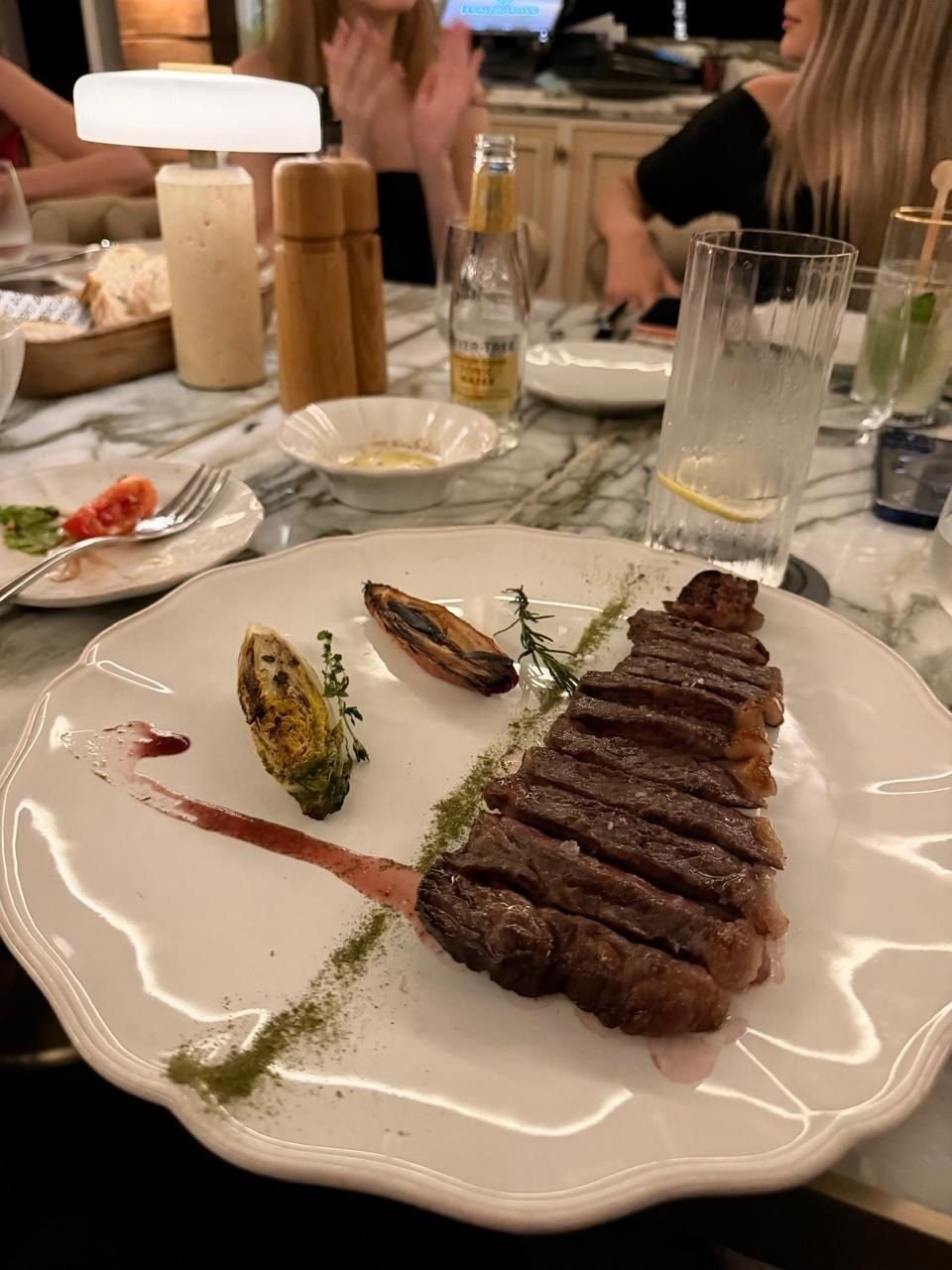
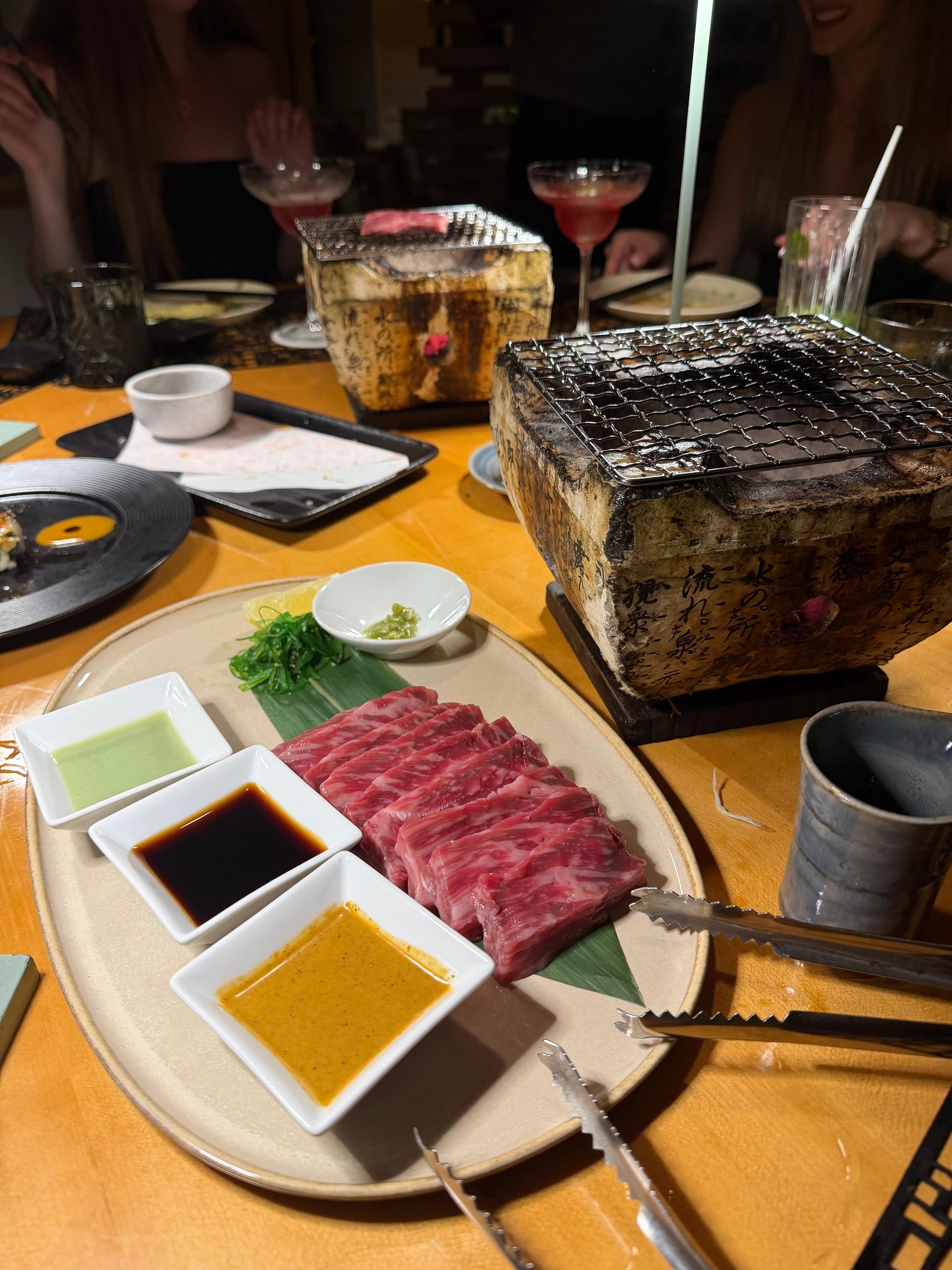
I was wrong. The restaurant highlight of the trip came on the final night, at the Japanese restaurant at St Regis. We ordered an enormous spread of small plates and tableside grills, and not one dish disappointed. The wagyu was out of this world, comparable to the wagyu we used to order in Hong Kong. The Japanese restaurant was in a league of its own. Combined with Awase at Anahita, it left us with two of the best Asian-cuisine experiences I have had anywhere in Mauritius, both in the same week.
Each villa has a butler who is reachable on WhatsApp. The responsiveness varied, but we were able to book tennis, snorkelling and several spa visits without friction. The tennis was a highlight in its own right: a fast game with Ric's son on an immaculate court with Le Morne Brabant rising behind the baseline. The Mauritian heat and humidity should not be underestimated, particularly under exertion, and we needed the water breaks.
The sensory texture of the stay is what stays with you. The waves on this coast hit lower and heavier than they do on the east or north, and from the balcony you hear them as a low thunder in the distance rather than as a closer lap. The sky is constantly full of water planes and helicopters during the day. At night, large fruit bats can be heard fumbling in the trees as they feed, a reminder that the island has almost no native predators. The combined effect, sitting on a balcony with no one around, is unusually introspective.
In the interest of honesty again: the wellness side is the area where St Regis is lagging the other two. The facilities themselves are not bad, but the way you access them has not caught up with how contemporary health and fitness works. The booking flow goes through your butler on WhatsApp, who books a slot at the spa, who hands you to a reception, who hands you to a staff member who then walks you to the facility itself. By the time you arrive at the sauna you have spoken to four people about a sweat. There is also a lot of unused space across the wellness footprint, with a sense that the facility was designed for a different era of luxury travel.
The temperature setup matched the formality issue. On our first sauna session the heat was set under the threshold for proper heat therapy, around 70°C with the humidity too low. Another couple added water trying to compensate, which wet the room without raising the temperature. By the second day this had been corrected.
Who it's best for: travellers who want dramatic landscape, fine dining, and a more introspective pace than the other two.
How they compare, at a glance
A note on calibration before the list: all three of these resorts sit at the top end of what the island offers, and on every category below the loser is still excellent in absolute terms. We are comparing the best against the best.
- Best beach: Beachcomber Royal Palm
- Best food: Four Seasons (Awase) and St Regis (Japanese), tied
- Best gym and equipment: Four Seasons
- Best sauna and privacy: Beachcomber Royal Palm
- Best cold-plunge option: Four Seasons (the only one)
- Best service: Beachcomber Royal Palm
- Most introspective stay: St Regis Le Morne
- Best newer-resort feel: Four Seasons
- Best classic-luxury feel: Beachcomber Royal Palm
- Best dramatic landscape: St Regis Le Morne
There is no overall winner. Each resort is the best at something, and the right choice depends on what the trip is for. Couples on a first Mauritius trip with food and wellness as the priority should look at Four Seasons. Repeat visitors, beach-led travellers, and anyone who values a private spa wing should look at Royal Palm. Travellers wanting drama, fine dining, and a slower week should look at St Regis.
Pairing Mauritius with a South Africa safari
The format that works best, in our experience: four nights on safari, followed by seven in Mauritius. Four nights is enough for proper morning-and-afternoon game drives, with time at the lodge in between, and the body is ready for the beach by then. If you are folding in Cape Town or Victoria Falls on the same trip, the safari leg can extend to seven or ten nights without diminishing returns; without those add-ons, four is the sweet spot.
Practically, this means flying into Johannesburg, connecting to a safari lodge in the Greater Kruger or the Sabi Sand, doing the safari leg, then flying back through Johannesburg to Mauritius. The MRU connection from JNB runs multiple times a day and takes just under four hours.
For Australian travellers, the equivalent shape is Perth or Sydney into Mauritius (direct or via Perth), a few days to recalibrate after the long-haul leg, then onward to Johannesburg for the safari, with Mauritius again on the return for a final decompression week before flying home.
Most of our guests opt for safari first and Mauritius after, because after ten days of pre-dawn starts the body tends to want somewhere quiet and warm before the long flight home. That said, the JNB to MRU hop is short enough that the reverse can also work, particularly for travellers who want a few days to recalibrate from a long-haul leg before heading into the bush.
Plan your Mauritius and safari trip
Our safari specialists know all three of these resorts and the wider Mauritius market well, and we plan combined Mauritius-and-safari itineraries year-round. If you want to discuss which of the three suits the trip you have in mind, or how to combine Mauritius with a South Africa safari, get in touch and we'll put options together.
Written by Oliver