
Tanzania · Safari destination
Zanzibar
Safari dust to ocean breeze in an afternoon.
A tropical spice island off the Tanzanian coast, where white-sand beaches, Stone Town's winding alleys and world-class diving create the perfect safari extension.

Zanzibar
The spice island finish
The classic East African trip ends here: a light aircraft out of the Serengeti, and by mid-afternoon you are barefoot on a powder beach with a dhow on the horizon. Stone Town's alleys, carved doors and spice markets carry a thousand years of Swahili trading history; the north and east coasts answer with some of the Indian Ocean's best beaches.
- How do I combine Zanzibar with a safari?
- Daily flights link Arusha, the Serengeti airstrips and Nairobi to Zanzibar, so the island slots straight onto the end of a Tanzanian or Kenyan itinerary. Four or five nights after a week on safari is the classic shape, with a Stone Town night at the start or finish.
- When is the best time to visit Zanzibar?
- June to October is dry, warm and reliably beautiful, matching the safari high season perfectly. December to February is hotter and bright. The long rains of April and May are worth avoiding.
- Which coast should I choose?
- The north around Nungwi and Kendwa swims at all tides and takes the sunsets. The east coast has the postcard reef lagoon, with swimming that follows the tide and quieter, longer beaches. Couples wanting all-day water lean north; barefoot-luxury seekers and kitesurfers lean east.
- Is Zanzibar family-friendly?
- Very. Calm water in the north, resorts from casual to full-service across the island, short transfers from the airport and no game-drive wake-ups. It is the easiest week of an East African family trip.
- Zanzibar or Mauritius for the beach leg?
- Zanzibar for character, Swahili history and proximity after an East African safari; Mauritius for polished resort infrastructure and direct long-haul connections after Southern Africa. Both do barefoot luxury well; the right answer usually follows which safari you are pairing it with.
- Do I need a visa, and is malaria a risk?
- Zanzibar is part of Tanzania, so the same visa applies, obtainable online before travel or on arrival. Malaria risk on the coast is lower than on the mainland circuit but not zero; travel clinics generally advise cover, and your safari specialist flags what applies to your trip.
Tailor-made safaris
Safaris in Zanzibar.

Most requested · 7 days · Zanzibar · Kenya · Tanzania
7-Day All-Inclusive Masai Mara to Zanzibar Safari
All meals · Most activities · All flights & transfers
- 3 nights at Governors' Camp on the Masai Mara, then 3 at Nungwi Dreams in Zanzibar
- Twice-daily game drives and guided bush walks in the Masai Mara
- Big cat and plains game viewing from open Landcruisers
- Swim with green turtles at a community conservation lagoon in Nungwi
From
$4,060
per person, complete package
≈ $8,125 for two · international flights excluded

Most requested · 10 days · South Africa · Zanzibar
10-Day Safari & Beach Escape: Waterberg Mountains to Zanzibar Beach
All meals · Most activities · All flights & transfers
- 4 nights at Clifftop Exclusive Safari Hideaways in Welgevonden Game Reserve
- Twice-daily game drives and guided bush walks in the Waterberg
- 5 nights at Essque Zalu Zanzibar in a Seafront Suite
- Dhow cruise, snorkelling and a Stone Town or spice plantation visit
From
$5,185
per person, complete package
≈ $10,370 for two · international flights excluded

Most requested · 7 days · Tanzania · Zanzibar
7-Day West and East Ultra-Lux Zanzibar Fly-in Package
All meals · All activities · All flights & transfers
- 3 nights at Sea Cliff Resort & Spa with Indian Ocean views
- Stone Town, spice plantation and Prison Island tour
- 3 nights at The Melia Zanzibar in an Ocean View Bungalow
- Full-day Safari Blue dhow sailing and snorkelling excursion
From
$2,720
per person, complete package
≈ $5,445 for two · international flights excluded

10 days · Tanzania · Zanzibar
10 Day Bush and Beach Safari
Most meals · Most activities · All flights & transfers
- 2 nights at Mount Meru Hotel in Arusha bookending the safari
- Game drive in Lake Manyara, home to tree-climbing lions
- 2 nights at Serengeti Kati Kati Tented Camp with full-day Central Serengeti drives
- Descend 600 metres into the Ngorongoro Crater for Big Five viewing
From
$5,340
per person, complete package
≈ $10,680 for two · international flights excluded

15 days · Botswana · Zimbabwe · Zanzibar
15-Day Safari Adventure: Botswana, Victoria Falls & Zanzibar
Most meals · Most activities · All flights & transfers
- 4 nights at Belmond Mount Nelson with Table Mountain and Cape Peninsula sightseeing
- 2 nights at Belmond Savute Elephant Lodge tracking large elephant herds and predators
- 2 nights at Belmond Eagle Island Lodge with mokoro and boat safaris in the Okavango
- 3 nights at Victoria Falls River Lodge with guided tour of the Falls and Zambezi cruises
Special offer available
From
$13,490 normally $13,945
per person, complete package
≈ $26,985 for two · international flights excluded

4 days · Zanzibar · Tanzania
4-Day Exclusive Fly-In Zanzibar Beach Safari
All meals · All activities · All flights & transfers
- 3 nights at andBeyond Mnemba Island Lodge off Zanzibar's north-east coast
- Two PADI dives daily on Mnemba's coral reefs
- Sundowner dhow cruise with refreshments
- All meals, house wines, local spirits and beers included
From
$5,970
per person, complete package
≈ $11,940 for two · international flights excluded

7 days · Kenya · Tanzania · Zanzibar
7-Day Luxury Beach Safari from Mombasa to Zanzibar
All meals · All flights & transfers
- 3 nights at Serena Beach Resort & Spa on the Mombasa coast
- 3 nights at Royal Zanzibar Beach Resort on white-sand beaches
- Optional snorkelling, spa treatments and water sports at both resorts
- Cultural visits to Mombasa's Old Town, Fort Jesus and Zanzibar's Stone Town
From
$2,495
per person, complete package
≈ $4,990 for two · international flights excluded

7 days · Tanzania · Zanzibar
7-Day Luxury Zanzibar East Fly-In Beach Safari
All meals · All activities · All flights & transfers
- 3 nights at LUX Marijani Beach Resort, then 3 at TUI Blue Bahari Zanzibar
- All-inclusive meals and selected drinks throughout both resorts
- City, Spice and Prison Island tour through Stone Town
- Full-day Safari Blue dhow trip with snorkelling and seafood barbecue
From
$3,415
per person, complete package
≈ $6,830 for two · international flights excluded
No safaris matching these criteria.
Try adjusting the filters above to see more safaris.
Brochure
Indian Ocean Islands Guide
Four ready-made bush-and-beach journeys, each pairing a safari with the island that balances it. Safari first, sea to finish.
Where to stay
Lodges in Zanzibar.
14 lodges
-
 Affordable Live availability
Breezes Beach Club and Spa
Breezes Beach Club and Spa is a luxurious beachfront resort located on the beautiful island of Zanzibar, off the coast of Tanzania. This exquisite retreat offers guests an idyllic tropical escape with its pristine sandy beaches, turquoise waters, and lush gardens. With a focus on relaxation and rejuvenation, Breezes Beach Club and Spa provide a tranquil oasis for travellers looking to unwind and enjoy the natural beauty of Zanzibar while indulging in top-notch amenities and warm hospitality.
From $235 per person · night
-
 Premium Live availability
The Palms Zanzibar
The Palms Zanzibar offers an exclusive and intimate experience with just seven villas, making it the ideal destination for a romantic and personalized getaway. Nestled amidst this sanctuary, guests will discover a haven of tranquillity, where the senses come alive, and the very essence of Zanzibar can be savoured. This enchanting island, where the harmonious blend of Arab, African, and European influences has given rise to a unique way of life, a delectable culinary tradition, and a vibrant mosaic of architecture, heritage, folklore, and enchantment, remains unparalleled anywhere else in the world.
From $640 per person · night
-
 Premium
The Residence Zanzibar
The Residence Zanzibar is a luxury beachfront resort and offers an exquisite and tranquil escape, with elegant villas, beautiful gardens, and a stunning beachfront setting.
From $575 per person · night
-
The Melia Zanzibar
Nestled in the picturesque landscapes of Zanzibar, the Melia Hotel offers a tropical paradise with its sandy white beaches, coral reefs, and crystal blue waters. Elevating the vacation experience, it provides personalized services curated to guests' needs. With an array of food and beverage outlets, guests can explore and indulge in culinary delights. Additionally, the hotel offers a well-being space inspired by African techniques and traditions, ensuring a holistic retreat for mind and body.
-
 Ultra Live availability
AndBeyond Mnemba Island
Exclusive yet unpretentious, andBeyond Mnemba Island is an award-winning private beach paradise just off the northeast coast of Zanzibar, and is an ideal location for relaxation after an exhilarating safari experience in the Masai Mara.
From $1,720 per person · night · normally $2,150
Special offer available
-
 Lux Live availability
Baraza Resort and Spa
Baraza Resort and Spa is a luxurious beachfront retreat located on the island of Zanzibar, off the coast of Tanzania. This exquisite resort offers an opulent blend of Swahili, Arabic, and Indian design elements, providing guests with a lavish and culturally rich experience. With its stunning white-sand beaches, elegant accommodations, gourmet dining options, and a world-class spa, Baraza Resort and Spa is a haven for travellers seeking a tranquil and indulgent escape in a tropical paradise.
From $705 per person · night
-
 Affordable
Essque Zalu Zanzibar
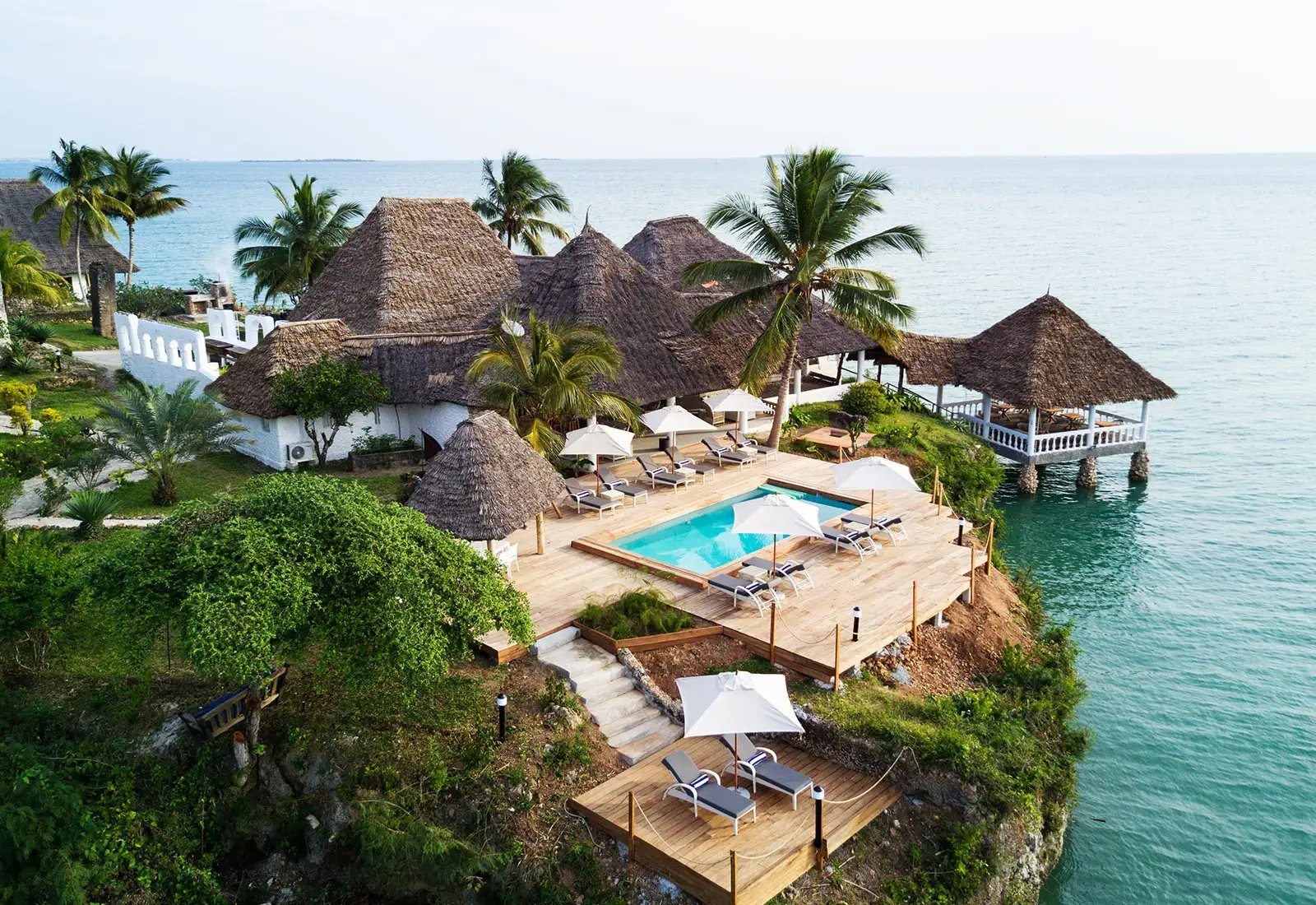
An intimate boutique resort set in a natural cove on the northeast coast of Unguja, near Nungwi. Essque Zalu Zanzibar pairs the highest makuti thatched roof on the island with 48 suites and villas, four restaurants and bars, a wellness spa and a sprawling lagoon-style pool overlooking the Indian Ocean.
From $180 per person · night
-
 Affordable Live availability
Nungwi Dreams
Located on the northern tip of Nungwi, Zanzibar's highest-rated and most pristine beach, Nungwi Dreams is an ocean-facing hotel that seamlessly blends modern architecture with subtle Swahili influences. Nungwi Dreams provides a perfect base for exploring Zanzibar's many attractions while offering a unique barefoot luxury experience. Guests can choose from bed and breakfast, half board, full board, or all-inclusive options, enjoying a fully-serviced hotel with a restaurant.
From $190 per person · night


Rates per person sharing, per night.
January
Hot, bright, glassy mornings
Best time to visit
The spice island year.
The island runs on the monsoon: dry-season blue mid-year, hot bright days around New Year, and a proper wet in between.
Zanzibar
Your guide to Zanzibar.
When
Zanzibar has a tropical climate year-round, with breezes from the Indian Ocean that help to maintain its warm temperatures.
The best time to visit Zanzibar is from June to October during the cool, dry months of spring. Another popular time to visit this tropical island is from December to February, when it’s hot and dry. The ocean temperatures are perfect for swimming, diving or snorkelling.
The best times to scuba dive off the coast of Zanzibar are in July to August and February to March. Diving off the north coast is particularly good from June to October and off the south coast between November and March.
Zanzibar Island has two wet seasons, the long rains and the short rains. The long rains in Zanzibar begin in March and pick up in April and May, slowing down by June, while the short rains fall in November and December. We don’t recommend visiting Zanzibar during the rainy seasons.
Where
Stone Town
The heart and soul of the island and the oldest part of Zanzibar City, with a rich cultural heritage of Arab, Persian, Indian, and European elements. The UNESCO World Heritage Site has winding alleys and old Arabic-style buildings, and you can temporarily lose yourself in the town’s magic. Soak up the local culture by sipping a cup of coffee from a local vendor or wandering through the streets, discovering unique little spots at every turn.
Palace Museum
Commonly known as the Sultan’s Palace, the Palace Museum is perhaps the most historic building in Stone Town and is a must-see for any traveller. The Palace Museum is located in the waterfront, overlooking the ocean, and was built in the 19th century as a home for the Sultan and his family. After the 1964 revolution, the site was used as a Government building and was renamed the People’s Palace. Today, the palace serves as a museum showcasing relics from the past Sultan family.
House of Wonders
The House of Wonders rises in impressive tiers of slender steel pillars and balconies overlooking the waterfront. Its enormous carved doors are said to be the largest in East Africa, flanked by two bronze cannons with Portuguese inscriptions dating them to the 16th century. It boasts a highly interesting exhibition that offers a brilliant insight into Zanzibari and Swahili culture. The House of Wonders is the grandest and tallest building in all of Stone Town and is found in a prominent location in front of the Forodhani Gardens on the old town’s seafront.
The Old Fort
The oldest building in Stone Town, the Old Fort, is located on the seafront, right in front of the famous Forodhani Gardens. Originally built in the 17th century to defend the island from attacks from the Portuguese, the Old Fort is one of Stone Town’s main sights. Visitors can admire the remains of the former fort and amble around the courtyard in the centre, where sellers have local produce for sale. An old amphitheatre still hosts events and functions in the fort.
Prison Island
A half-hour boat trip from Zanzibar, Prison Island provides a fascinating glimpse into the island’s slightly dark past – this land was once used as a place where slaves were detained and, when slavery was abolished, it functioned as a camp where people with deadly diseases were sent. Fortunately, that is all in the past, and today the island is a nature reserve for giant tortoises and a place to see the ruins of the former prison.
Jozani Forest
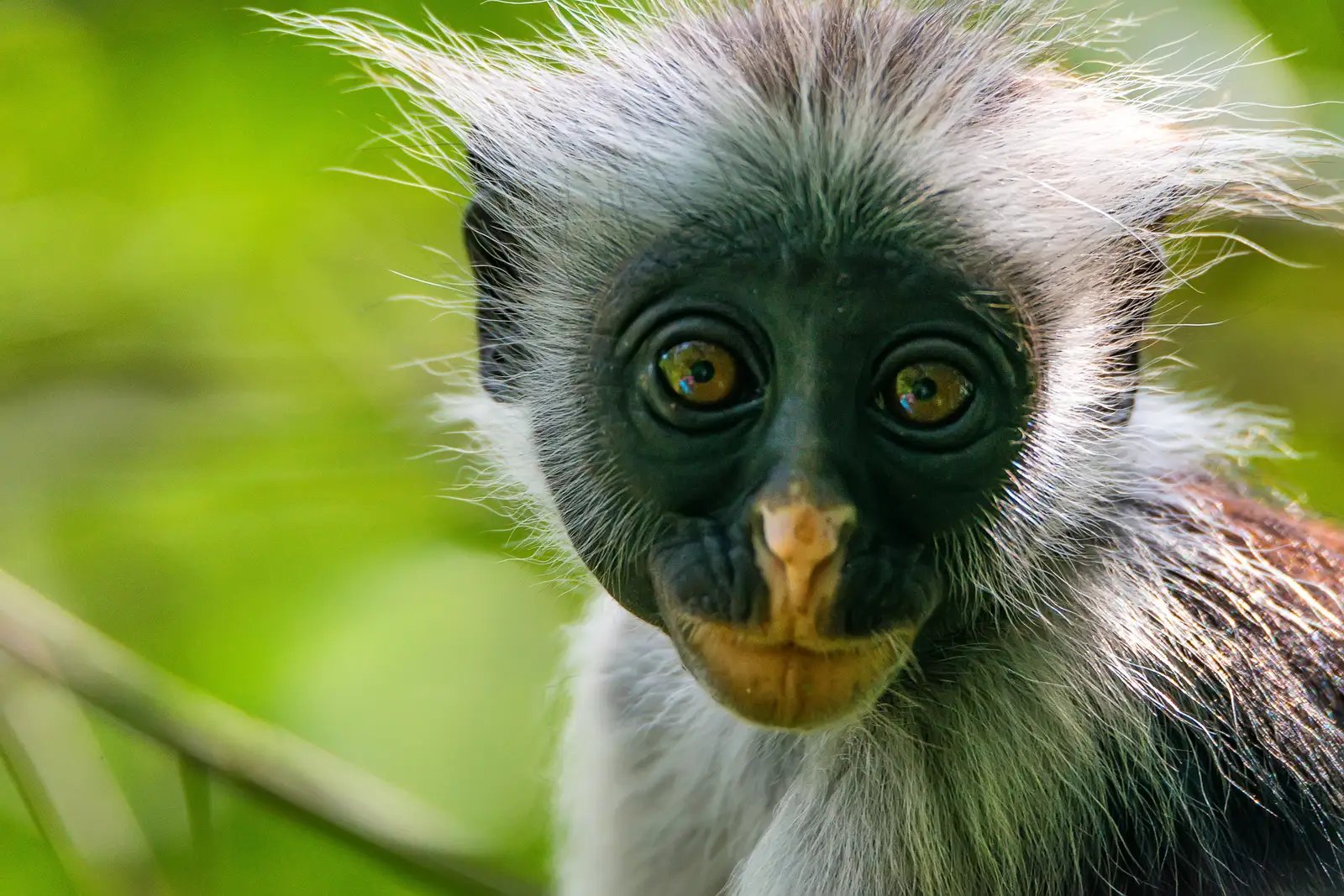
A vast, scenic landscape of green, Jozani is the last indigenous forest left on Zanzibar. Located inland from Chwaka Bay, the area often floods, which luckily nurtures a unique swamp forest of many amazing-looking trees and ferns. This forest is one of the last remaining sanctuaries in the world for the red Colobus monkey and is also a great place to encounter indigenous flora and fauna. The forest is best reached via bus, chartered taxi, or organised tour.
Nungwi Beach
Nungwi is a village on Zanzibar’s Northwestern tip. The aquarium on the north coast of Nungwi, near the lighthouse, rears small turtles found on the beach until they are large enough, and then releases them to survive in the sea. The aquarium is a natural pond with seawater that seeps through the cliff at high tide. This is a great destination for those looking to soak up some sun and dip their toes in the sea, but don’t need the luxury of a fancy hotel.
Spice Tour
Zanzibar is known for its spice trade, so what better way to immerse yourself in the local culture than learning about its wealthiest and most profitable industry? Travellers can choose from a variety of tours and explore the winding streets with expert tour guides who will inform you about the origins of the industry and teach you about the wide variety of spices that Zanzibar produces and trades in.
Imagery
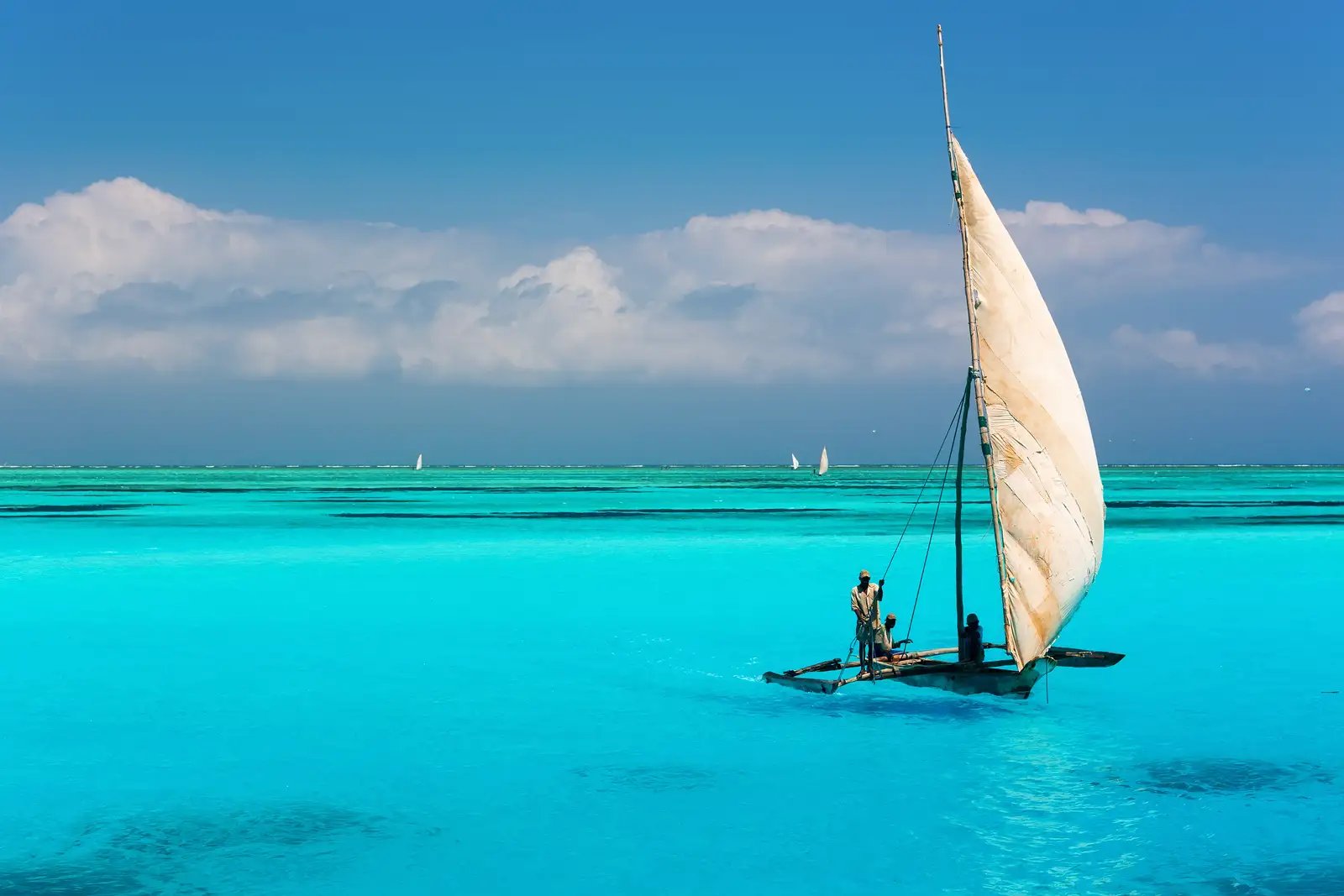
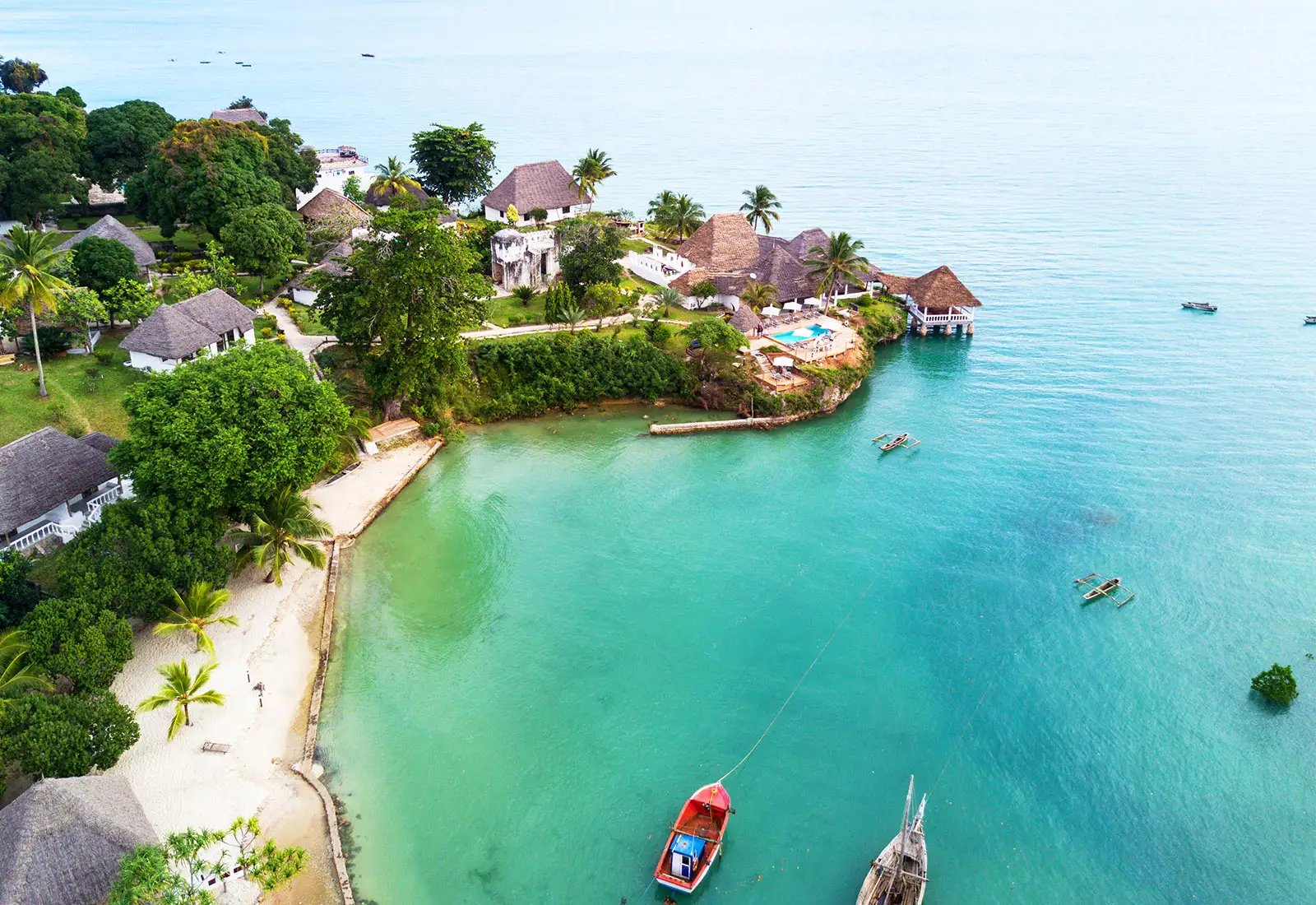
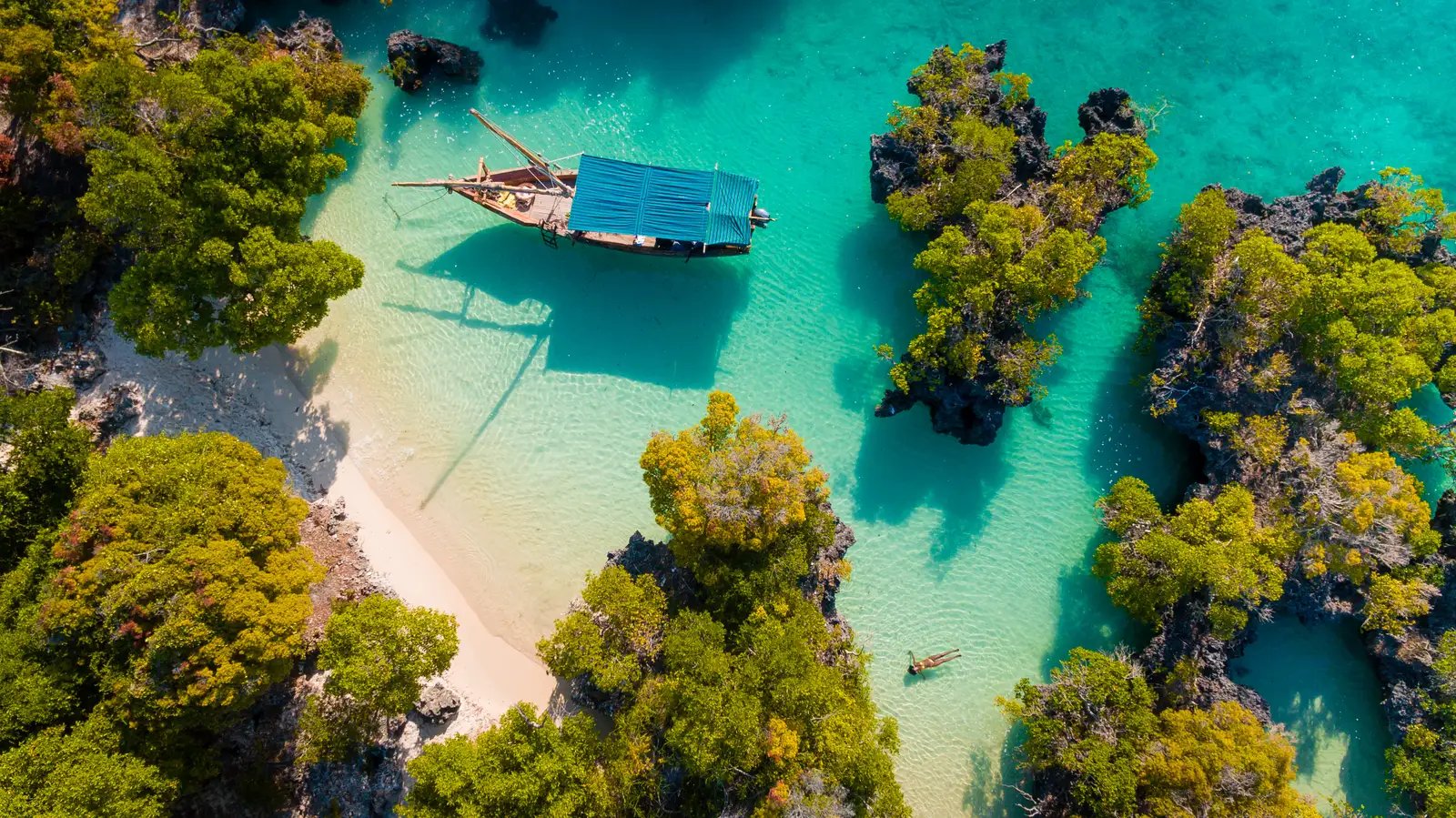
Zanzibar, in pictures.
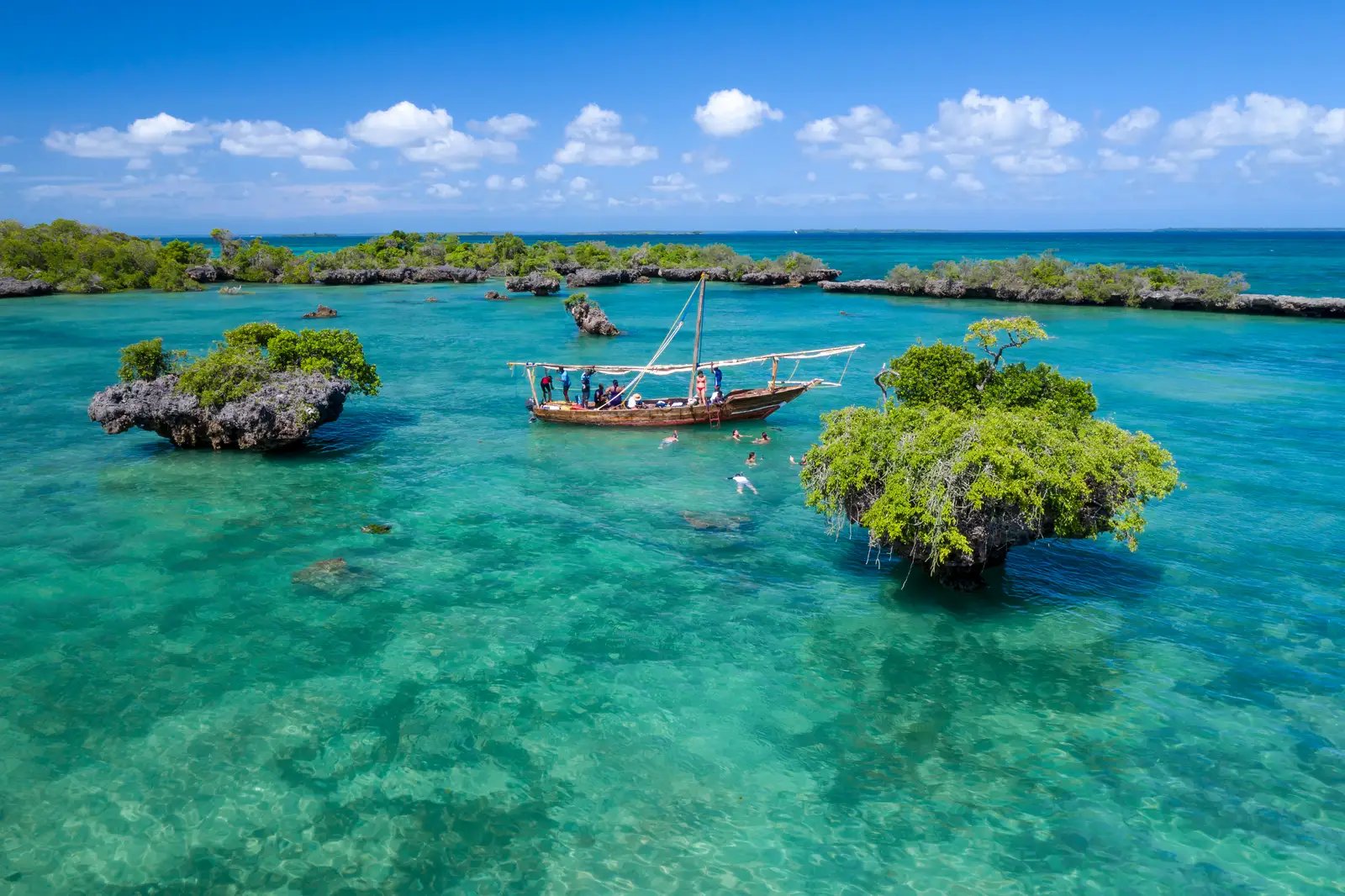
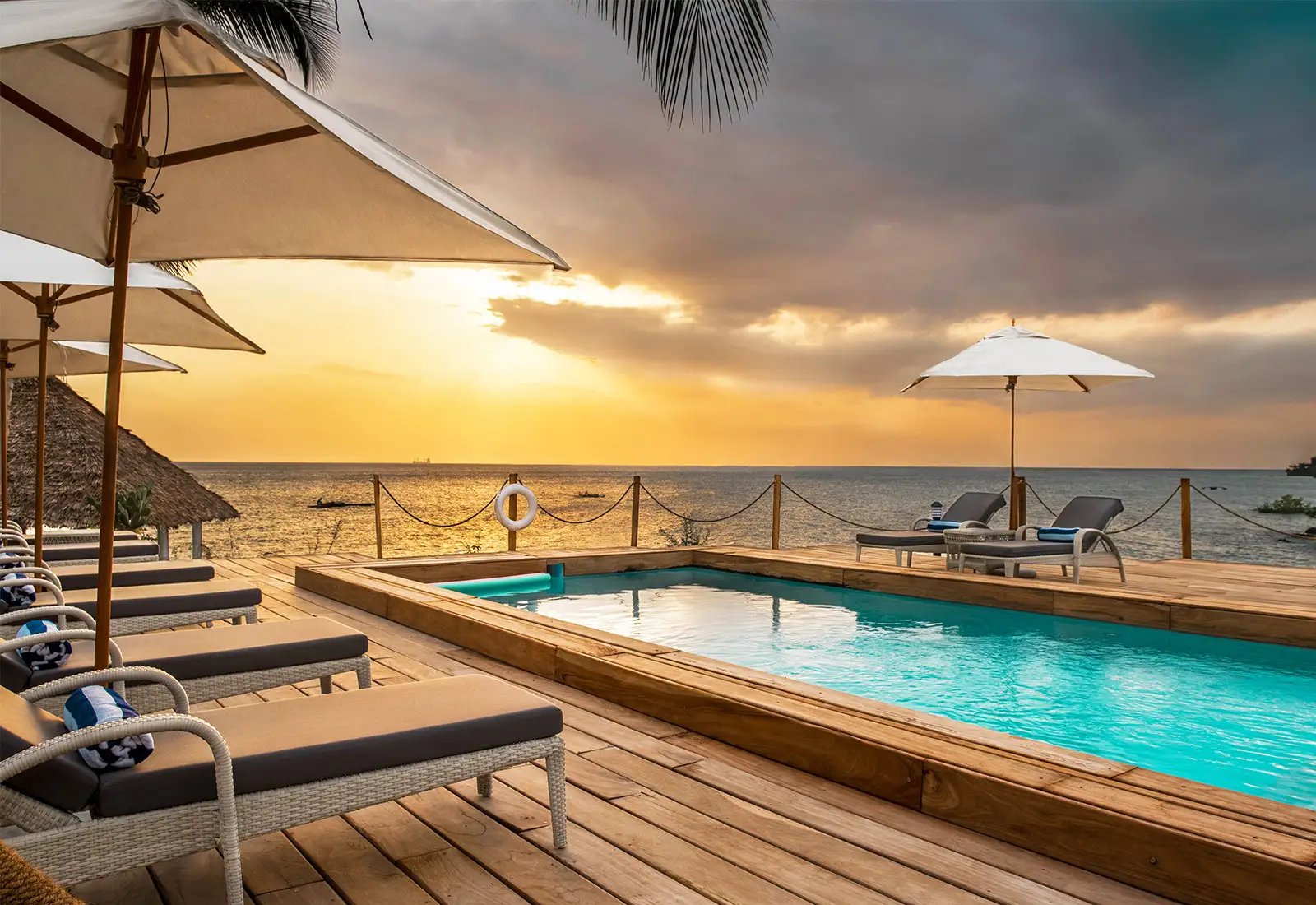
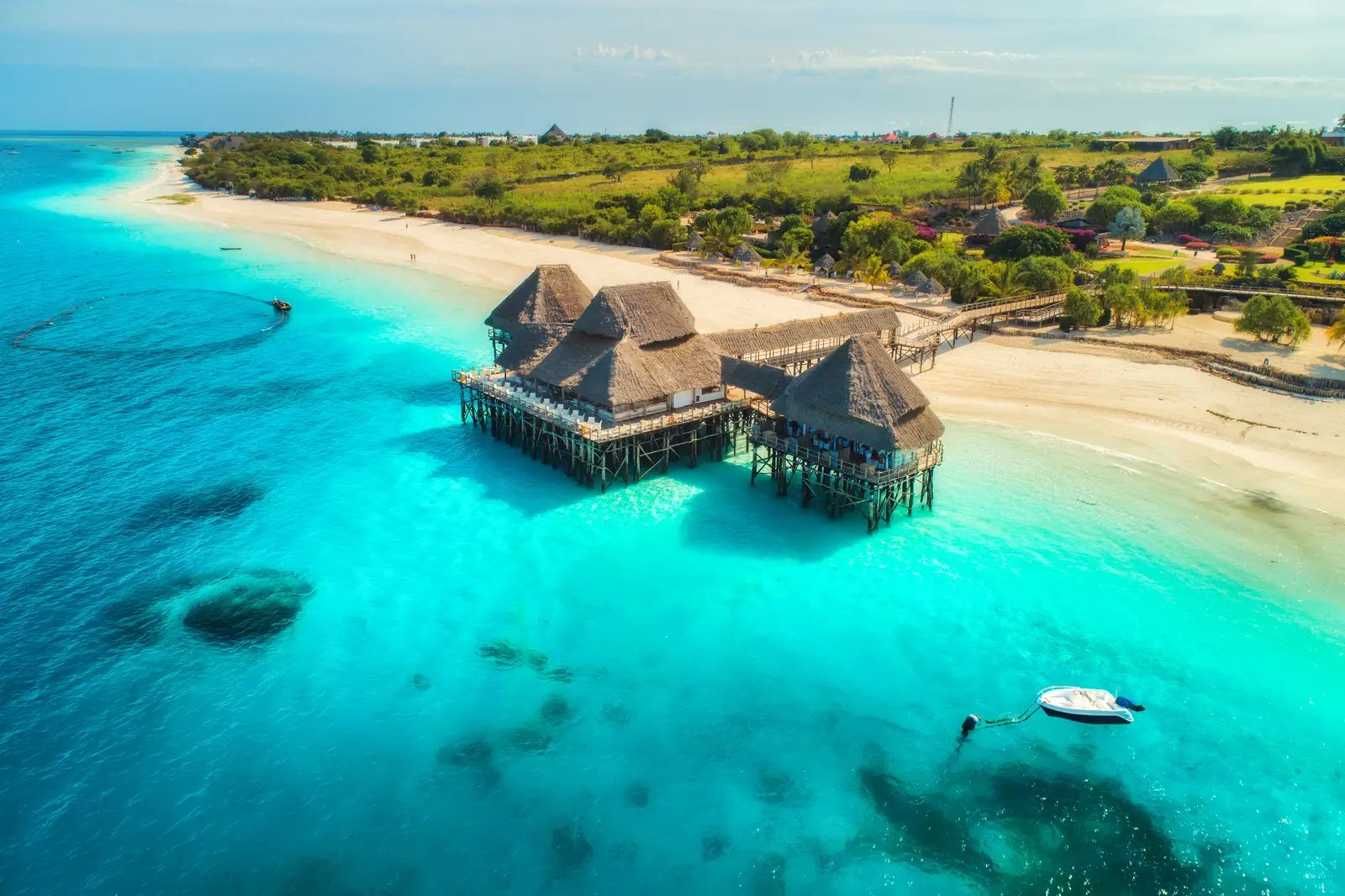
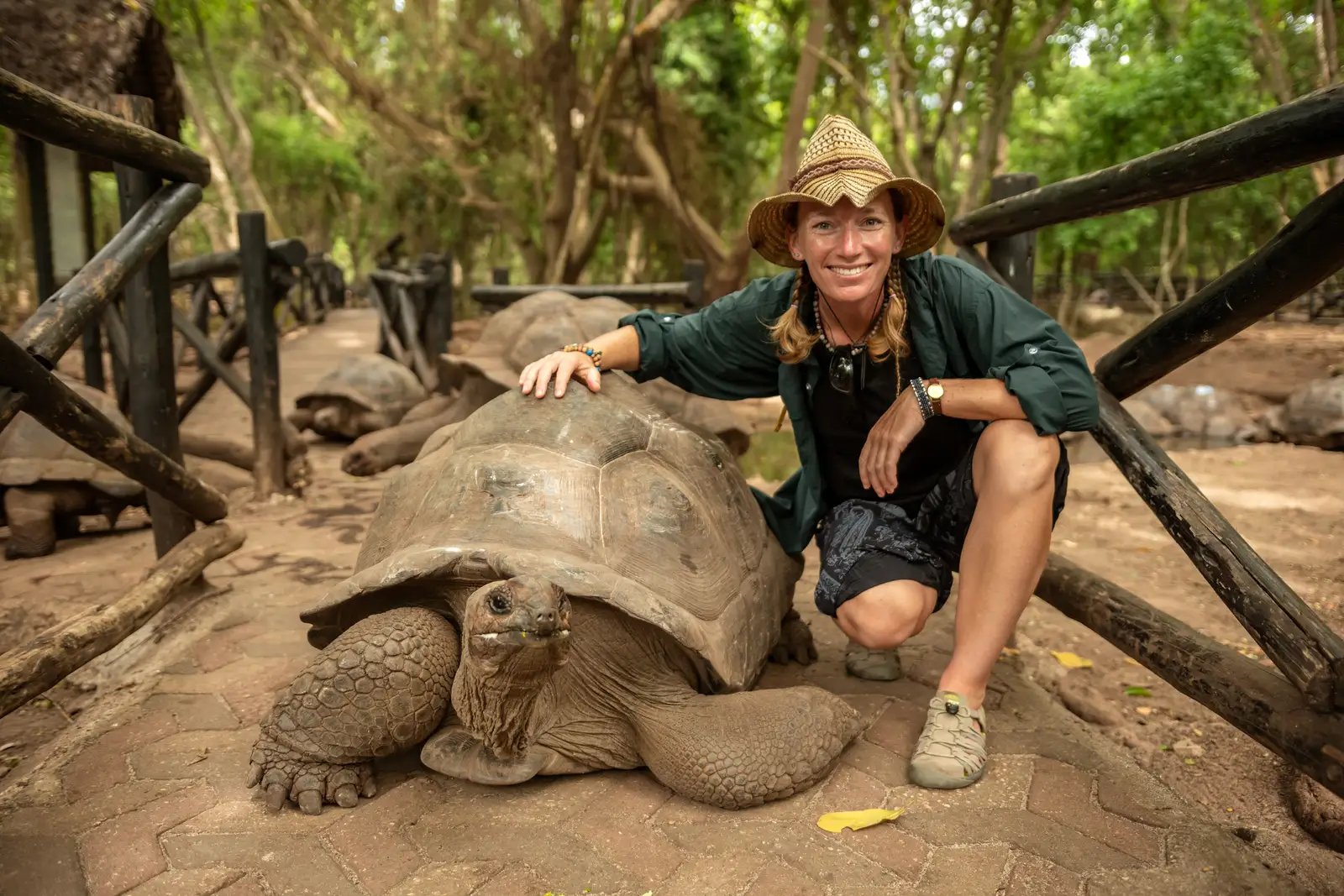
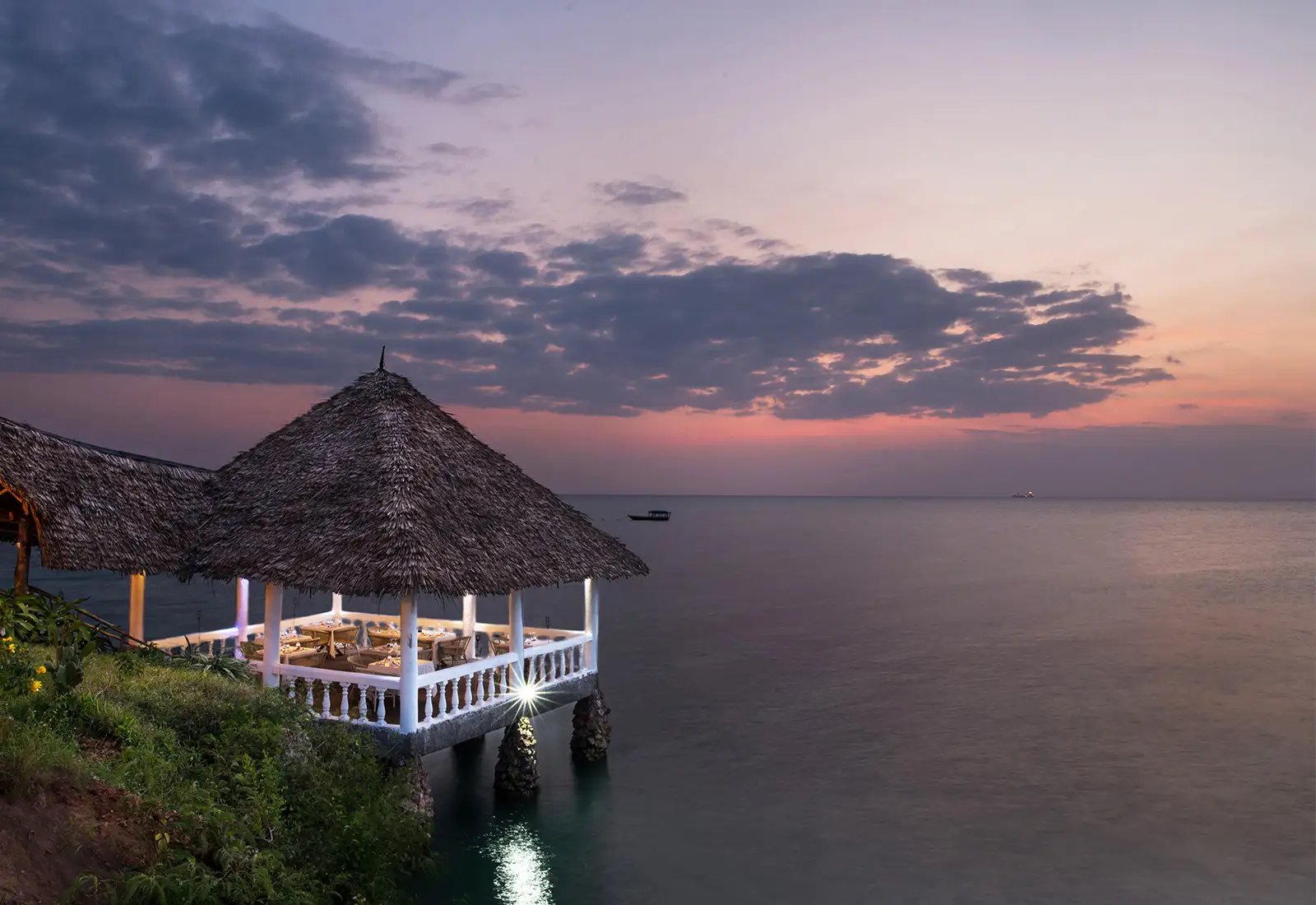
Recent travellers
Word from people who have just been to Zanzibar.
Quotes pulled directly from Trustpilot. Where we have specific reviews mentioning Zanzibar, those come up first. Otherwise these are recent five-star notes from across the trips we have planned.
"This is our first trip to the African continent and to a safari. We had many questions in the planning including which areas to visit, what accommodations are available and what the package includes. It was heartening to see that the team (Chantell and Clarisha) at Safari.com were very patient to listen to our queries and responded with professionalism and t…"
"Communication between Kate Harrington and Clarisha was excellent. I had problems with a bank transfer ( from UK) which was sorted. We can't wait for our trip to SA!!!!"
"Wesley has been an incredible find. We are truly grateful he is helping us create our magical getaway"
"The team at Safari.com had great advice about different options and sites, and were patient and professional to work with--and not at all pushy."
Speak to a safari specialist
Plan your trip to Zanzibar.
Tell us when, who's coming, and what you're hoping for. One specialist looks after the rest.
Planning something beyond the ordinary?
Private & bespoke travel