Botswana. A landscape filled with a vast wilderness of grassy plains teeming with wildlife whilst winding waterways stir with pods of hippos and Nile crocodiles lurking in the shadows, waiting on their next meal to arrive. Our traveller's guide to Botswana provides insight as to why this country is recognised internationally. It is without a doubt that Botswana is considered a top safari destination in Africa, with a good standing reputation amongst travellers as the ultimate place to experience an authentic African safari.
Unlike many other safari destinations, Botswana provides an experience that feels very private. Many lodges and camps are located within remote concessions of Botswana, particularly in the south, where light aircraft are the only accessible means of transport. An adventure in Botswana generally starts from the city of Maun, flying low over the vast open plains, lush woodlands and waterholes that attract an abundance of wildlife in the heat of the day. This flight is the perfect start to what is sure to be a thrilling safari experience. Botswana is home to an array of outstanding game reserves but the most popular safari destinations are: Chobe National Park, Moremi Game Reserve, Okavango Delta and the Central Kalahari Game Reserve.
As with any destination in the world, it can be difficult to work out which areas are best to travel to at which times. This is especially true in Botswana, where the seasons are subtle and easily confused. Not to worry though, as Africa safari experts we're here to help you find the perfect fit. Rather than work through the country park by park, here is our breakdown of Botswana's three safari seasons, the flood, the peak dry and the emerald green, and where each one comes into its own.
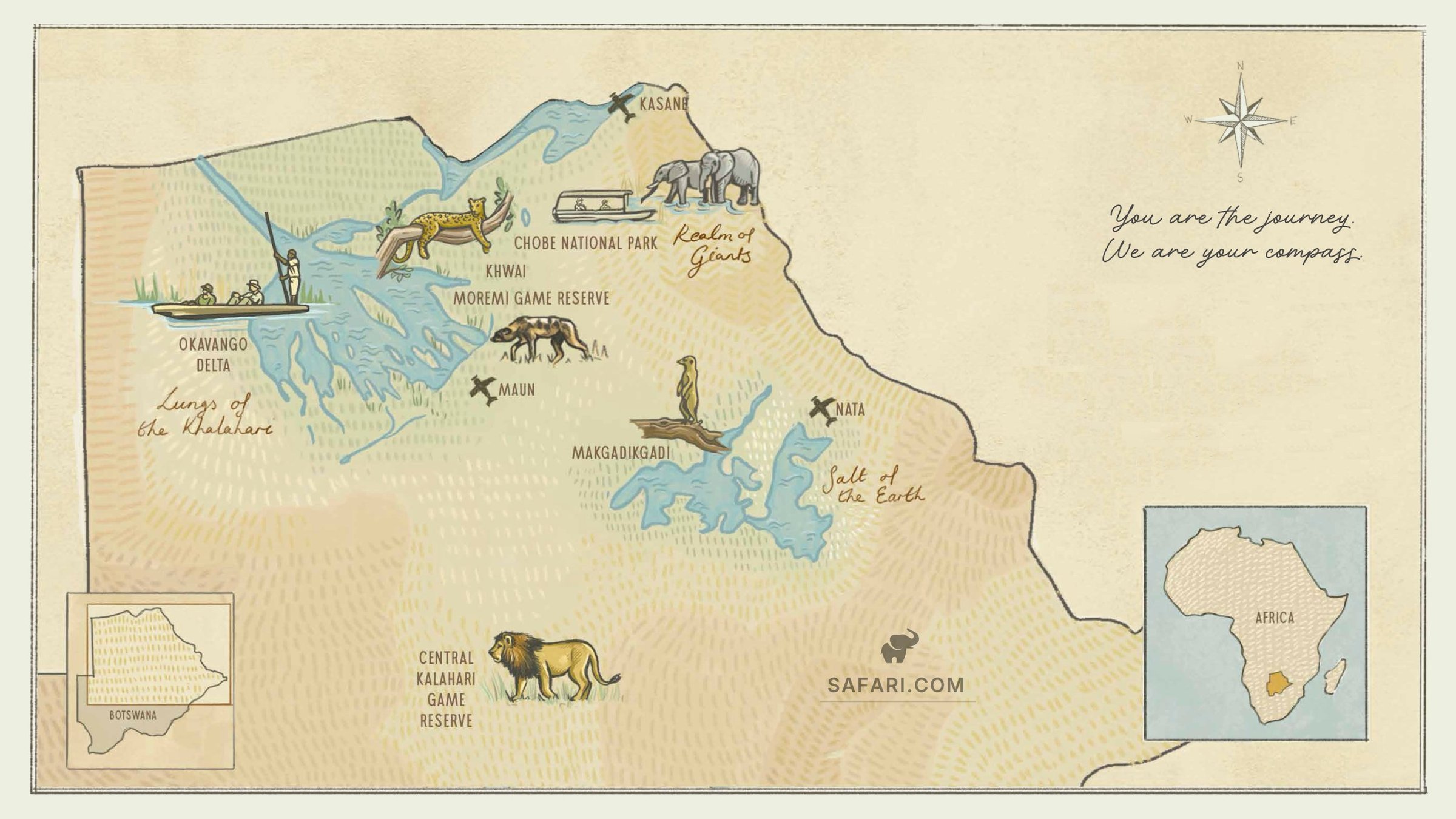
When to go: Botswana at a glance
Botswana's best season depends on the region. The Okavango Delta and Chobe peak with the floodwaters from May to August, the Moremi Game Reserve in the peak dry of September and October, and the Central Kalahari and the Makgadikgadi Pans in the green season from November to March.
| Region | Best time | Season |
|---|---|---|
| Okavango Delta | June to August | The flood |
| Chobe National Park | May to September | The flood |
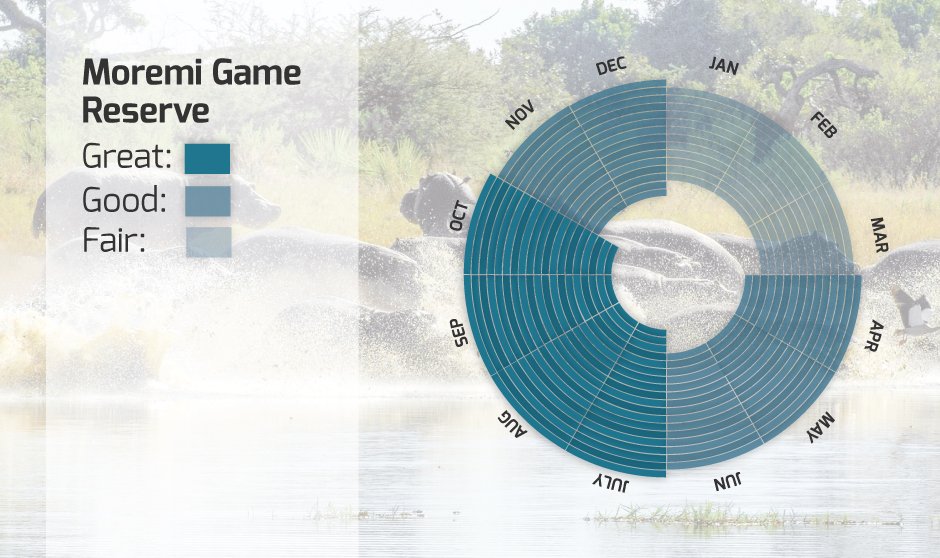
| Moremi Game Reserve | July to October | Peak dry |
| Savuti Marsh | August to October | Peak dry |
| Central Kalahari | December to April | Emerald (green) |
| Makgadikgadi Pans | December to April | Emerald (green) |
The Flood Season: May to August
From around May, water that fell as rain in the Angolan highlands months earlier finally reaches Botswana, and the north fills with the annual flood. This is the season for the Okavango Delta and the Chobe riverfront, when mokoro and boat safaris are at their best and game gathers along the channels and the river. The days are mild and dry, but the mornings can be cold, so pack warm layers for the early game drives.
Okavango Delta
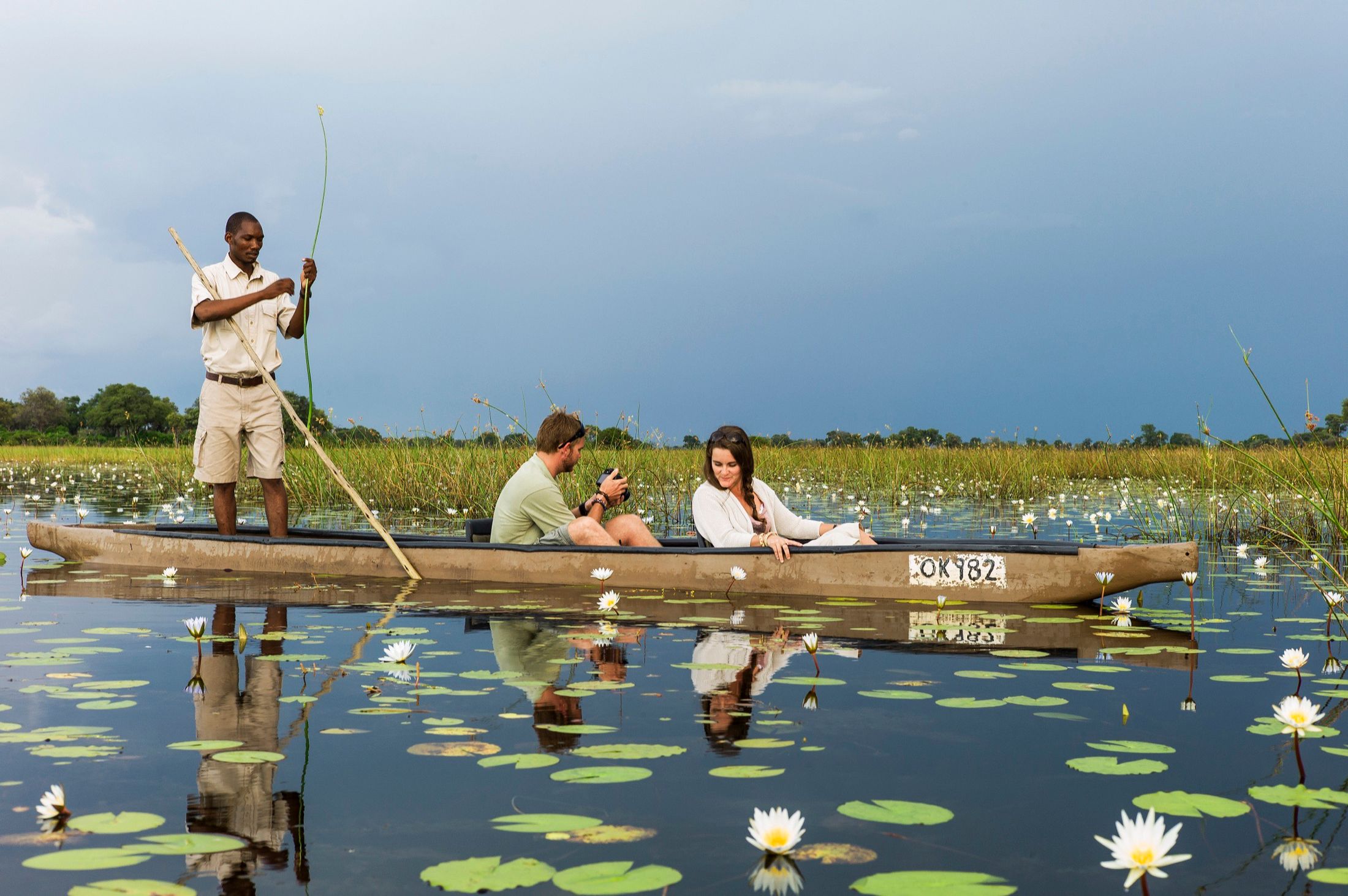
The Okavango Delta is one of the world’s most celebrated safari destinations; a vast inland river delta in northern Botswana. Unique and ever-changing, it's no surprise that the Okavango Delta is a UNESCO World Heritage Site. The Delta is made up of more than 150 000 islands across 16 000 square kilometres of nearly flat land. This untamed wilderness is fed by the Okavango River, forming several canals which are perfect for a mokoro trip. A mokoro is a traditional dugout canoe that is unique to Botswana and is a truly blissful experience.
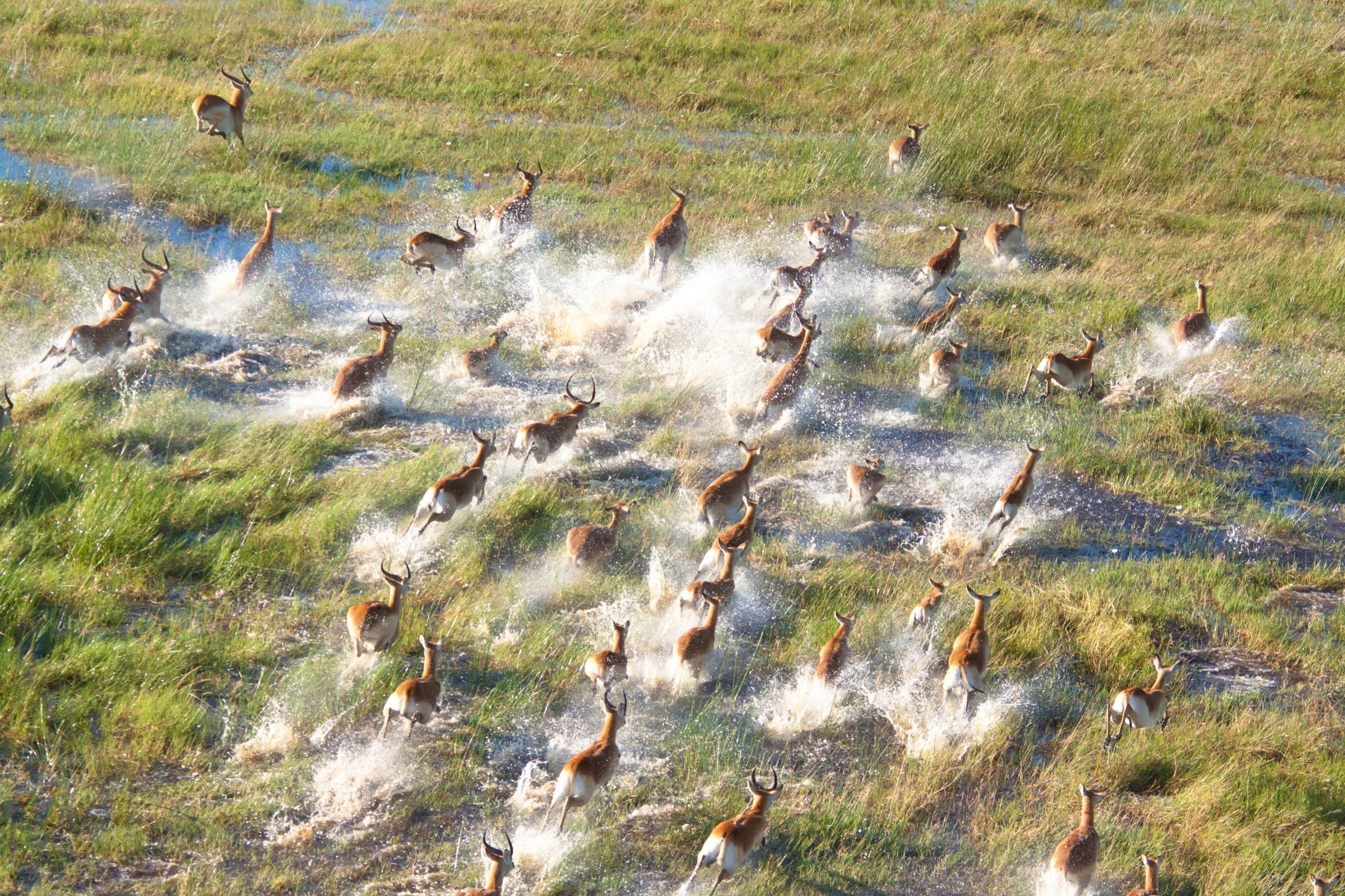
The wildlife concentration is not as prolific as the likes of Chobe National Park and Moremi Game Reserve, but this remarkable destination is visited by travellers across the world for the experience of complete isolation and the serene nature. That said, June to August is when the floods arrive and the high waters do attract many animals and it is the best time to experience a boating and mokoro safari. The wildlife encounters in the Delta are usually up-close, providing the opportunity for some fantastic photography.
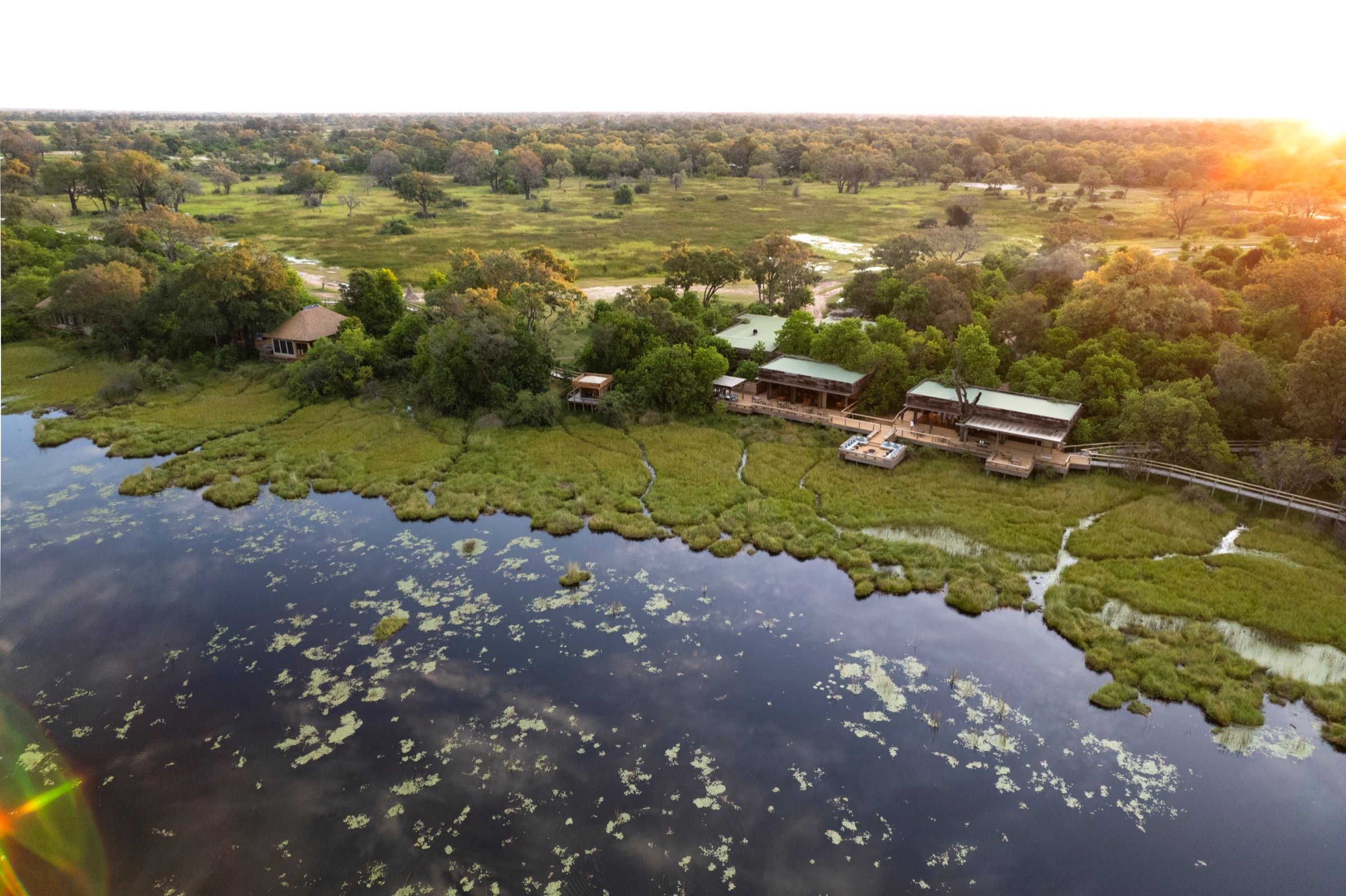
The location of each lodge/camp within the various private concessions determines which activities are possible. Some are land only camps, others are water only camps and a select few are combination camps; offering both land and water activities. We always recommend that you spend four nights in the Delta to experience both a land and water camp, or spend your time at one or multiple combination camps.
From October until the start of the rains in late November or early December, the weather can be extremely hot. It is important to note that although travel during the months of January to March can be rewarding, offering the opportunity to see newborn animals, there is a high chance of rainfall which can limit access to many lodges/camps. Some lodges/camps close during this period.
November to April sees the Okavango Delta transform into a sensational bird watching destination. There are 490 species of bird to be seen in the Okavango Delta.
Best time to visit the Okavango Delta
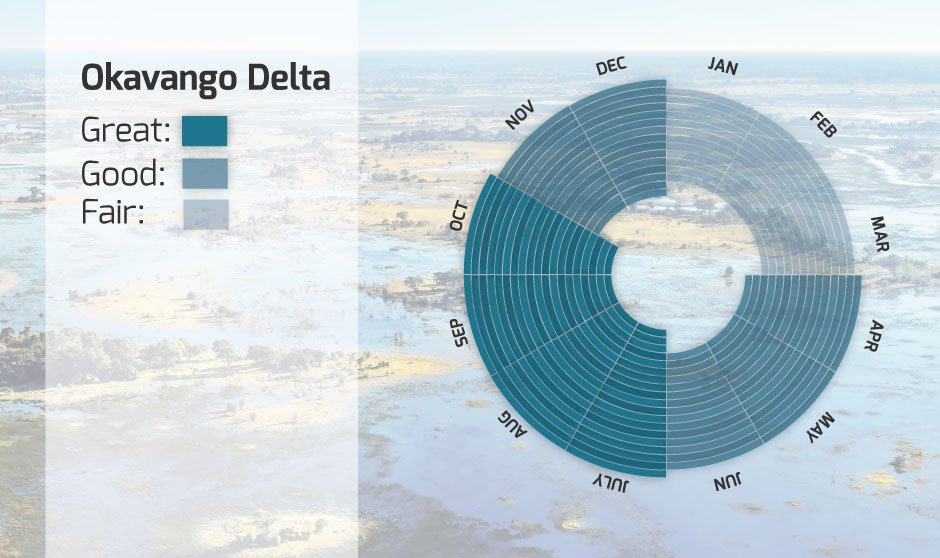
A safari experience in the Okavango Delta is not complete if you have not ventured out on a game drive, a boating safari, a mokoro safari and a walking safari.
Chobe National Park
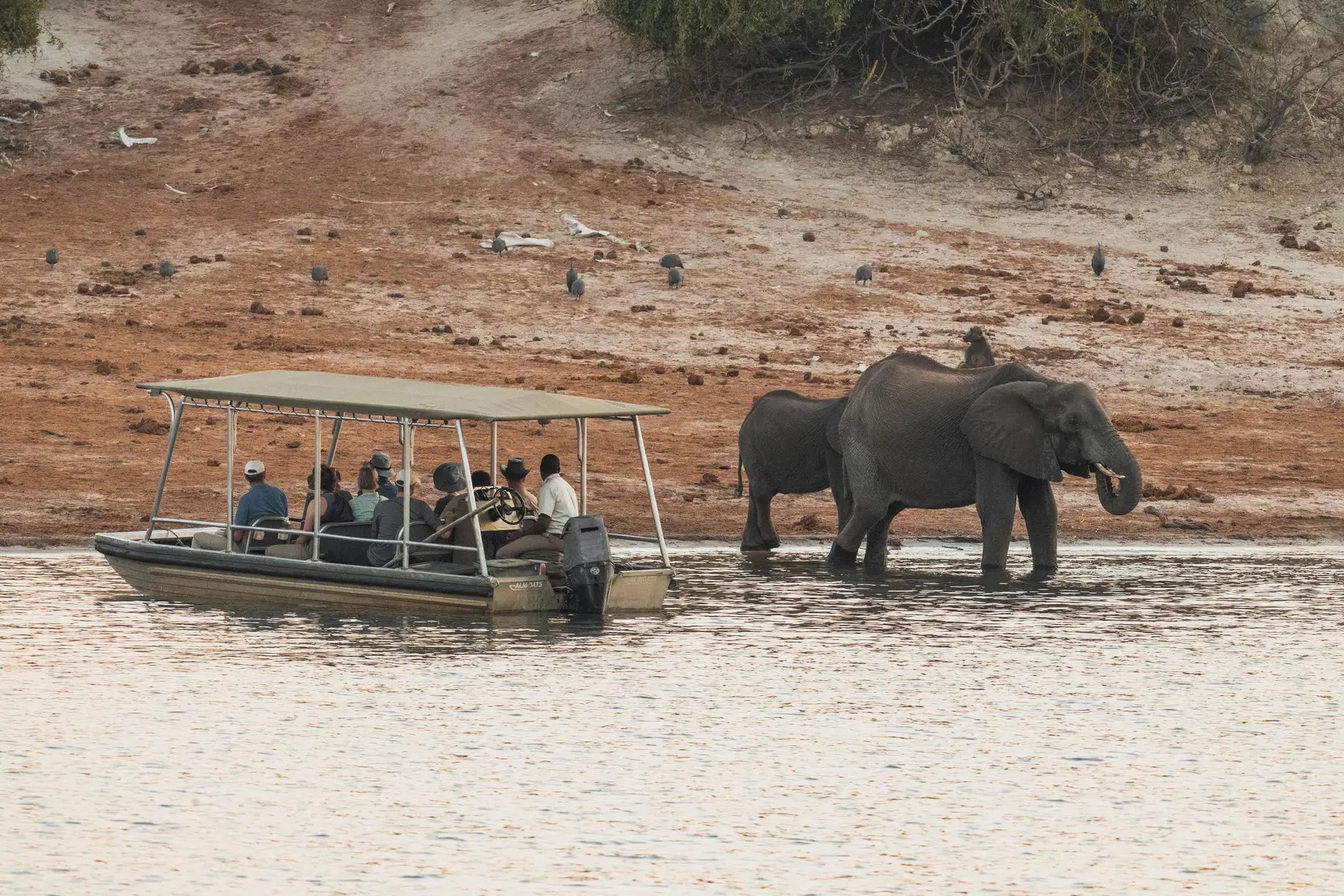
Chobe National Park takes its name from the mighty Chobe River which forms the northern boundary of the park and is Botswana’s second largest park. The Chobe riverfront is a wildlife enthusiasts dream, offering some of the most incredible game viewing and photographic opportunities.
During the dry season months of May to September, game viewing is regarded to be at its best with large herds of buffalo and elephant congregating along the banks of the Chobe River; the only place in Africa where the largest concentration of elephant can be seen. June, July, and August are particularly some of the best months to visit Chobe National Park as the vegetation is dense and wildlife is abundant. The only challenge to face is the somewhat chilly mornings, particularly on game drives.
The diverse park is also famous for its boat safaris and is renowned as a top class birding destination with over 450 species recorded. Most of the bird species are seen during the summer migratory months of October through March, which is the best time for keen birders to plan their visit.
Best time to visit Chobe National Park
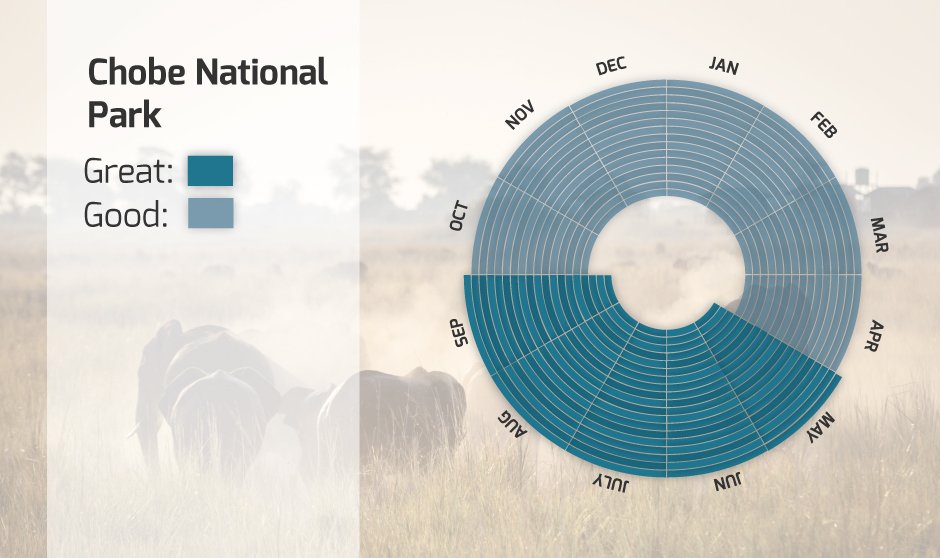
Chobe National Park is an attractive safari destination with no ‘poor’ game viewing months noted throughout the year, however, during the dry season months the park can feel somewhat overcrowded. Game drives are conducted in open-sided 4x4 vehicles and led by professional guides.
The Peak Dry Season: September to October
By September the floodwaters have dropped and the bush has dried out. The seasonal pans empty, the wildlife concentrates on what permanent water remains, and sightings become easy and reliable. This is when the Moremi Game Reserve is at its peak, and when the Savuti Marsh, further north in Chobe, comes into its own.
Moremi Game Reserve
Moremi Game Reserve forms part of the east and central areas of the Okavango Delta and changes dramatically with the seasons. The constant changing colours, broad skies, majestic sunsets and Big Five game viewing are all part of the package when visiting the reserve.
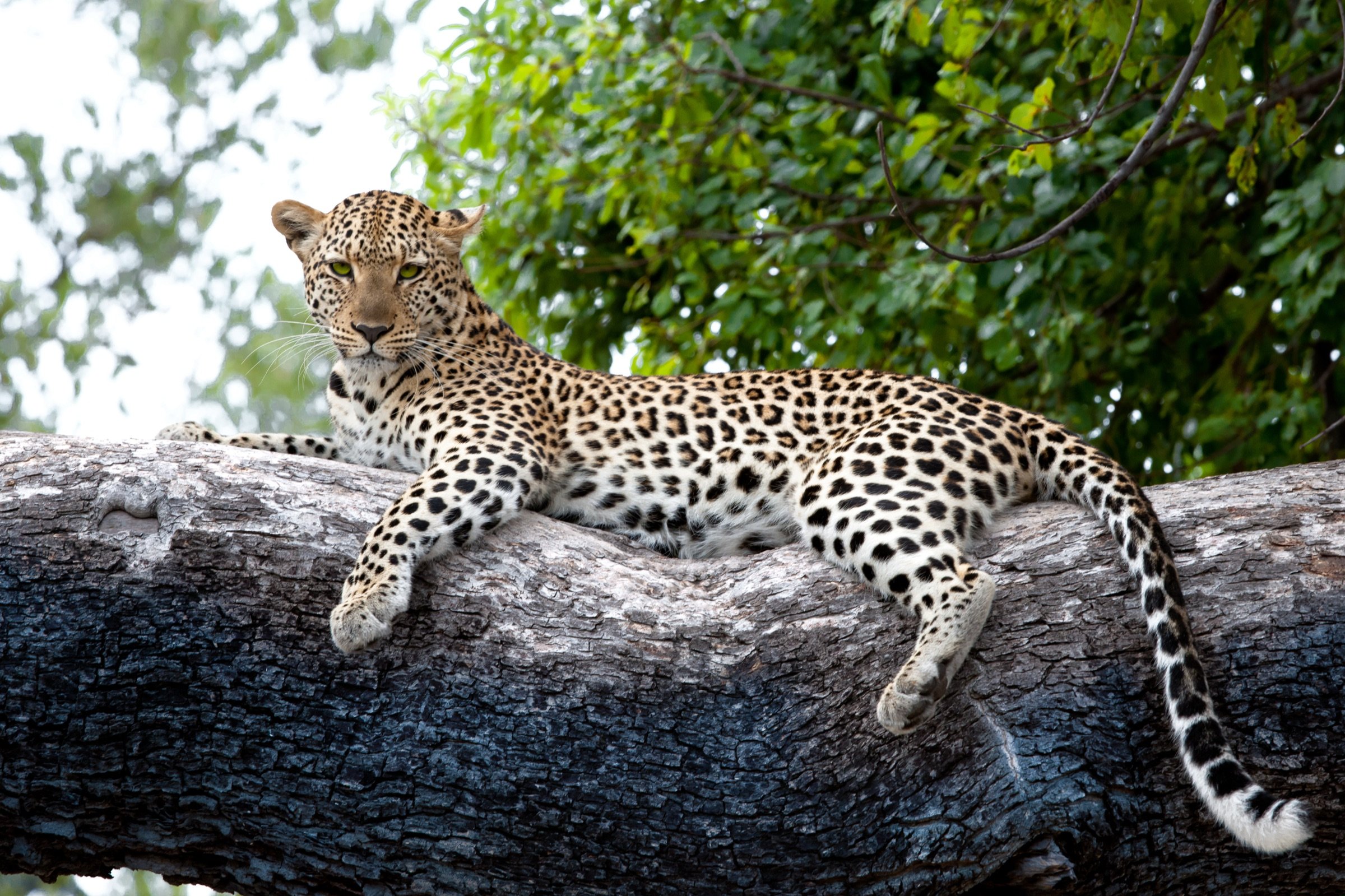
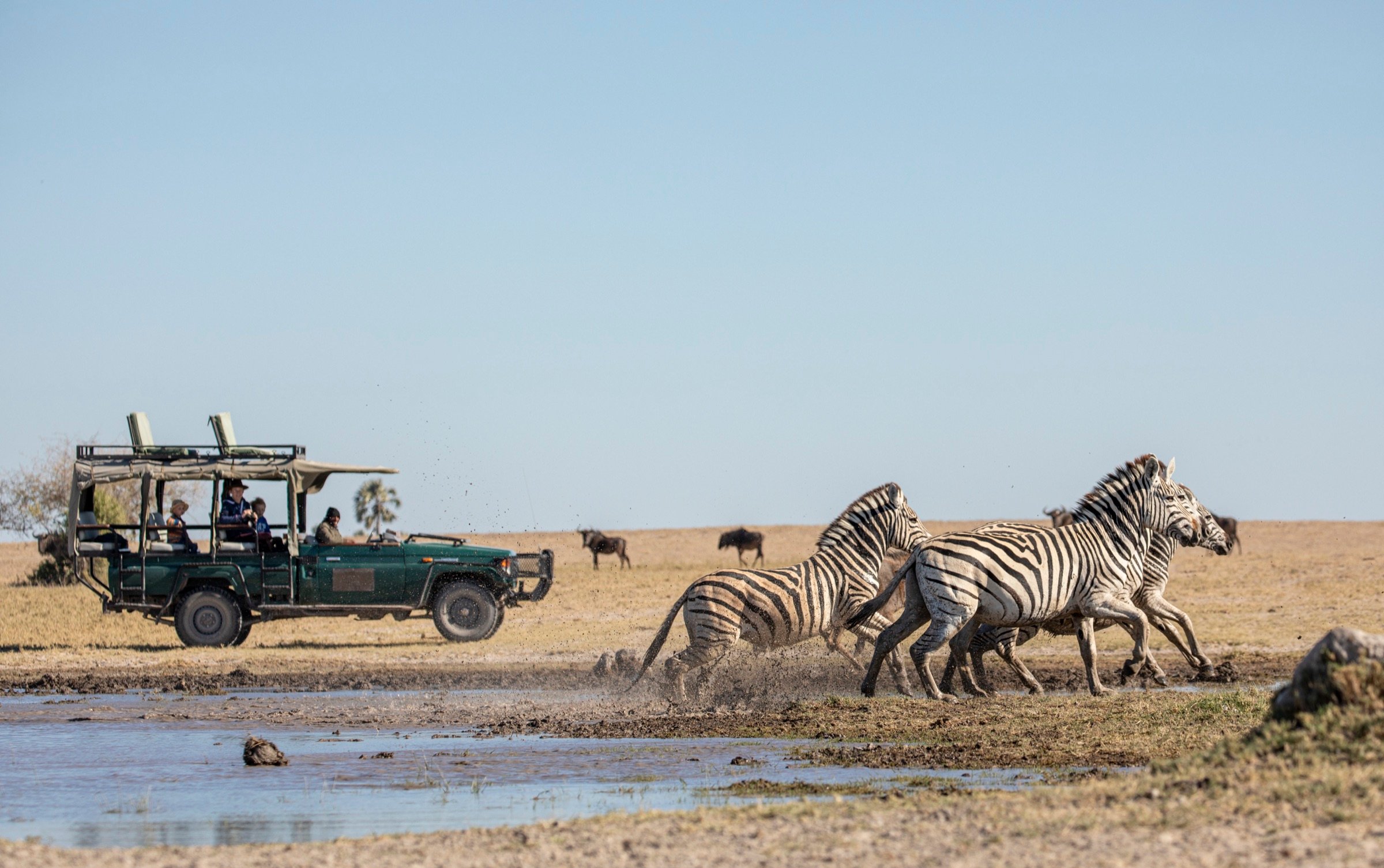
Combining 5,000 square kilometres of permanent water and dry land, Moremi Game Reserve provides a diverse vegetation for an abundance of wildlife. The reserve offers the opportunity to explore in 4x4 safari vehicles, on foot and by mokoro - a traditional dugout canoe.
A safari experience in the northern parts of the Moremi Game Reserve is particularly good in the dry season months of April to October, however, game viewing is generally at its peak from July to October, when seasonal pans dry up and the wildlife concentrates on the permanent water. The month of August is traditionally an exceptional month for wildlife sightings with the dry season in full swing, but be prepared for surprisingly chilly temperatures on the early morning game drives. From October until the start of the rains in late November or early December, the weather can be extremely hot.
The wet season months of November to March are not necessarily the best game viewing months but offer sensational birding watching and is the season where travellers have the opportunity to see newborn animals. Over 400 species of bird have been recorded in Moremi Game Reserve and the wet season is the best time to view the migrant species. It is during these months that many of the birds nest or rear their young.
It is important to note that although travel during the months of January to March can be rewarding, there is a high chance of rainfall which can be continuous for days, impacting your game viewing experience.
Best time to visit the Moremi Game Reserve
Moremi Game Reserve is the perfect place to tick off the Big Five and experience the thrill of a walking safari which is led by an armed guide.
Savuti Marsh
Chobe National Park includes the Savuti Marsh. Savuti is 5-6 hours south of the Chobe River Front and is most famous for its buffalo herds, wild dog, and big cat sightings; particularly during the drier months when sources of water are limited.
The Emerald Season: November to March
When the first rains break in November, the dust settles and the south turns green. This is the emerald season, also known as the green season, when the migrant birds arrive, the herds calve, and the desert reserves of the Kalahari offer their best game viewing of the year. Rain can fall hard in the far north, and a few Delta camps close for the wettest weeks, but for the Kalahari and the pans there is no better time to travel.
Central Kalahari Game Reserve
The Central Kalahari Game Reserve in Botswana is the second-largest game reserve in the world; 5 million hectares of pristine wilderness set deep within the Kalahari, the vast semi-arid basin that stretches across Botswana, Namibia and South Africa.
The Kalahari is often overlooked by many travellers and is best described as a remote wilderness with harsh terrain and an unforgiving climate. Although often perceived by many as just a desert, the Kalahari has a wide variety of habitats: sand dunes with many species of trees in the north, flat bushveld in the central area, mopane forests to the south and east, wide grasslands in vast open plains, acacia trees forests, saltpans and ancient riverbeds.
The attraction to the Kalahari is the San Bushmen and the phenomenal game viewing. Activities in Central Kalahari Game Reserve includes game drives, nature walking safaris, bird watching and cultural tours. With only fourteen known San Bushmen groups left in Africa, the southern group living in the Kalahari is Khomani San and is the last remnant of the extensive indigenous San of South Africa.
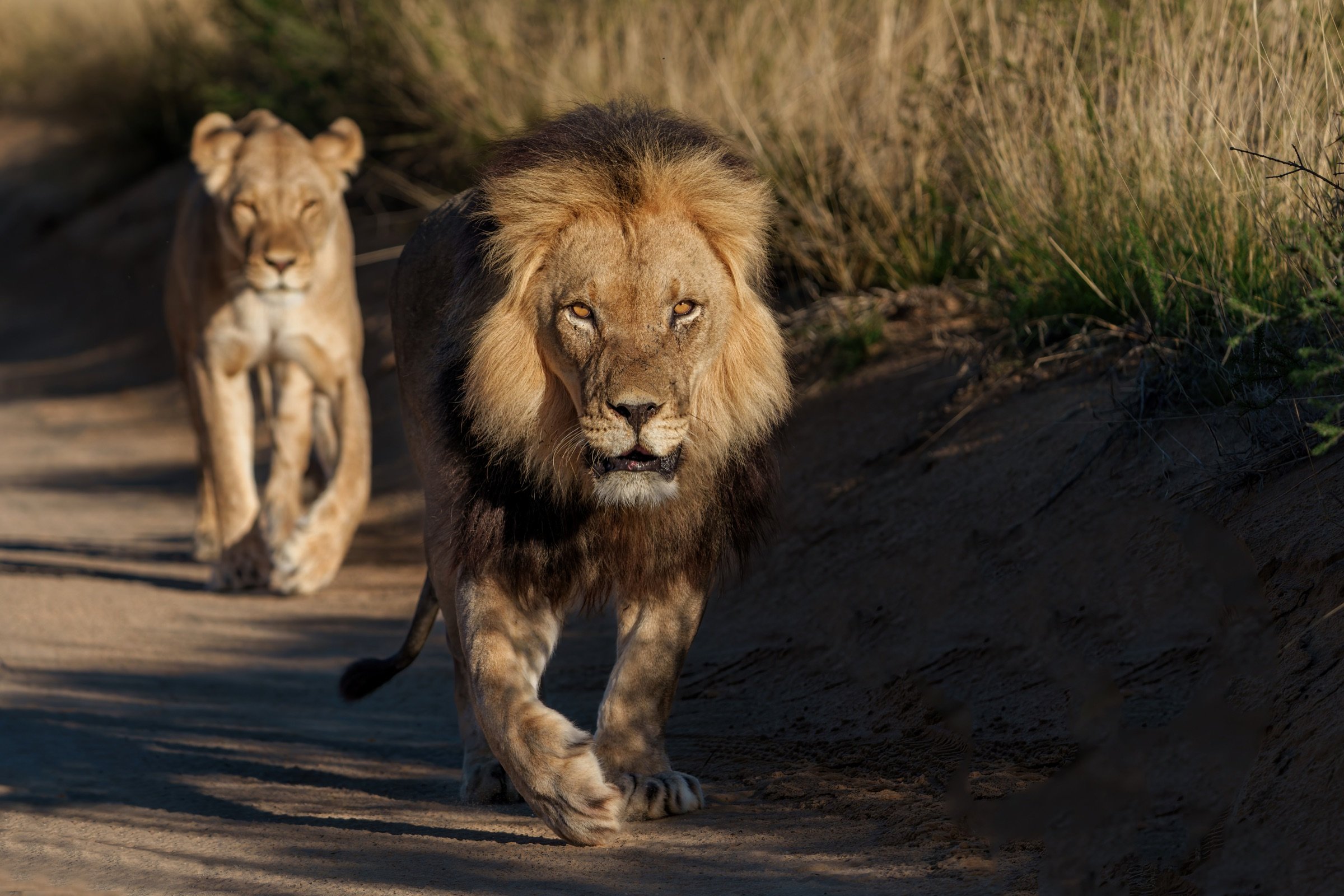
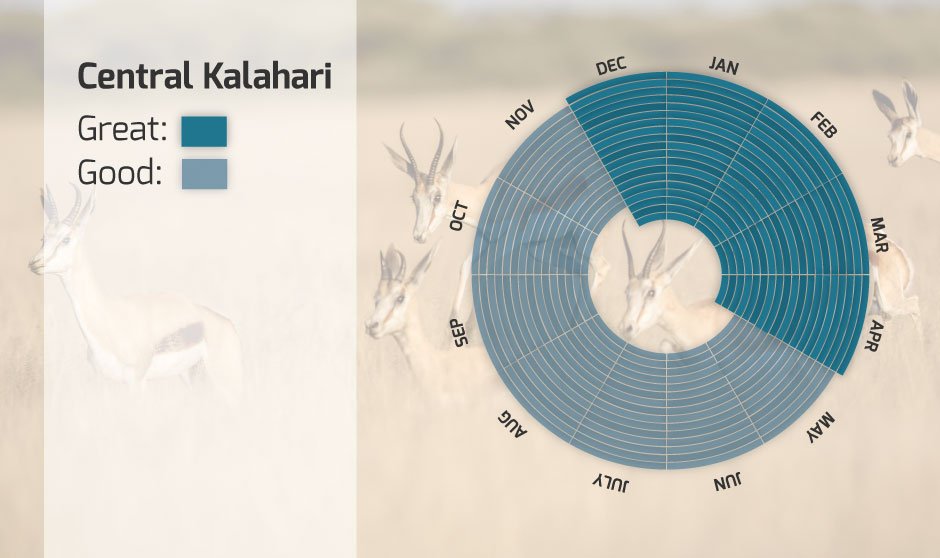
The wildlife is generally found in the northern region of the Kalahari, and unlike any other reserve in Botswana, the best game viewing is during the rainy season months of December to April when animals migrate to the lush grasslands of the “green desert”. You can expect to see wild dog, leopard, lion, hyena, a wide variety of antelope and plenty of birds. Travellers will too be astounded by the masses of migrating herds of zebra and antelope that arrive to give birth. Predators abound with plentiful lions, especially the famous Kalahari black-maned lion, cheetah, leopard and black-backed jackals.
The dry season months of May to November are hot, dry and dusty so although game viewing is still good, fewer animals are seen in these harsh conditions with no permanent surface water. Temperatures are high during the day and very cold at night. The dry season is the perfect time to interact with the San Bushmen people.
Best time to visit the Central Kalahari
Escape to the Kalahari for a cultural safari experience with the Kalahari Bushmen who provide insights into the unique and extraordinary culture of these fascinating people.
Makgadikgadi Pans
South-east of the Central Kalahari lie the Makgadikgadi Pans, the cracked bed of an ancient superlake that once covered much of northern Botswana. For most of the year they are stark and all but empty, a place for quad biking across the salt, sitting out with habituated meerkats and walking with the Bushmen. The green season changes everything.
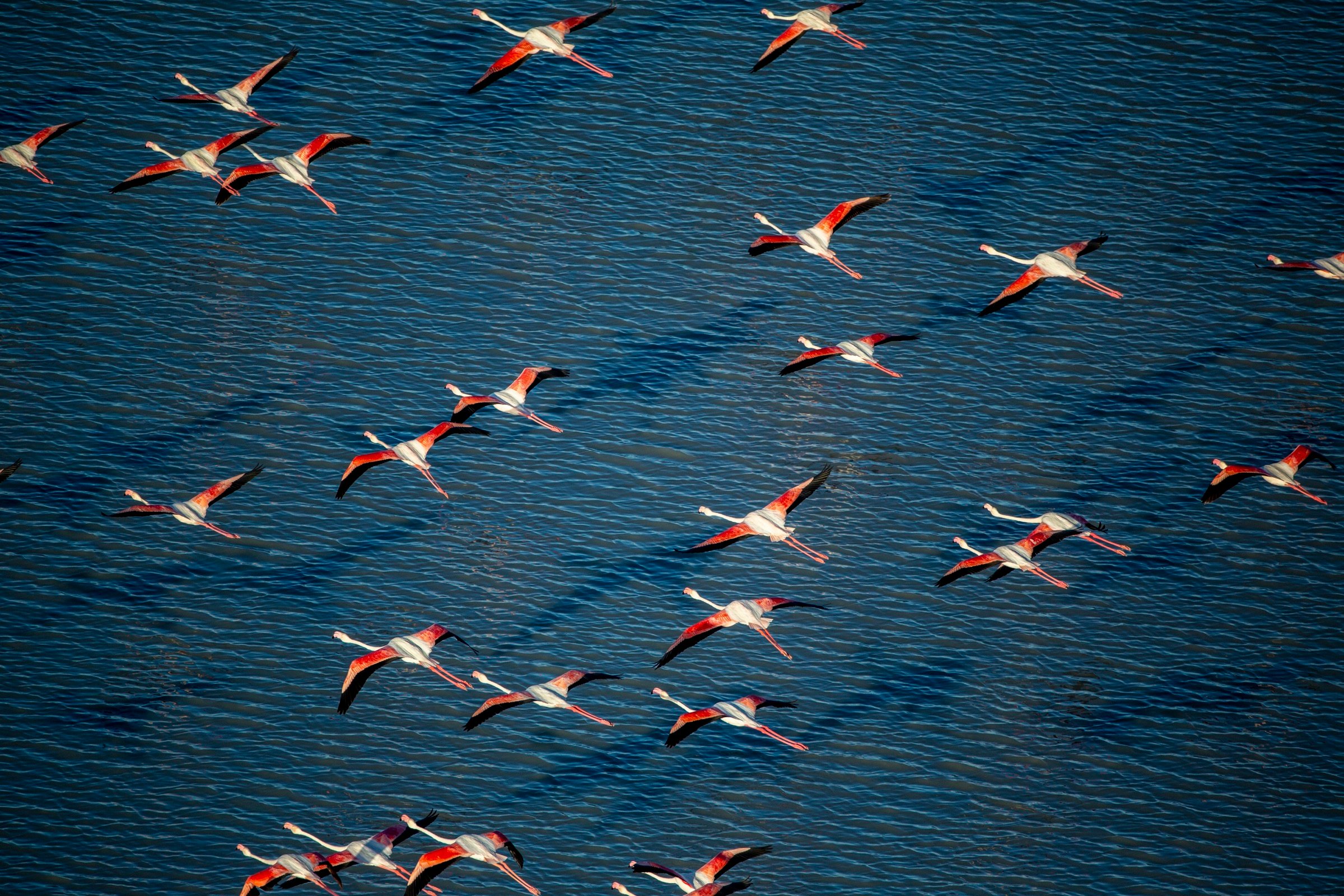
When the rains fill the pans between December and April, grass returns to the surrounding plains and Botswana's largest zebra migration arrives, with predators close behind. It is also when the flamingos gather, at times in their thousands, to feed and breed on the shallow water. For the pans, as for the Kalahari, this green window is the season to travel.
A safari in Botswana is ideal for solo explorers, multi-generation family holidays and couples seeking a private romantic getaway. Having read our guide to Botswana, why not get in touch with one of our safari specialists to tailor make your very own trip to Botswana. There are so many exciting places to consider, so let us help you find that perfect African holiday.
Written by Safari.com Editorial