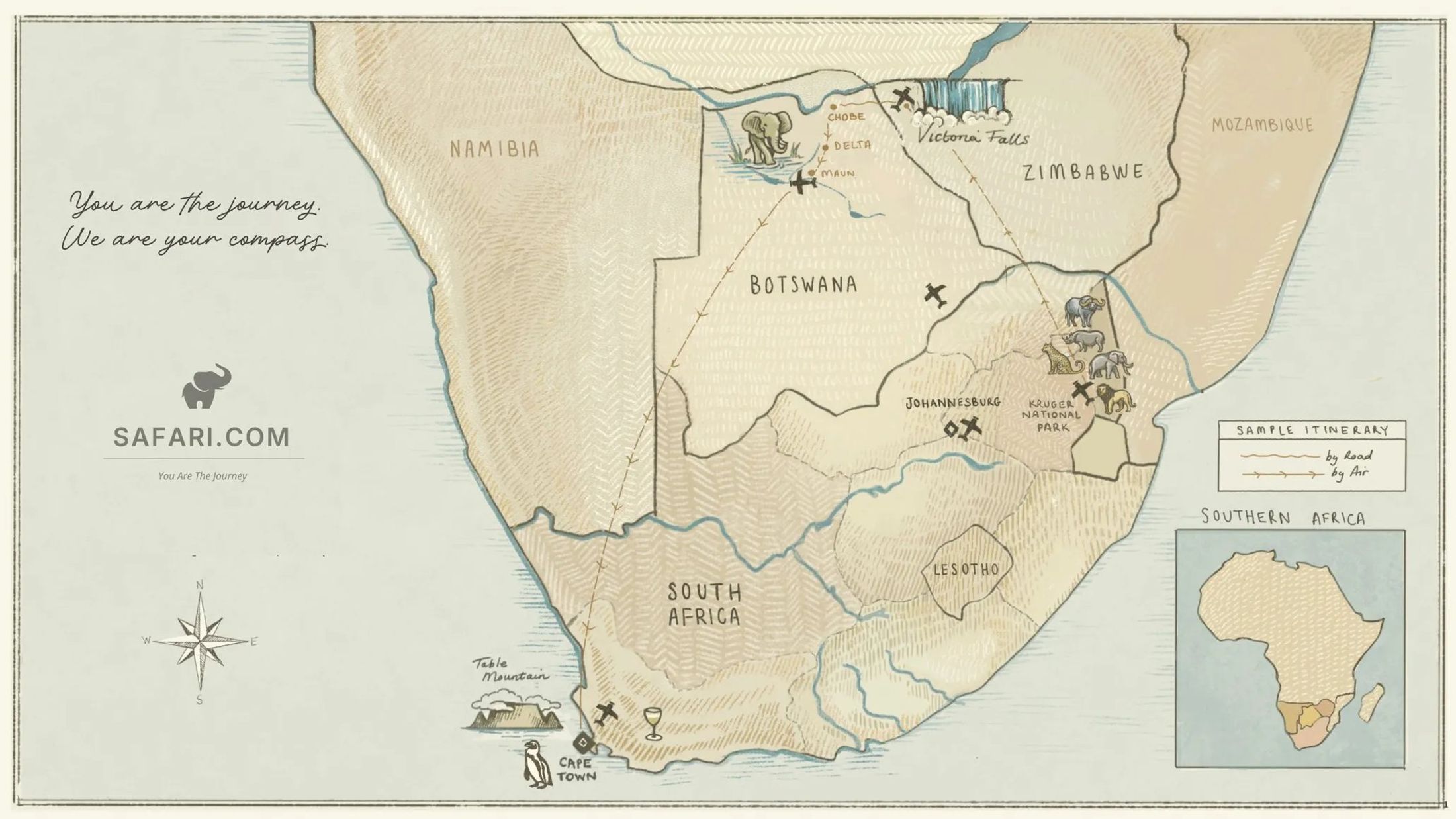
This is a guide to timing one specific journey: the classic Southern African safari route that strings together the Big Five in the Greater Kruger, the Okavango Delta and Chobe in Botswana, the thunder of Victoria Falls, and Cape Town. Four stops, one trip, linked by short flights.
The trick is hitting all four at their best in one go. The route runs on the dry season, roughly April to October, with a nuance worth knowing: the peak months of June to October give the best wildlife, while the shoulder of April and May is the best of both worlds when you are combining bush and city. The green summer, November to March, is the value season and Cape Town's own finest window. Here is how to choose.
When to go: the route by season
Three seasons, three options, depending on what you want to optimise for. For this four-stop route the peak, June to October, maximises wildlife; the shoulder, April to May, best balances bush and city; and the green season, November to March, is the value option, with Cape Town at its summer best.
| Season | What to expect | For this route |
|---|---|---|
| Peak (June to October) | Dry and clear; animals concentrate at water for optimal viewing; busier lodges, higher rates | Maximum wildlife. Cape Town sits in its cool, quiet winter, with whales offshore |
| Shoulder (April to May) | Mild, the odd afternoon shower; the bush thins and game viewing is excellent; quieter lodges | The best of both worlds for bush and city, and good value |
| Green (November to March) | Lush and dramatic, with newborns and spectacular birdlife; fewer crowds, exceptional value | Best for Cape Town at its summer peak; the bush is greener and the Falls past their fullest |
The Greater Kruger
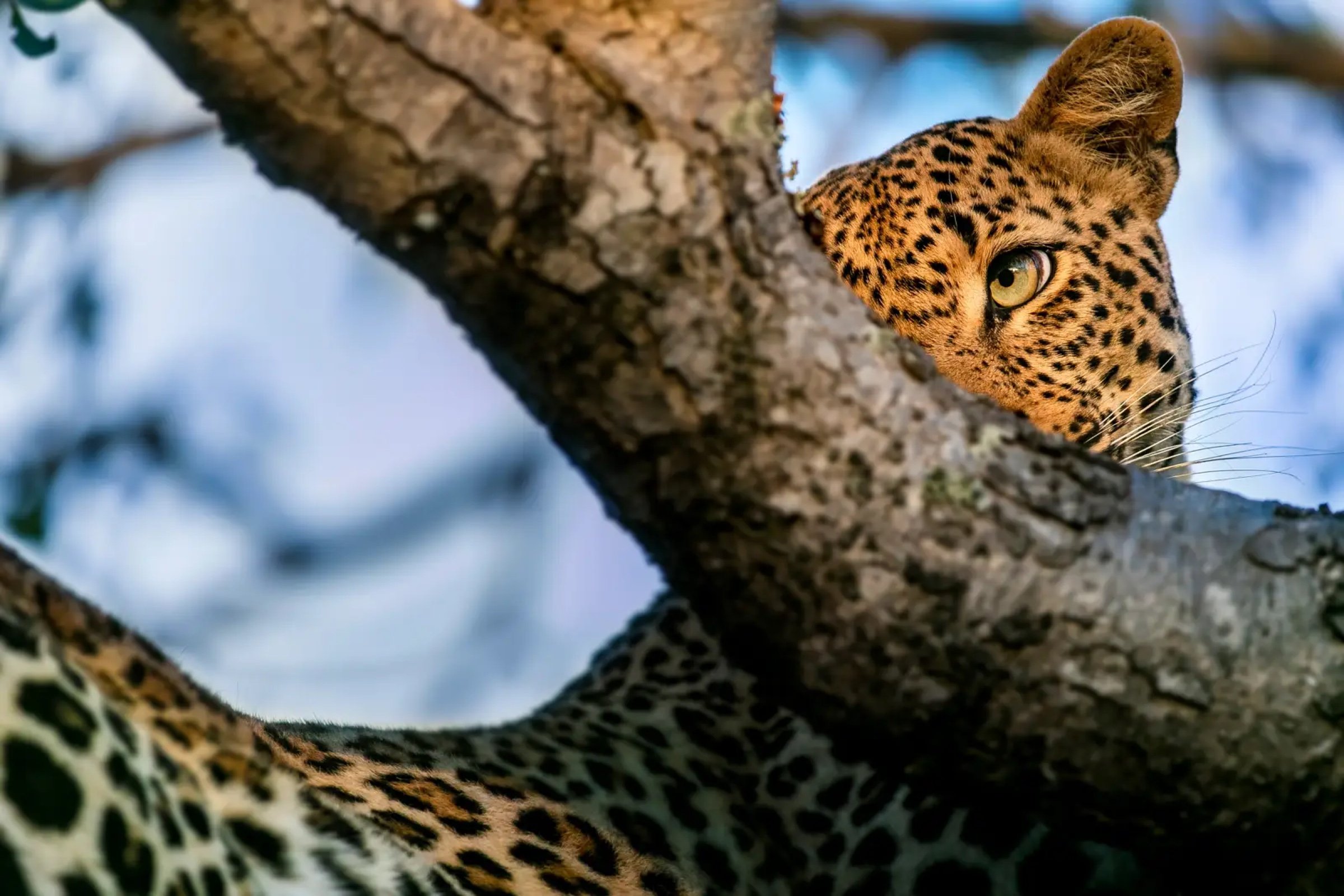
The route's bush leg is the Greater Kruger, the private reserves on the western edge of the Kruger National Park, with the Sabi Sand, the best place in Africa for leopard, at its heart. It is at its best across the dry season: June to October is the peak, when the grass thins and the animals gather at the water; April and May, the shoulder, are already excellent and far quieter.
For the full picture, see our guide to where and when to go in South Africa.
The Okavango Delta & Chobe
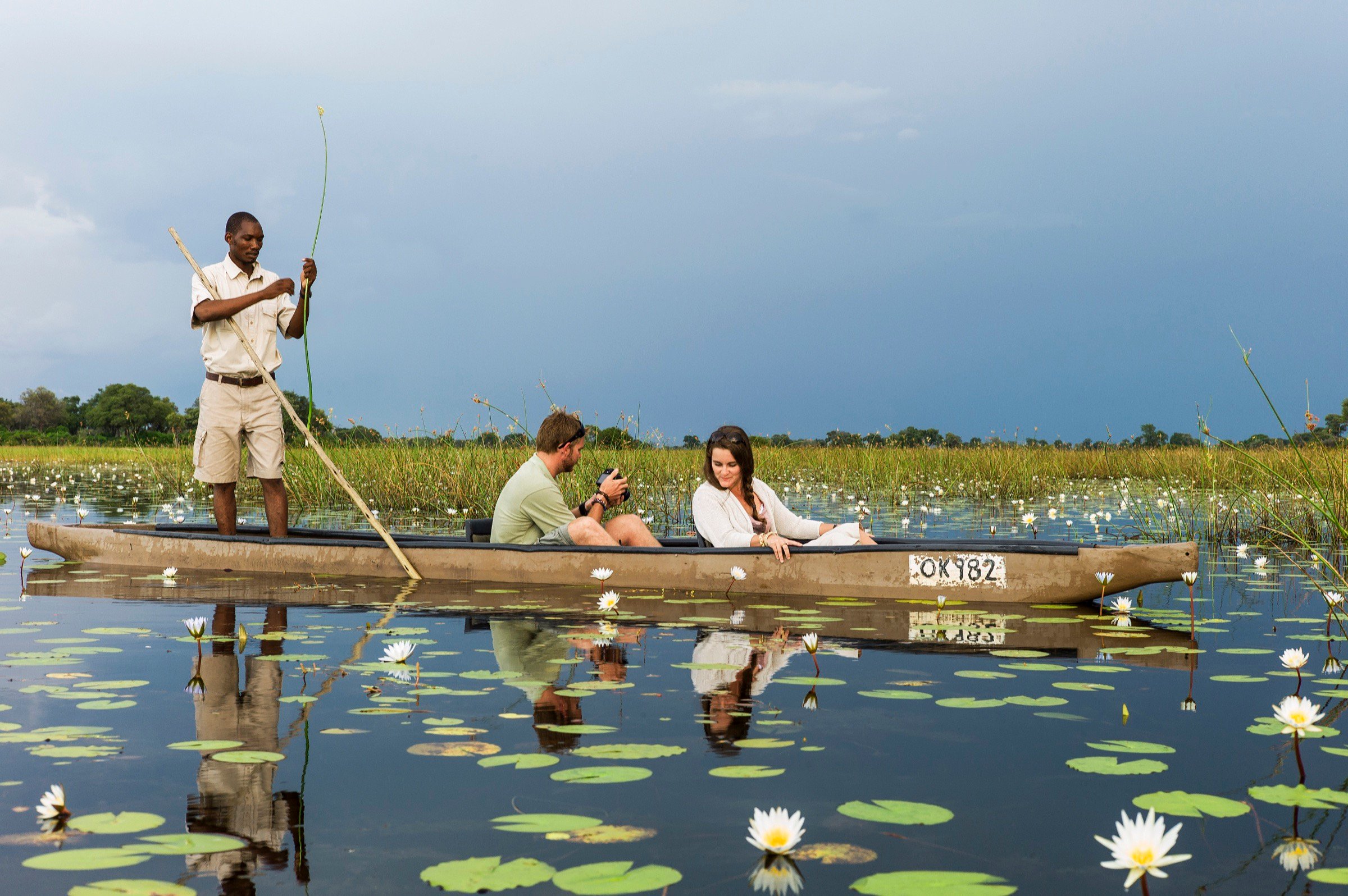
From the Kruger the route flies north into Botswana. The Okavango floodwaters arrive from May to August, filling the channels for mokoro and boat safaris just as the surrounding bush dries out and concentrates the game, and Chobe's elephants gather on the river. The Delta is squarely a dry-season experience, at its fullest from June to August.
For the full picture, see our guide to where and when to go in Botswana.
Victoria Falls
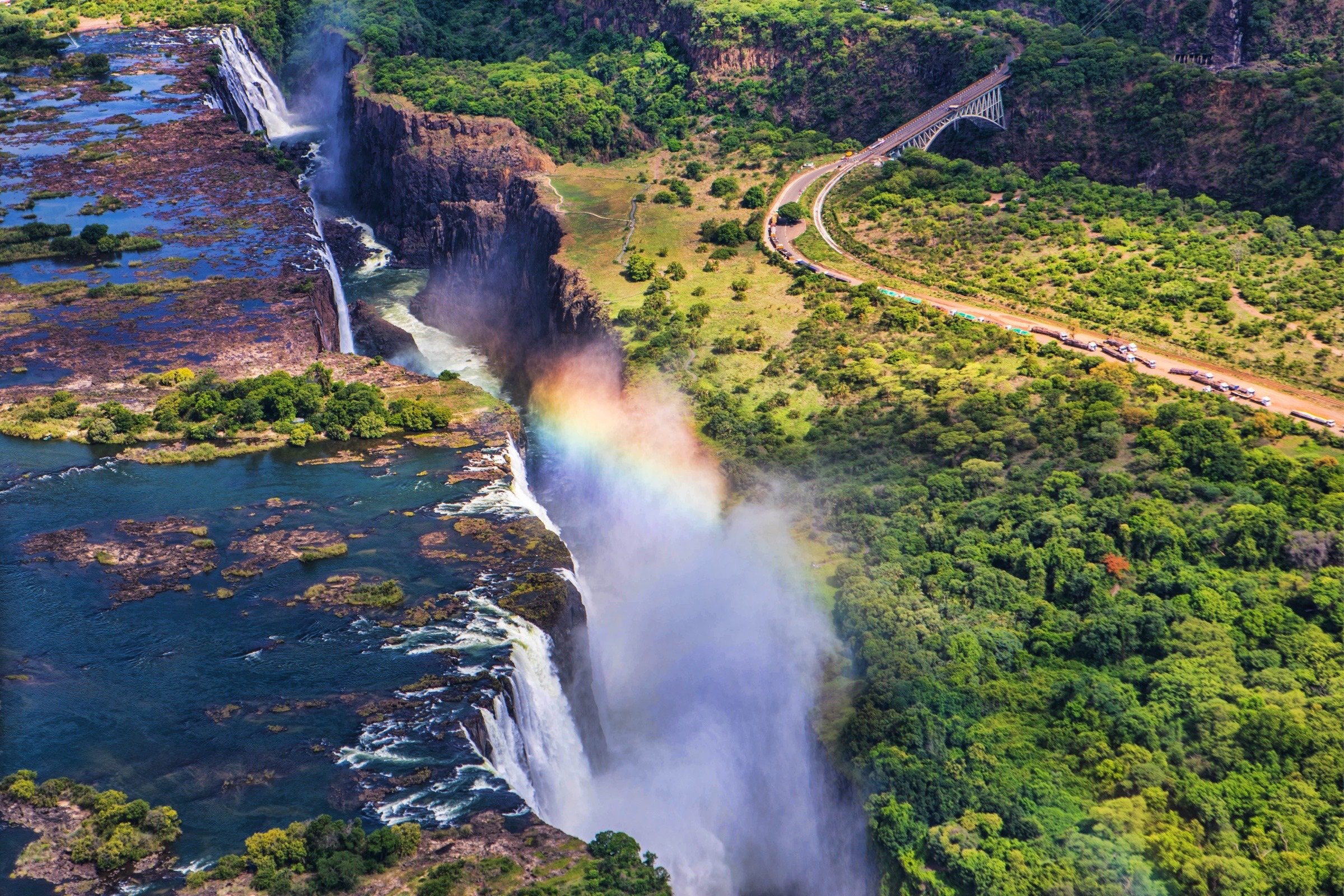
Botswana is a short hop from Victoria Falls, the natural finale. Here the timing tells its own story. The Falls are fullest from about February to May, after the rains, when the spray rises hundreds of feet, and they ease through the dry months. So the shoulder catches them near full power, while a peak-season visit trades some of the thunder for clearer views and the chance to swim at the lip in Devil's Pool. The surrounding safari, in Hwange and along the Zambezi, is best in the dry winter.
Cape Town & the Winelands
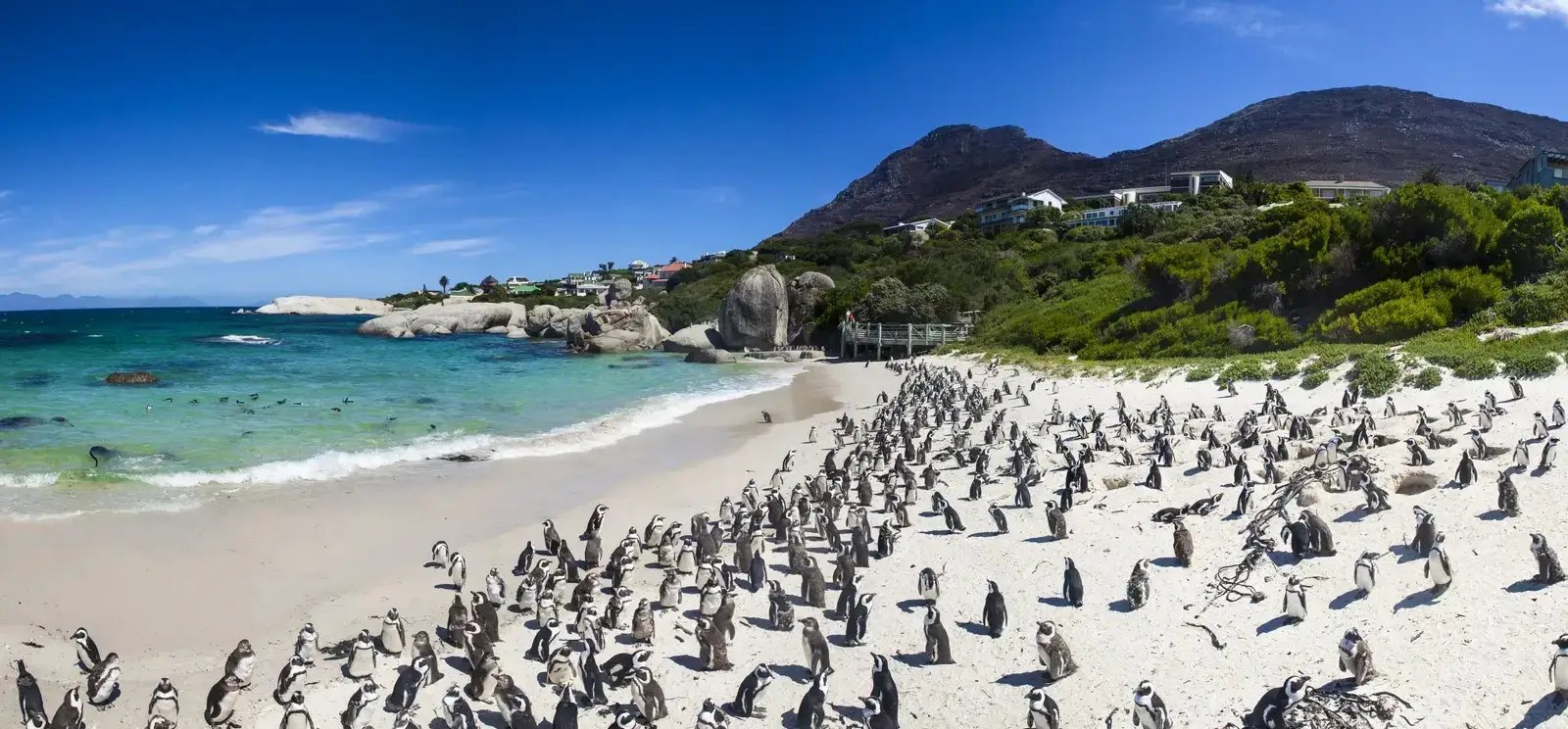
Cape Town is the one stop on a different clock. Its own best season is the summer, November to March, when Table Mountain is clear and the beaches, the Winelands and the Garden Route are at their finest. In the route's dry-season window it is cooler and quieter, pleasant in the April-to-May shoulder and crisp in the winter peak, when the southern right whales arrive off the coast from June to November.
For the full picture, see our guide to where and when to go in South Africa.
Choosing your season
If wildlife is everything, travel in the peak, June to October, and take Cape Town in its cool winter, with the whales as a bonus. If you are weighing bush and city equally, the shoulder of April and May is the sweet spot: excellent game viewing, thinner crowds, and Cape Town still pleasant, the best of both worlds. And if you want Cape Town at its summer peak and the best value, go in the green season, November to March, accepting a greener bush and the Falls past their fullest.
One honest caveat: Victoria Falls is fullest from February to May and thins through the dry months, so the wildlife sweet spot and the Falls-at-full-power window overlap mainly in April and May. If the Falls in flood are the priority, lean to the shoulder; if it is the game, lean to the peak.
The route works across the dry season, but the right month turns on which stop matters most to you. Get in touch with one of our safari specialists to time your Southern African journey so it hits every note.
Written by Safari.com Editorial