East Africa is where the safari was born. It is the Africa of the Great Migration and the Ngorongoro Crater, of gorillas in the volcanic mist and elephants beneath Kilimanjaro, spread across four countries that each offer something the others cannot. Kenya and Tanzania hold the classic plains game and the migration, Uganda and Rwanda hold the mountain gorillas, and the Indian Ocean coast holds the beaches that finish a safari.
The question is rarely whether to go, but when. East Africa runs on two rainy seasons rather than four neat ones, and the best time to travel depends on what you most want to see: the river crossings of the migration, a gorilla trek on a dry forest trail, or a stretch of warm coast at the end. This guide breaks the region down season by season, and country by country, so you can match the timing to the trip.
When to go: East Africa at a glance
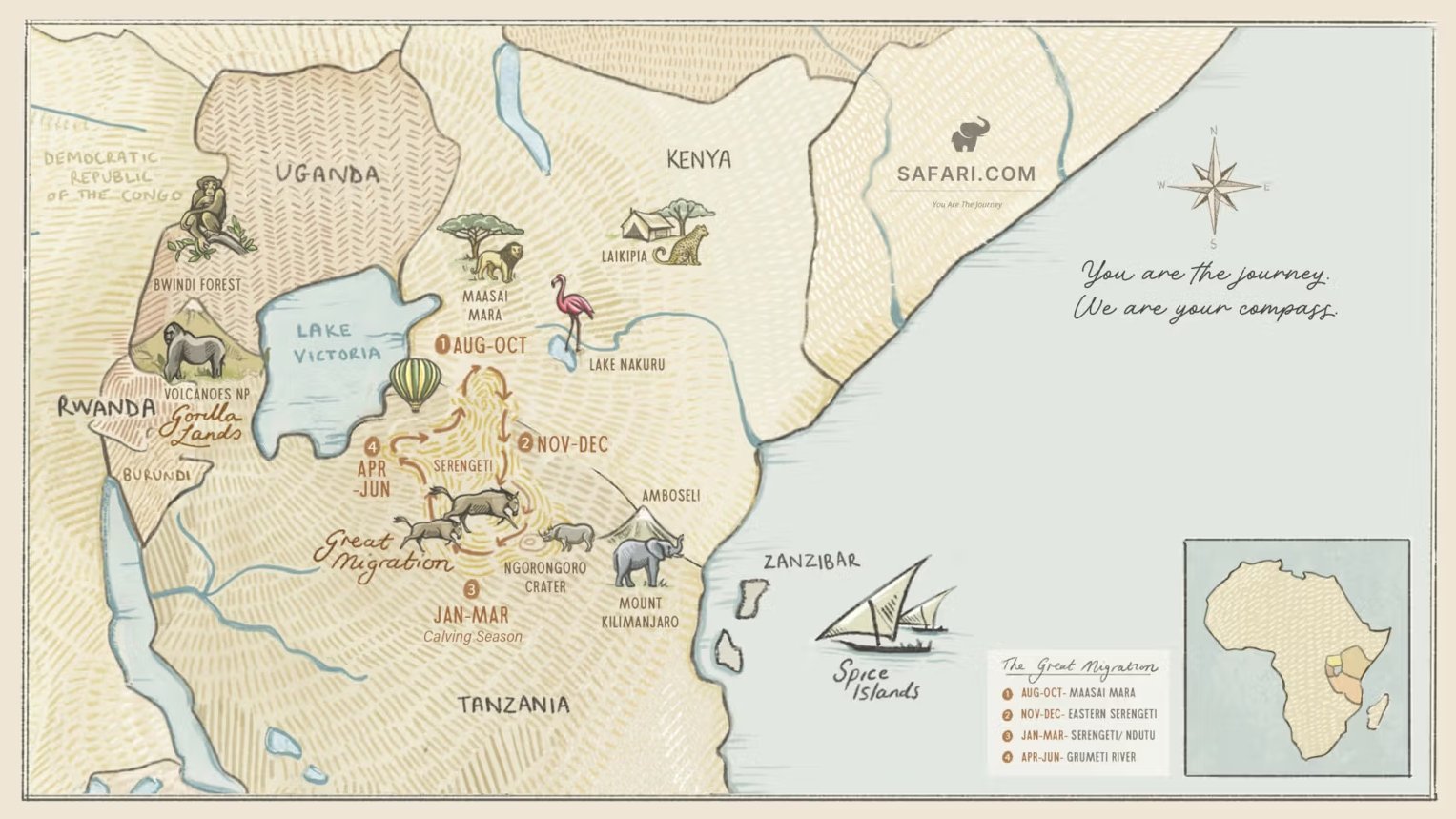
East Africa has two rainy seasons: the long rains from April to May and the short rains in November. The Great Migration's river crossings peak from July to October, gorilla trekking is easiest in the drier months of June to September and December to February, and the Indian Ocean islands are at their best from September to March.
| Experience or region | Best time | Notes |
|---|---|---|
| The Great Migration | June to October | Grumeti crossings May–Jul, Mara crossings Aug–Oct |
| Green season & calving | November to March | Calving in the southern Serengeti, Jan–Mar |
| Gorilla & chimp trekking | Jun–Sep, Dec–Feb | Drier forest trails |
| Indian Ocean beaches | September to March | Avoid the long rains |
| Quiet season & best value | April to May | Long rains; some camps close |
Combining East Africa
East Africa rewards combinations, linked by short flights and private charters. Most of our trips pair two or three of the countries. Four we plan often:
- The Eternal Migration: Tanzania (Serengeti and Crater) with Kenya's Maasai Mara. Around 10 nights.
- Primal and Pristine: Rwanda's gorillas with the beaches of Zanzibar. Around 8 nights.
- The Emerald Circuit: Uganda's primates and the Kazinga Channel with Kenya's Amboseli and Mara. Around 12 nights.
- The Grand East Africa: Rwanda's gorillas, Kenya's Mara and Tanzania's Crater. Around 14 nights.
The Great Migration and the dry season (June to October)
June to October is the classic East African safari season: dry, sunny, and the time of the Great Migration's famous river crossings.
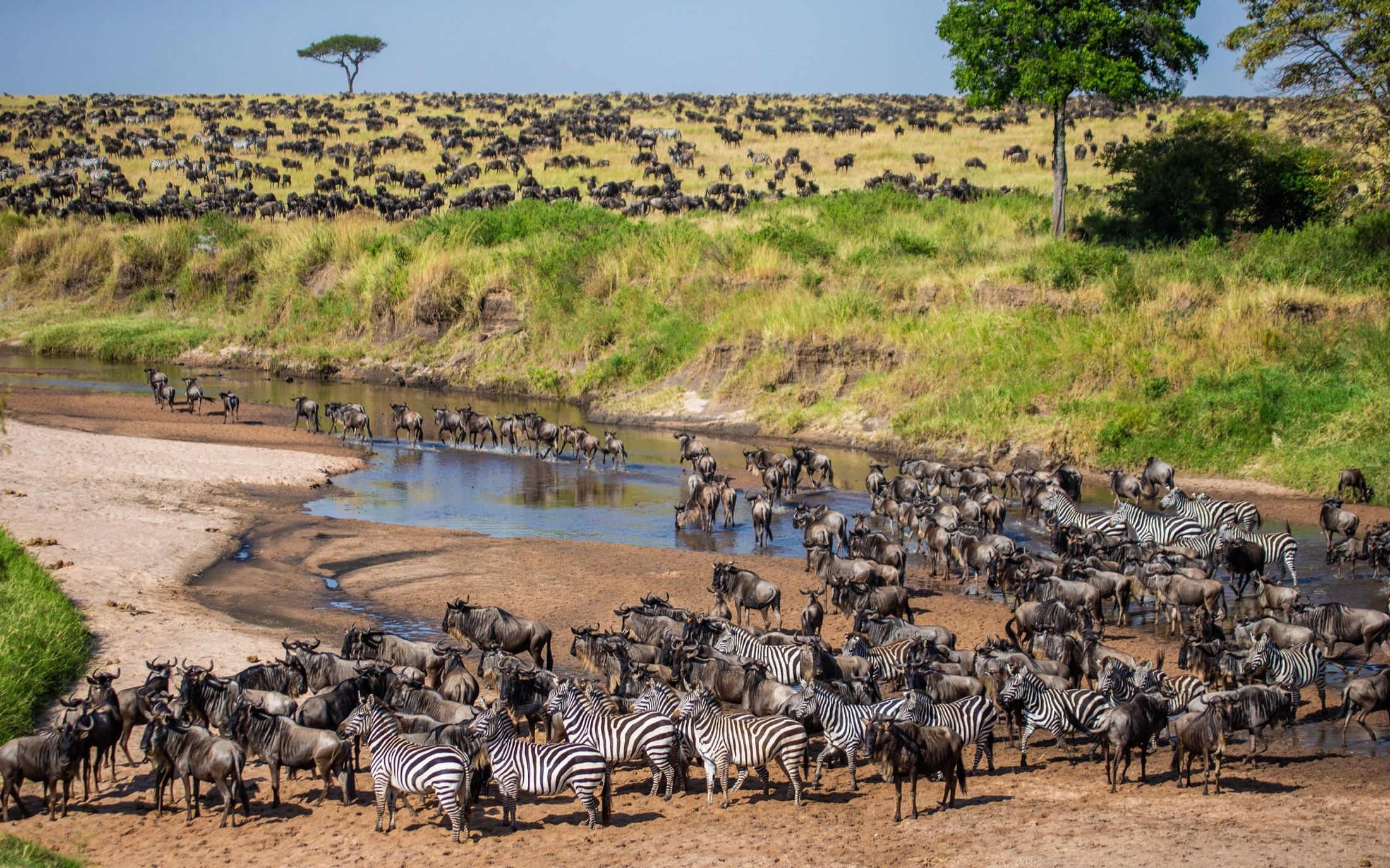
Each year more than 1.2 million wildebeest, joined by several hundred thousand zebra and gazelle, move in a vast circle through the Serengeti and the Maasai Mara in search of fresh grazing. The herds are somewhere in Tanzania's Serengeti for most of the year, but the river crossings fall in this window: the Grumeti, in the western Serengeti, from around May to July, then the Mara River, on the Kenya and Tanzania border, from roughly August to October. The crossings into Kenya's Maasai Mara, where crocodiles lie in wait, are the most dramatic wildlife spectacle in Africa.
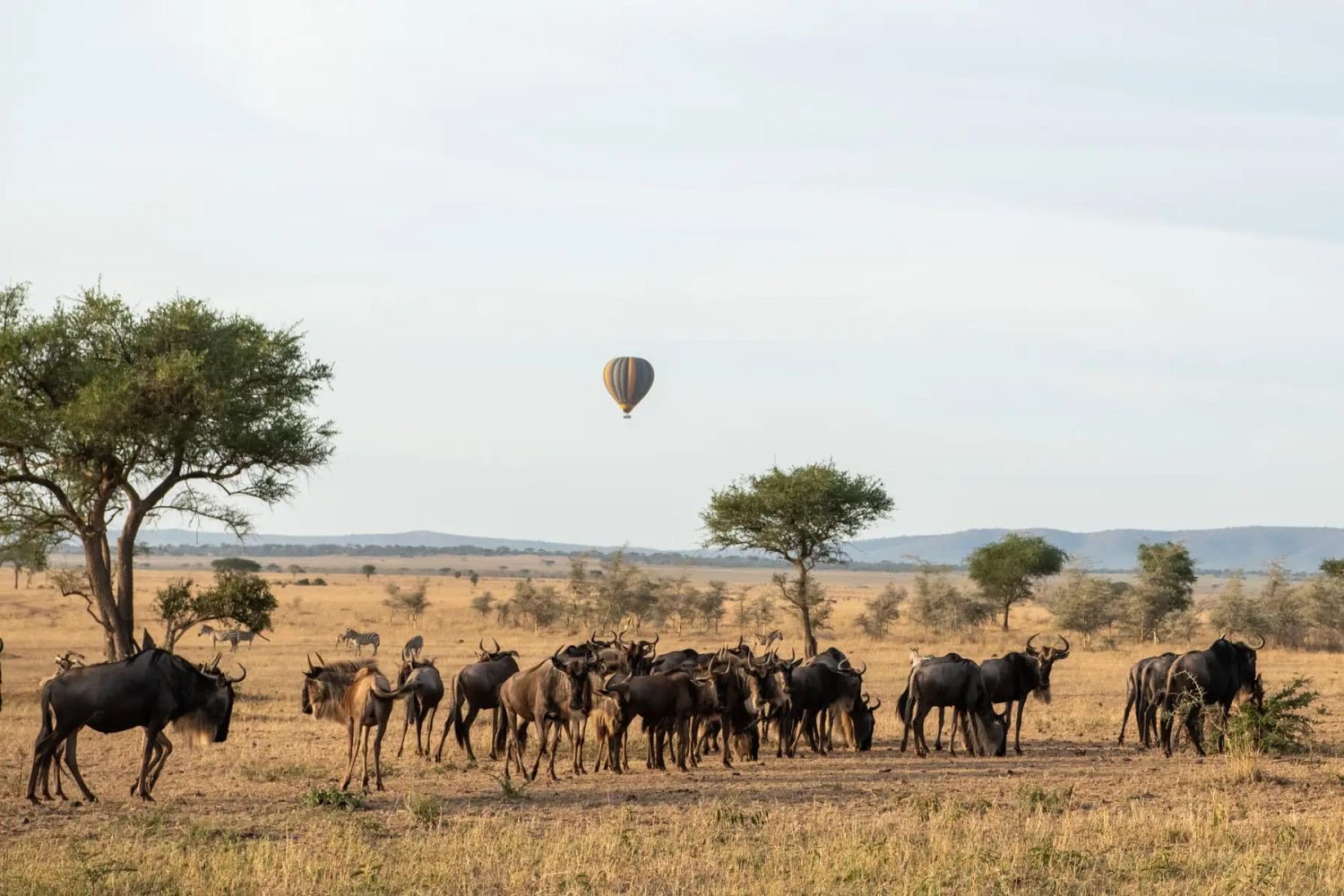
It is also the best general game-viewing window across the region. The bush is thin and dry, water is scarce, and animals gather at rivers and waterholes, so sightings are reliable in the Serengeti, the Maasai Mara, Amboseli and the northern Kenyan conservancies alike. Days are warm and largely rain-free, though early mornings on game drives can be cold.
River crossings are never guaranteed on a given day, and the timing shifts year to year with the rains. For a month-by-month breakdown, see our guide to the Great Migration path.
The green season and calving (November to March)
From November to March the short rains green the plains, the crowds thin, and the southern Serengeti fills with newborns.
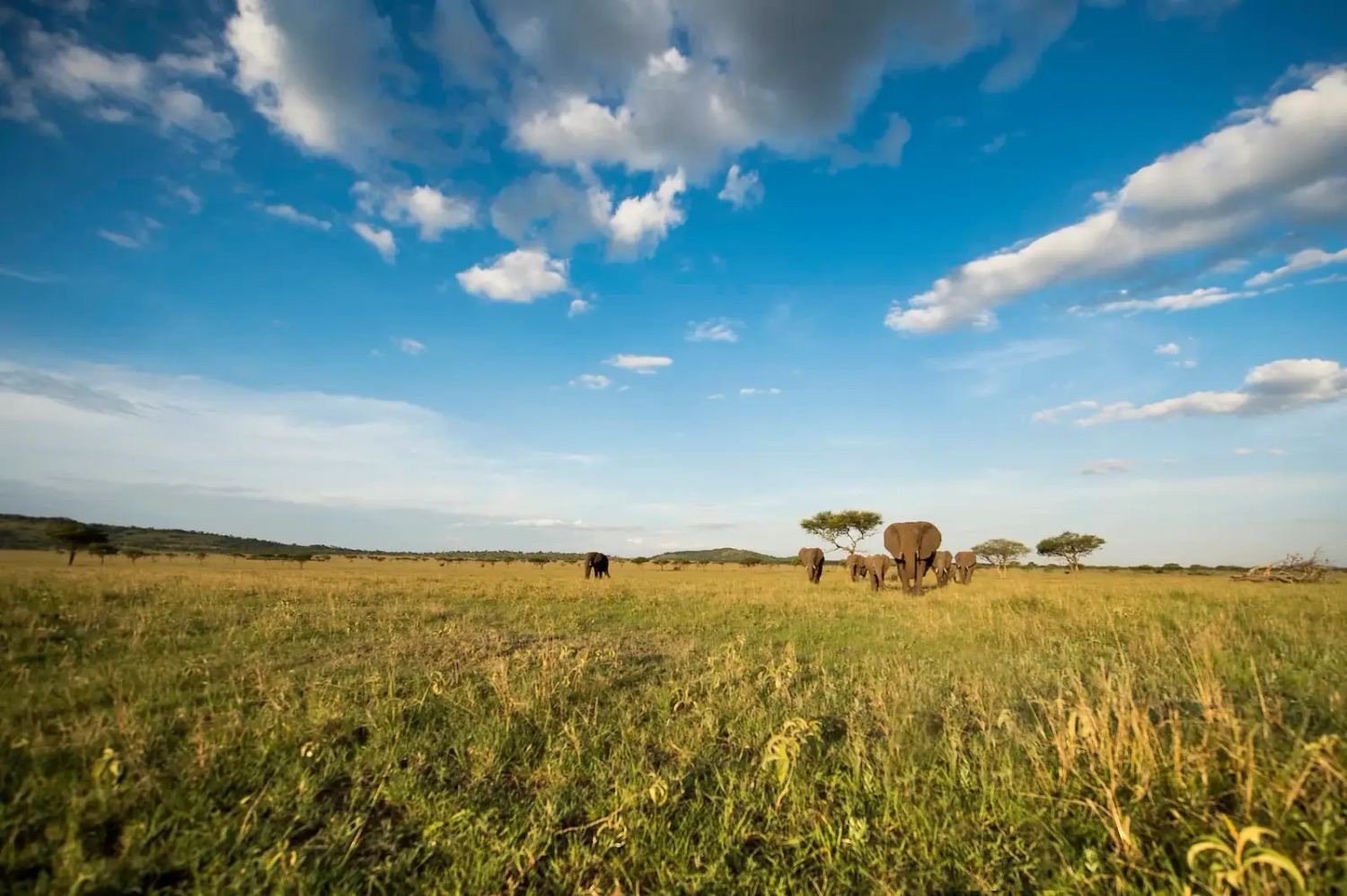
The short rains arrive around November and rarely disrupt a safari, falling as brief afternoon showers that pass quickly. They turn the landscape a deep green and bring migrant birds in their thousands. This is low-key, good-value safari time, with fewer vehicles at sightings.
The highlight comes from late January to March, when the wildebeest gather on the short-grass plains of the southern Serengeti and Ngorongoro to calve. Around half a million calves are born in a few weeks, and the predators follow close behind. It is the other great act of the migration, less famous than the crossings but just as compelling, and the beaches of Zanzibar are at their best at the same time.
The long rains (April to May)
April and May are the quietest and cheapest months, when the long rains fall and some camps close.
The long rains are heavier and more sustained than the short rains, and the bush grows thick, which makes game harder to spot. Some seasonal camps close, and a few roads become difficult. In return, the landscapes are spectacularly green, rates fall, and you can have famous reserves almost to yourself. For travellers on a budget, or those who value solitude over guaranteed crossings, it can still be a rewarding time to go.
Gorilla and chimpanzee trekking: when to go
Mountain gorillas in Uganda and Rwanda can be tracked all year, but the drier months, June to September and December to February, make for easier trekking.
Gorilla and chimpanzee trekking happens in high-altitude rainforest, so it can rain in any month. The drier windows, roughly June to September and December to February, mean firmer, less slippery trails and more comfortable walking. Permits are limited and booked well in advance in both countries, and we secure them for you before you travel.
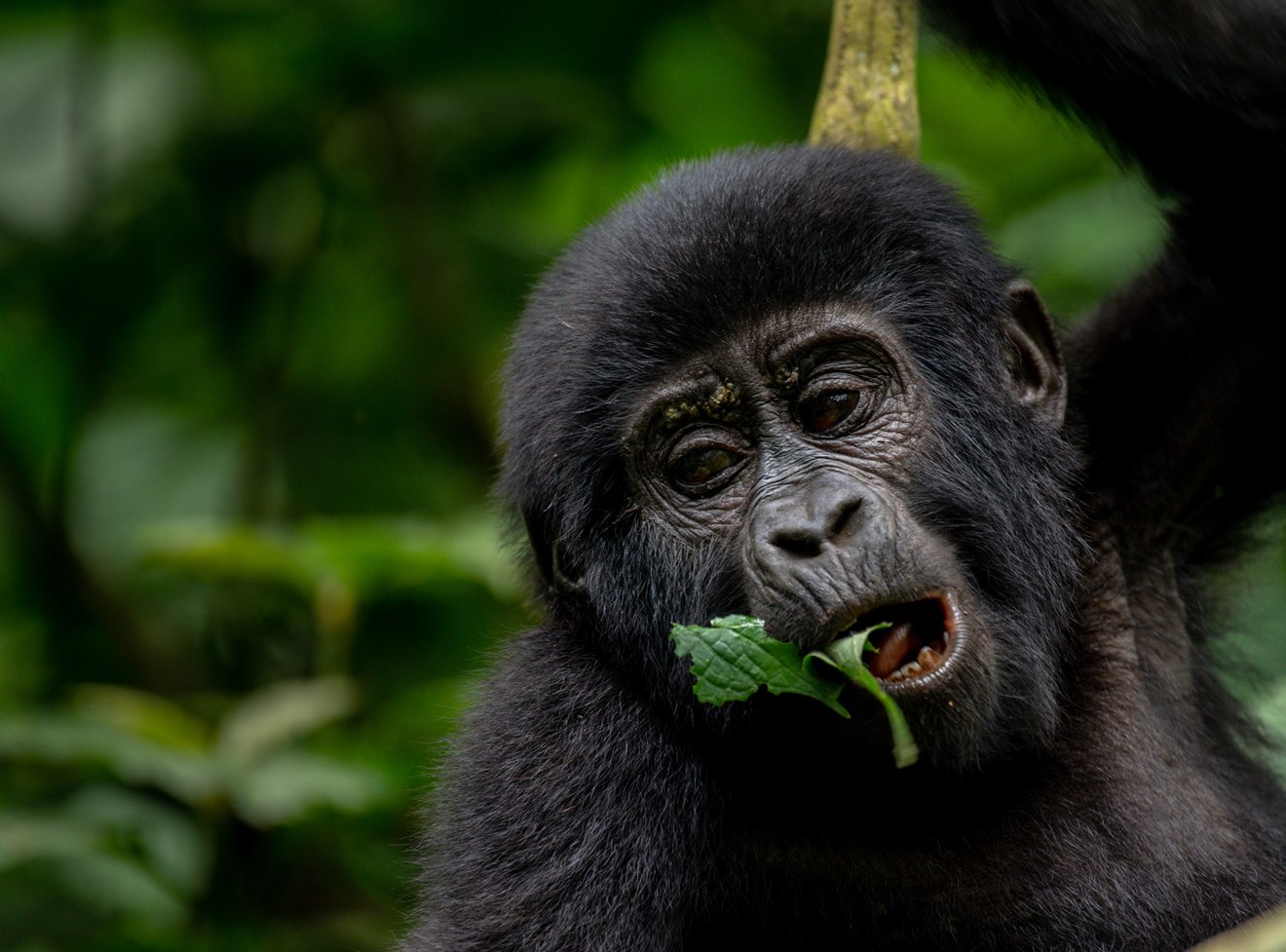
Rwanda offers the most polished experience, with short transfers from Kigali and a cluster of exceptional lodges around Volcanoes National Park. Uganda is wilder and better value, with gorillas in Bwindi, chimpanzees in Kibale, and tree-climbing lions in Ishasha. Either pairs naturally with the migration or a beach finish.
Bush to beach: the Indian Ocean (September to March)
The Indian Ocean islands are at their finest from September to March, the natural finish to an East African safari.
Zanzibar, Mnemba and the wider coast are warm and dry from September through March, and again briefly in the dry mid-year window. The long rains of April and May are the one stretch to avoid for a beach stay. After the dust and early starts of the bush, a few nights on the coast, with its silk sand, spice-scented stone towns and turquoise water, is the classic way to end the trip.

Know before you go
A few practicalities worth knowing before you travel:
- Luggage: internal flights are on light aircraft, so pack soft-sided bags to a 15 to 20 kg (33 to 44 lb) limit.
- Health: much of East Africa is a malaria area, so speak to your doctor, and a yellow fever certificate is often required for entry.
- Packing: think neutral layers in khaki, olive and stone; for trekking, bring sturdy boots and long sleeves.
- Permits: gorilla and chimpanzee permits are included in your itinerary and secured in advance, so your place in the forest is guaranteed.
Whether your trip is built around the migration, the gorillas, the Indian Ocean, or all three, the timing is what makes it work. Having read the seasons above, get in touch with one of our safari specialists to build your East African journey around the right window for you.
Written by Safari.com Editorial