South Africa offers an enormous amount in one country: the Big Five in the bushveld, Cape Town and the Winelands, the Garden Route, whales off the coast, and some of the best lodges in Africa at every price. And it is a fantastic destination all year round.
The only real question is what you want to optimise for. The bush and the Cape run on opposite seasons, so the best time to travel depends on the region and the experience you are after. The table below, and the regions that follow, show what each one offers across the year.
New to safari? Start with our step-by-step guide to your first safari in South Africa.
When to go: South Africa at a glance
There is no bad time for a South African safari, only different ones. The bush and the Cape run on opposite seasons, so the real question is less when to go than what you want the trip to optimise for. Here is what each region offers across the year.
| Region | When | Best for |
|---|---|---|
| Kruger National Park & Sabi Sand | May to October | Pure safari, with wildlife viewing at its peak |
| Kruger National Park & Sabi Sand | November to April | Green and hot, wildlife still good; ideal paired with Cape Town |
| Cape Town & the Winelands | November to March | Table Mountain, beaches, vineyards and the Boulders penguins |
| Cape Town & the Winelands | June to August | Cooler and quieter, and peak whale season |
| Eastern Cape & Garden Route | November to March | The Garden Route at its summer best, with safari alongside |
| Eastern Cape & Garden Route | June to November | Southern right whales offshore, and the Big Seven |
| KwaZulu-Natal | April to October | Big Five and rhino, prime bush season |
| KwaZulu-Natal | November to March | The coast: turtle nesting, humpbacks and diving |
Kruger National Park & the Sabi Sand
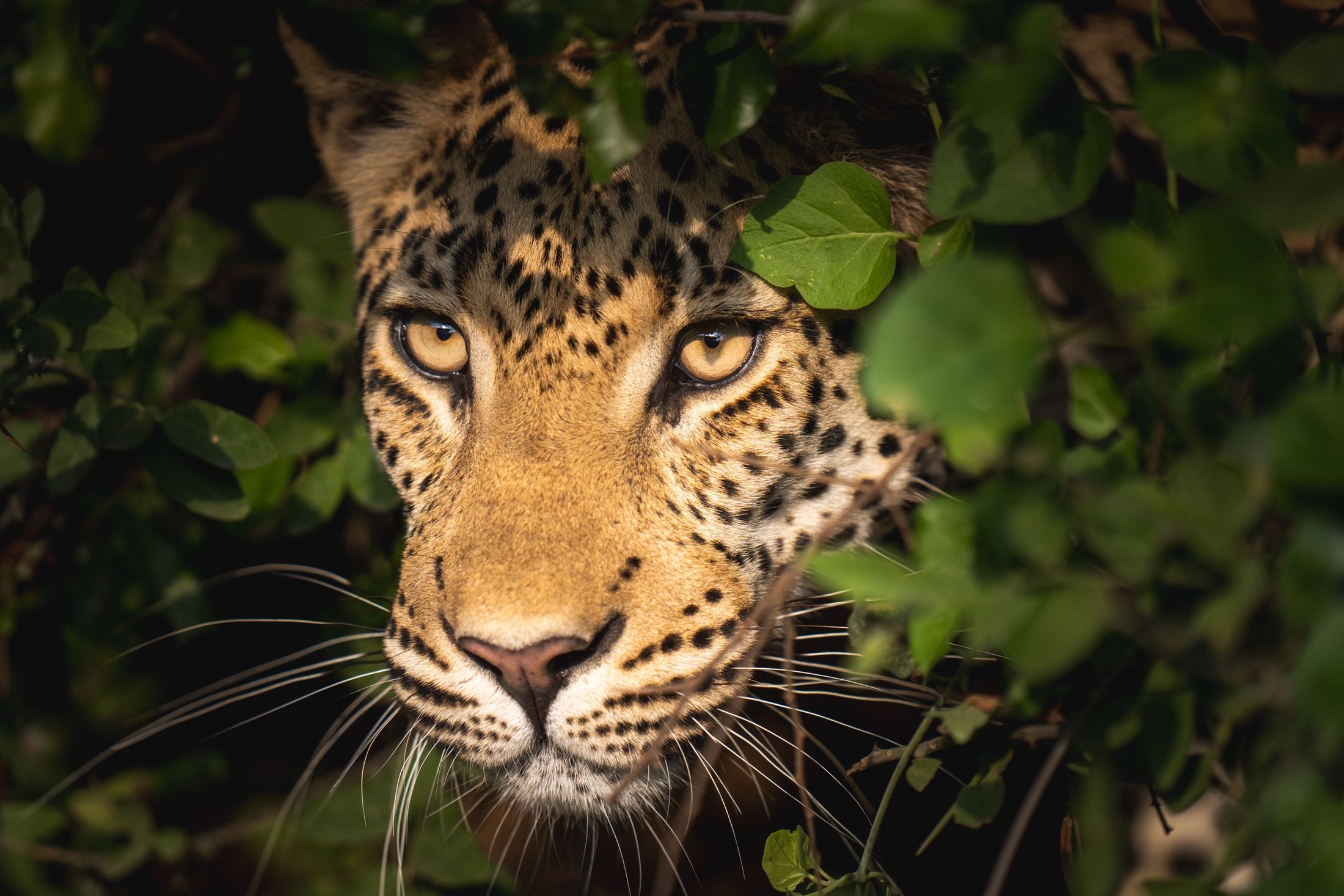
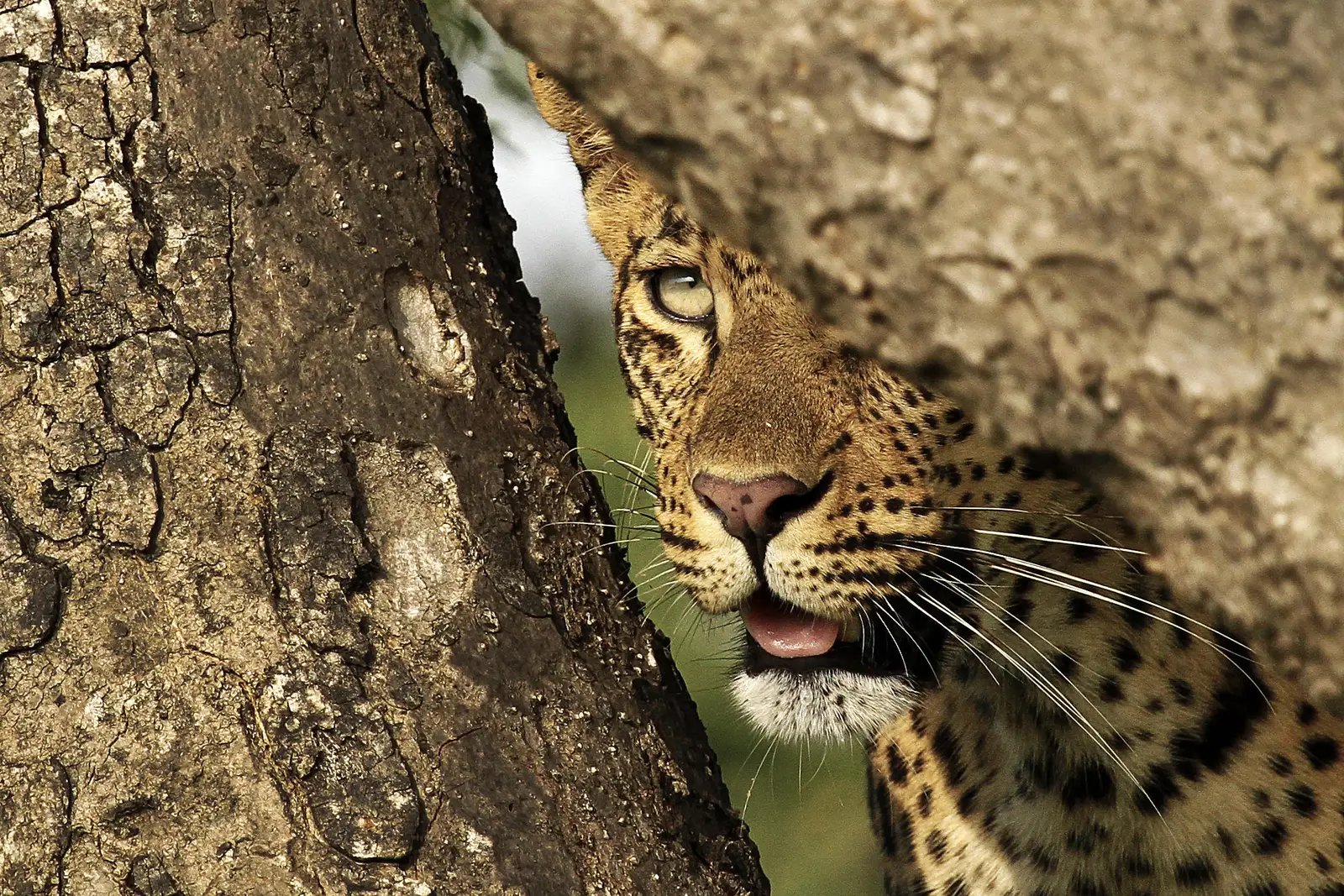
The Kruger is the country's safari heartland: vast, affordable and reliable for the Big Five, and rewarding all year. It is the rare reserve you can do either way, on a budget self-drive between its rest camps or from a private fly-in lodge. The Greater Kruger, the unfenced private reserves on its western edge, adds off-road traversing and the night drives the national park does not allow, and within it the Sabi Sand is the premier private reserve, arguably the best place in Africa to find leopard.
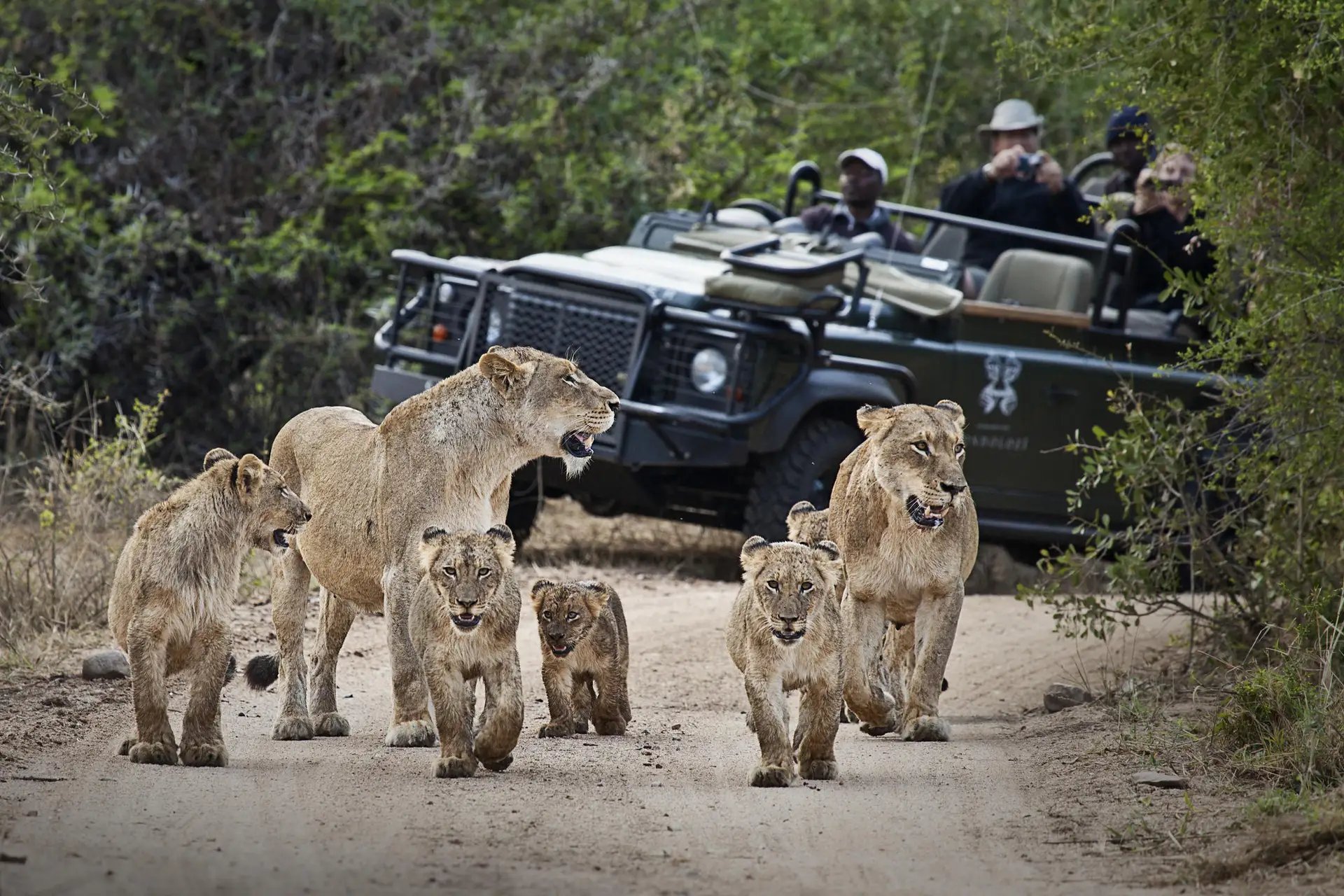
May to October, the dry winter, is pure safari. The bush thins, water grows scarce and the animals concentrate, so sightings come thick and fast. The big-cat-rich south is the most accessible and the busiest; the far north is quieter. Mornings on an open vehicle are genuinely cold, so pack warm layers.
November to April, the green summer, is hotter and lusher. High summer can be oppressive and the thicker bush makes game harder to spot, but the wildlife is still good, the newborns and migrant birds arrive, the far north comes into its own for birds and big tuskers, and rates fall by 30 to 50 per cent. It is also the natural time to pair the bush with a few cooler days in Cape Town.
Cape Town & the Winelands
Cape Town, the Winelands and the coast are the cultural and scenic anchor of most South African trips, and they run on the opposite clock to the bush. Table Mountain, the beaches, the vineyards of Stellenbosch and Franschhoek, the Boulders penguins and the start of the Garden Route are all here.
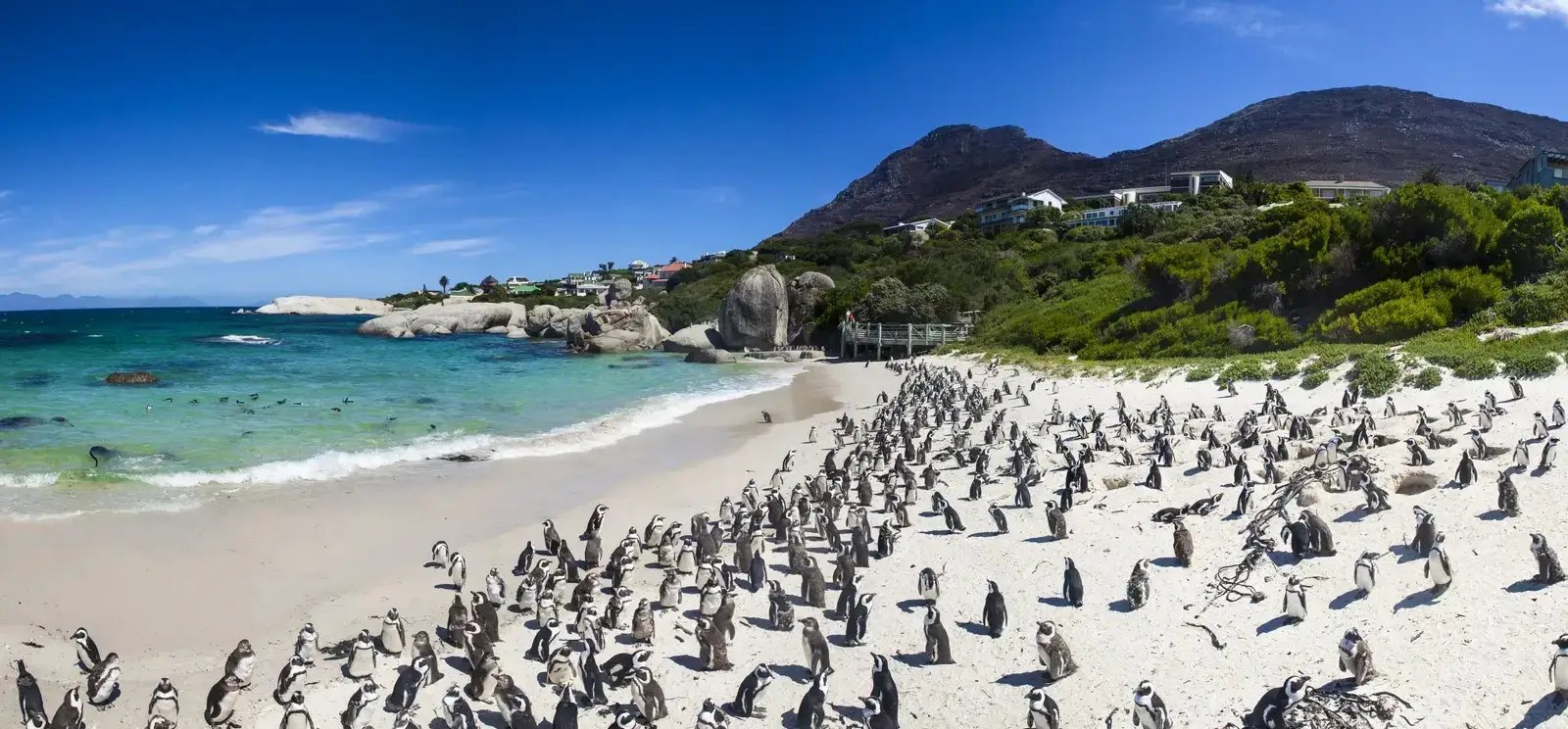
November to March is the Cape's dry, warm summer, when Table Mountain is clear, the beaches and Winelands are at their finest, and the Garden Route is made for a self-drive. Because this sits opposite the bush's peak, a summer trip leans Cape-heavy, with a green-season safari alongside.
The Cape's winters, June to August, are cool and wet, but they bring the year's other highlight: southern right whales arrive along the coast from June to November, peaking in July and August, with the Hermanus whale festival in late September. Even the off-peak season has its reason to go.
The Eastern Cape & Garden Route
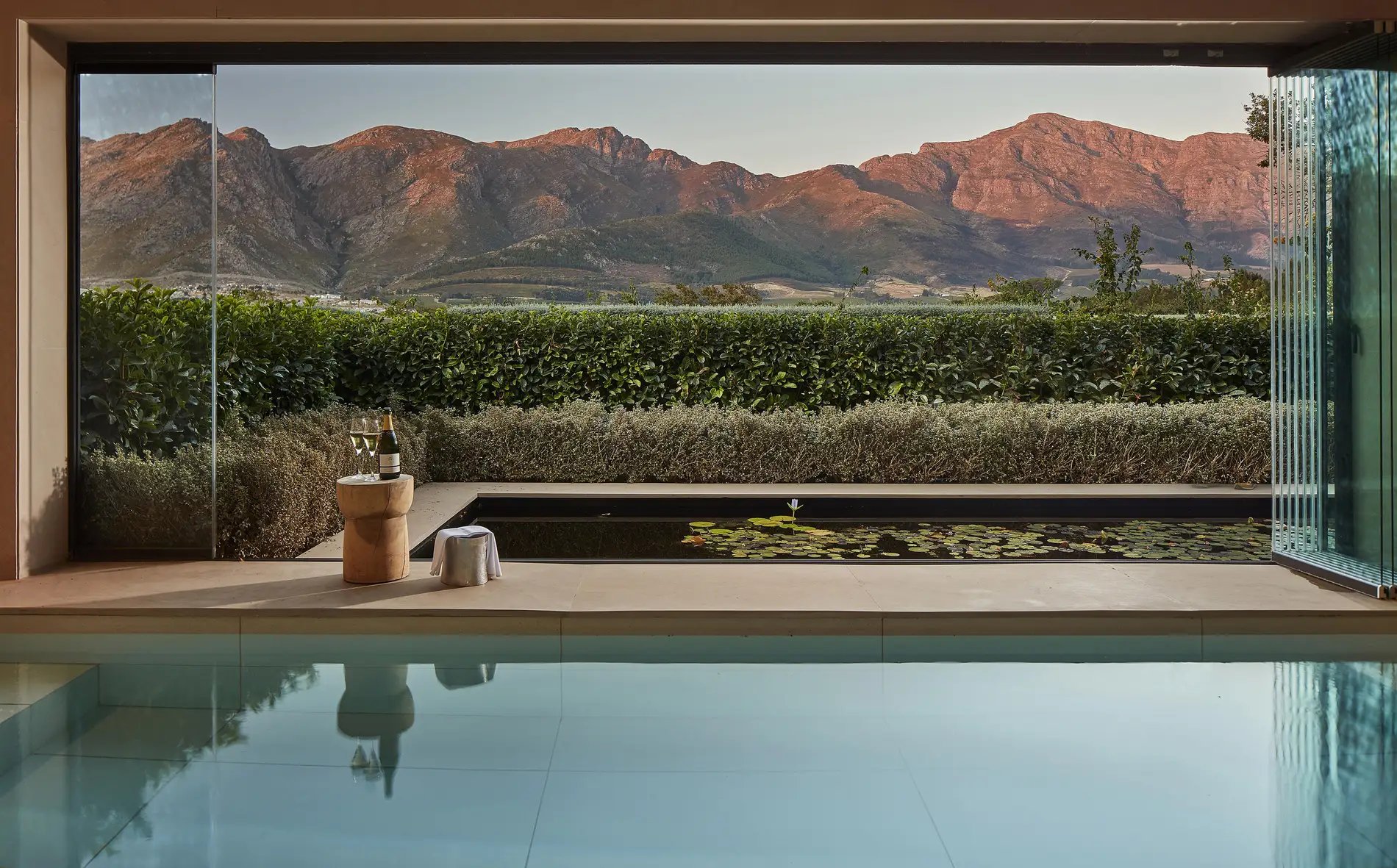
The Eastern Cape pairs a Big Five safari with the forests, lagoons and beaches of the Garden Route self-drive, around Addo and Gqeberha. It is the one corner of the country where you can aim for the Big Seven, the Big Five plus the great white shark and the southern right whale.
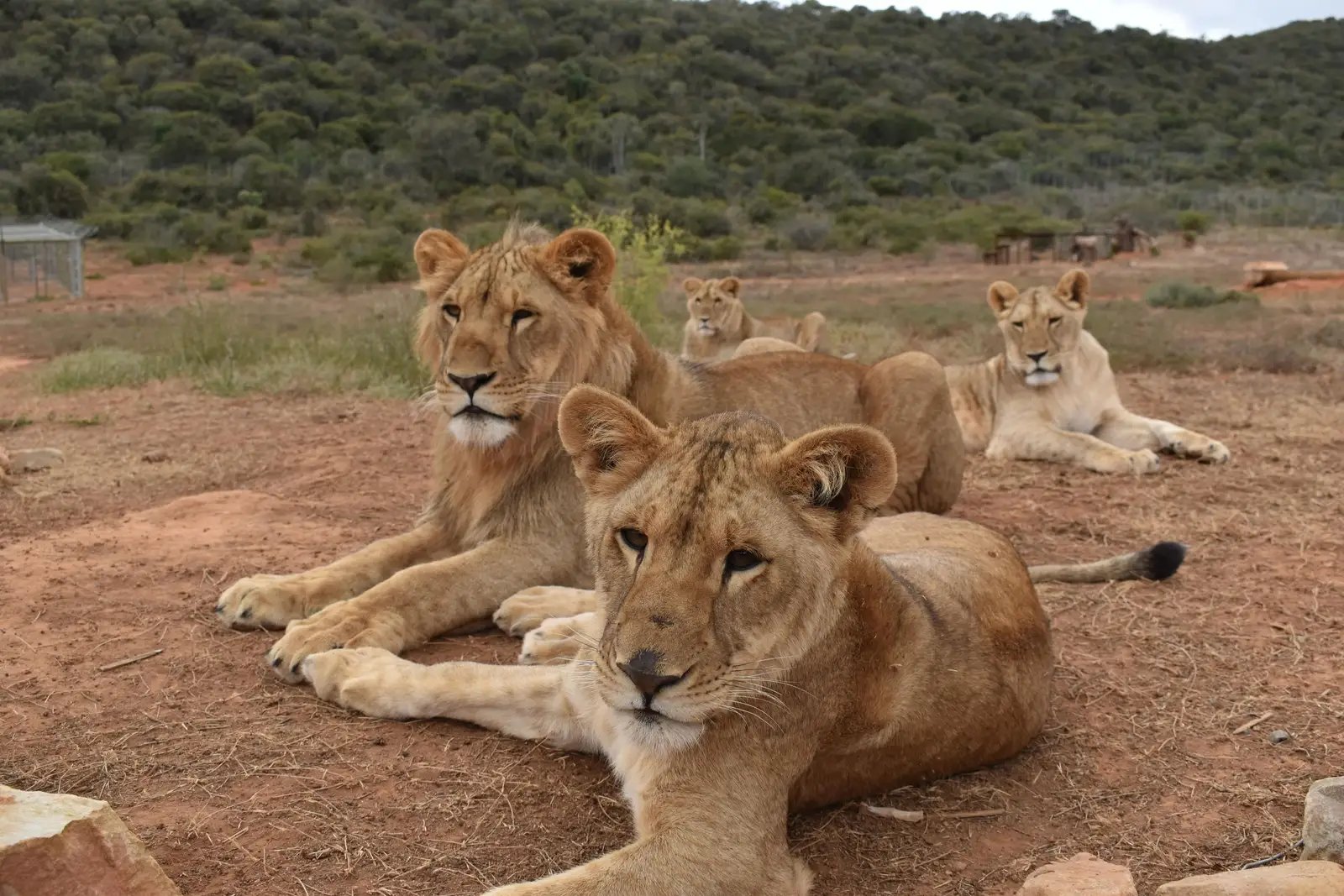
The reserves are good for game much of the year. The Garden Route is at its best in the Cape summer, November to March, and the southern right whales are offshore from June to November. It joins up naturally with Cape Town at the western end of the route.
KwaZulu-Natal
KwaZulu-Natal pairs Hluhluwe-iMfolozi, the birthplace of rhino conservation, with the iSimangaliso Wetland Park, a UNESCO World Heritage Site on the warm Indian Ocean coast: Big Five and rhino in the bush, and turtles, whales and reef on the coast.
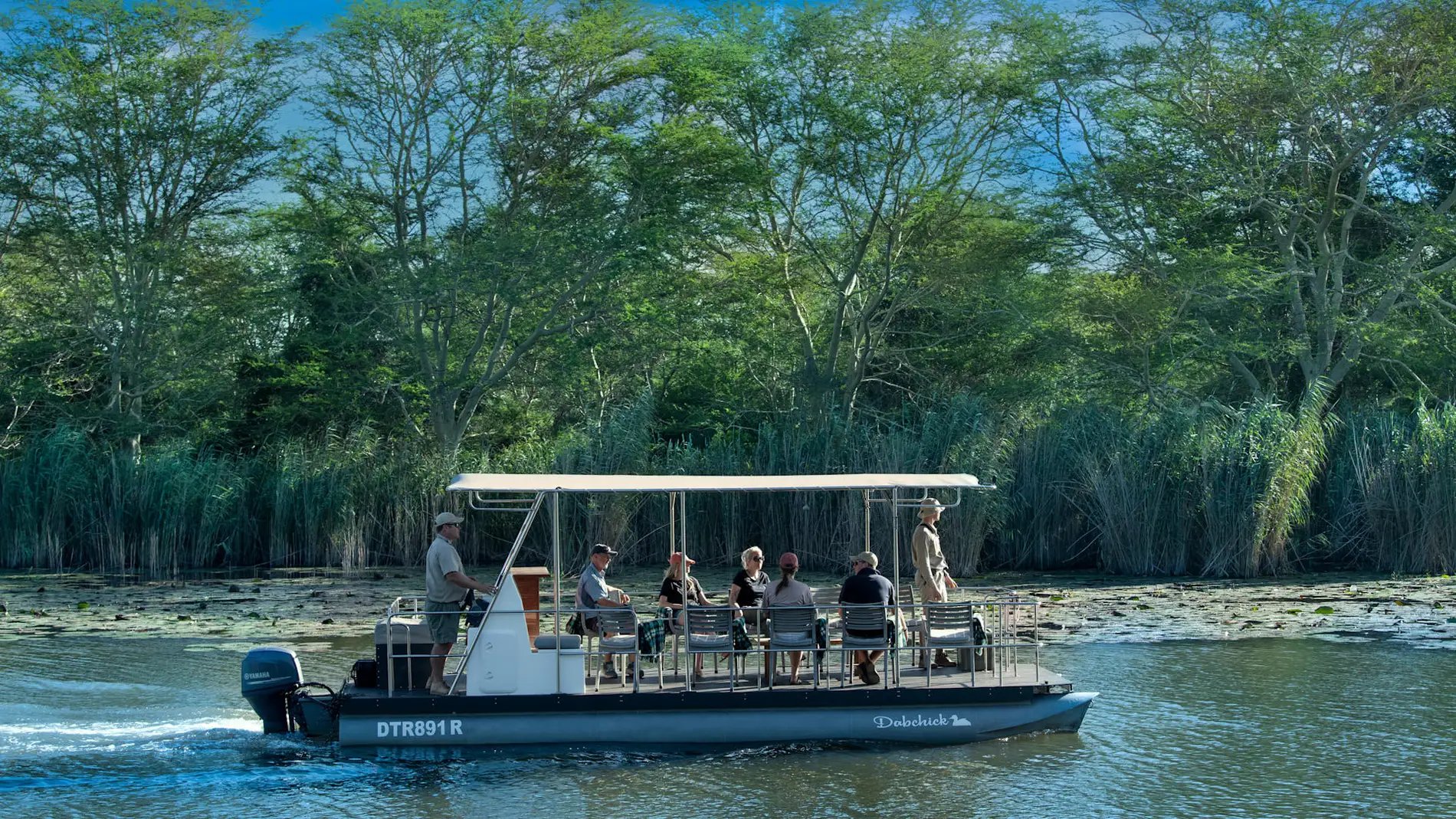
The bush is best from April to October, the dry winter. The coast runs on the opposite clock: turtles nest from November to March, and humpback whales pass offshore through the winter. The bush and the beach each have their own season.
Combining South Africa
South Africa's real appeal is the combination. Short flights link the bush, the city and the coast, so most of our trips pair two or three. Four we plan often:
- Bush and city: the Kruger or Sabi Sand for the Big Five, then Cape Town and the Winelands. The classic first trip, around 10 nights.
- Bush and the falls: the Kruger or Sabi Sand, then a short hop to Victoria Falls on the Zimbabwe or Zambia border, which is fullest from about February to May, when a full moon brings a lunar rainbow to the spray.
- Safari and the Garden Route: an Eastern Cape reserve with a self-drive along the Garden Route, finishing in Cape Town.
- Bush and beach: a Greater Kruger safari followed by the KwaZulu-Natal coast, or across to the Mozambique islands.
Whether your trip is built around the Big Five, the Cape, or both, the timing is what makes it work. Having read the seasons above, get in touch with one of our safari specialists to build your South African journey around the right window for you.
Written by Safari.com Editorial