Most popular
Where to go on safari.
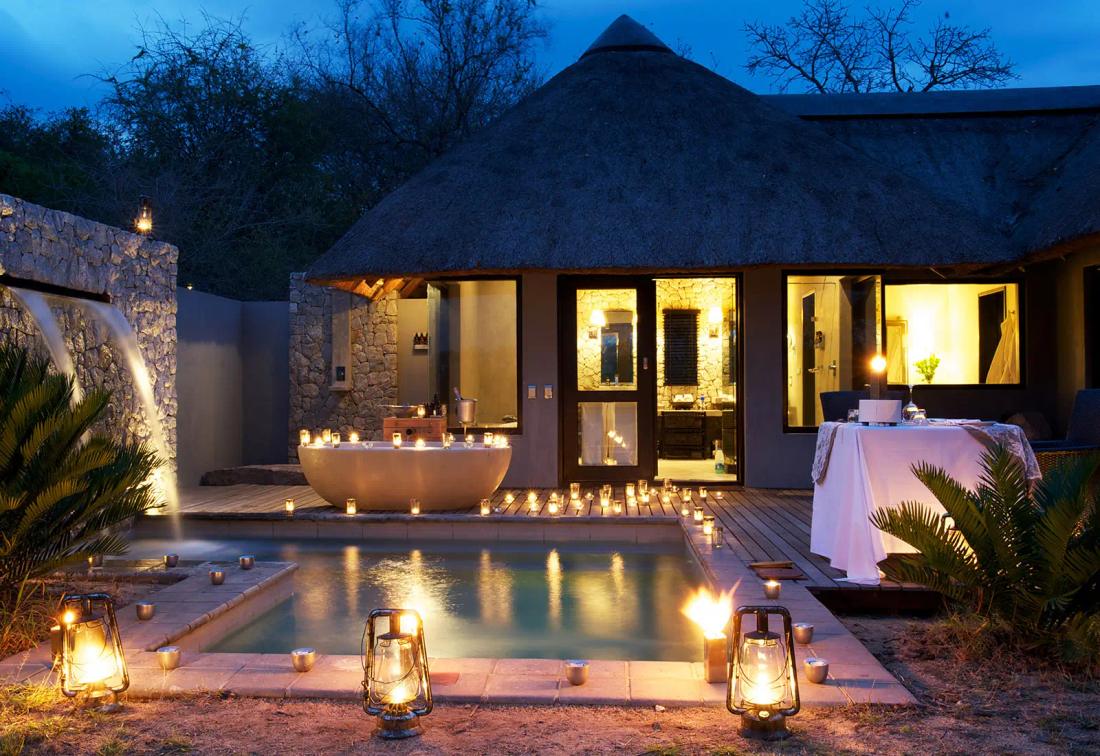
Greater Kruger
Guaranteed Big Five and the world's best leopard sightings
Sabi Sands Game Reserve
Most popular packages
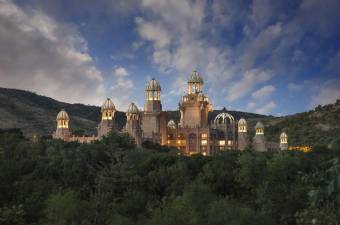
8 Day Sabi Sands Wildlife, Sun City Resort & Cape Town Explorer
Per person, from
R 97 350
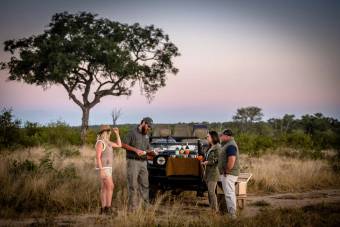
3-Day Big-5 Luxury Sabi Sand Fly-in Package
Per person, from
R 48 920
5 Day Luxury Kruger Park & Sabi Sand Safari
Per person, from
R 75 870
★★★★★ “Very helpful with itinerary and excellent arrangements of transport from and to Cape Town, and Idubi in Sabi Sands and Lukimbi in Kruger. Although a rep for Safari.com said a letter from a doctor was not required, such a letter IS REQUIRED to go on bush walks if older than 65. Fortunately, we checked the reserve web site and had a doctor's letter.” — Ray, Trustpilot
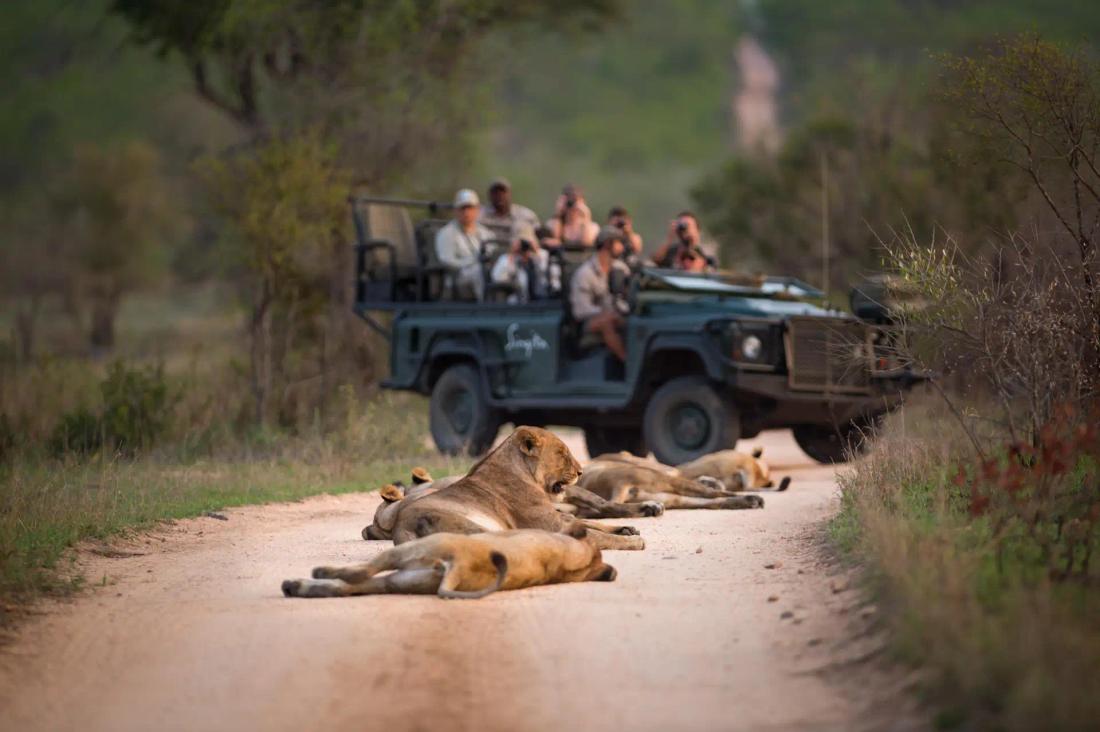
South Africa
Classic Big Five at every budget
Kruger National Park
Most popular packages
5 Day Luxury Kruger Park & Sabi Sand Safari
Per person, from
R 75 870
7-Day Ultra Lux Big-5 Sabi Sand & Kruger Park Safari
Per person, from
R 109 840
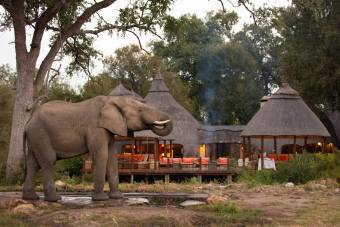
4 Day All-Inclusive Kruger Safari with Hoyo Hoyo
Per person, from
R 38 980
★★★★★ “Jolene was simply extraordinary. She put together what became an absolutely incredible African trip for us in the space of barely three weeks, and from the outset her responsiveness, knowledge and genuine enthusiasm were exceptional. Nothing was ever too much trouble, responses were almost immediate, and she very quickly understood exactly what we were looking for, our expectations and the way we like to travel. More than simply being an expert at what she does, Jolene genuinely cared about making the trip special for us, and that came through in every aspect of her planning. What particularly impressed us was the flexibility with which she brought everything together. We already had some of our own arrangements in place, including international flights and staying with friends in Cape Town, but Jolene seamlessly incorporated those into the overall itinerary and still organised all the surrounding logistics and transfers. The safari component she designed was outstanding, taking us through Kruger, Victoria Falls, Chobe and the Okavango Delta, before finishing in Cape Town and the Stellenbosch wine region. Every part flowed beautifully and the lodges, experiences and logistics were exceptional. Just as importantly, Jolene stayed in contact throughout the trip at all the key moments, which made travelling so much easier. She would check us in for our internal flights and send through the boarding passes, confirm transfers the day before each pick-up, and make sure everything was in place before we ever had to think about it. That attention to detail, and the fact that she was always one step ahead, removed so much of the usual travel stress and allowed us simply to enjoy the trip. It was genuinely the trip of a lifetime, put together in an extraordinarily short timeframe, and Jolene deserves enormous credit for making it all happen. We could not recommend her highly enough.” — Lynton & Lisa Mortensen, Trustpilot
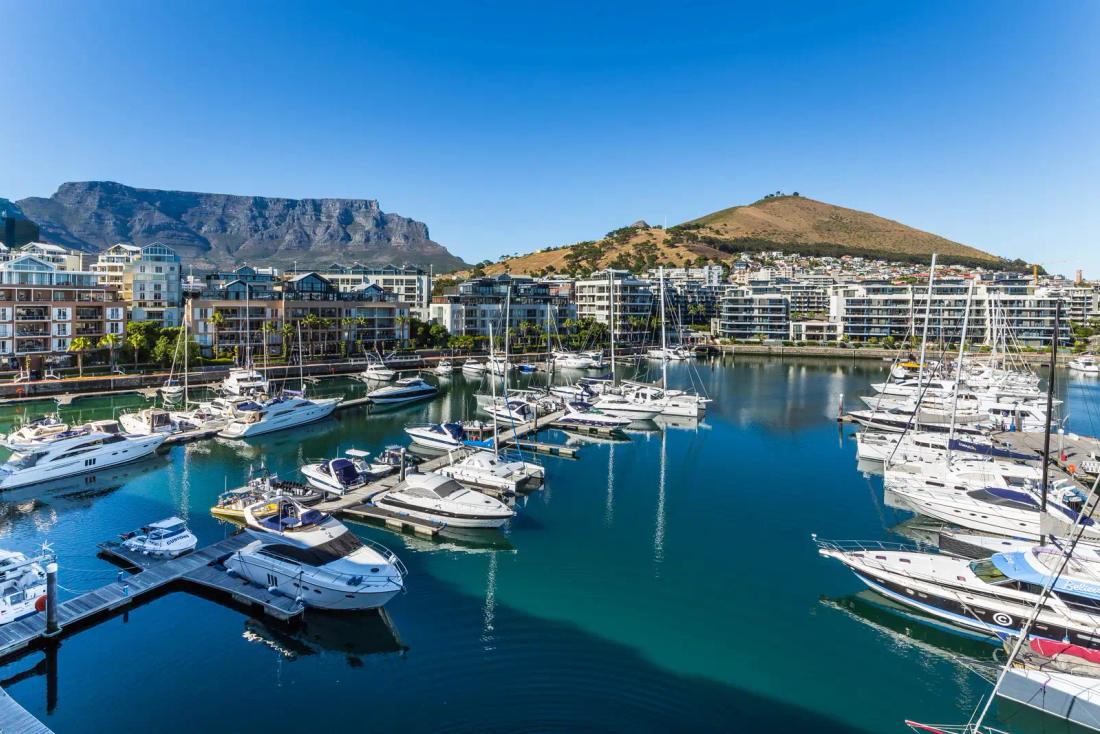
South Africa
Mountain, ocean and winelands to bookend a safari
Cape Town
Most popular packages
8 Day Sabi Sands Wildlife, Sun City Resort & Cape Town Explorer
Per person, from
R 97 350
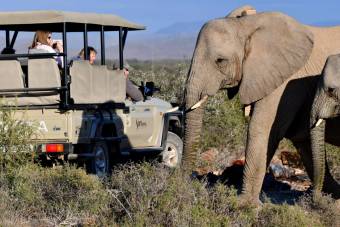
3-Day BIG 5 Safari near Cape Town
Per person, from
R 26 430
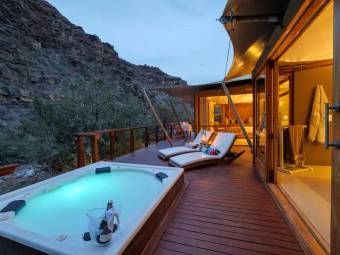
3-Day BIG 5 Safari at Sanbona Wildlife Reserve (Combine with Cape Town)
Per person, from
R 45 090
★★★★★ “Jolene was simply extraordinary. She put together what became an absolutely incredible African trip for us in the space of barely three weeks, and from the outset her responsiveness, knowledge and genuine enthusiasm were exceptional. Nothing was ever too much trouble, responses were almost immediate, and she very quickly understood exactly what we were looking for, our expectations and the way we like to travel. More than simply being an expert at what she does, Jolene genuinely cared about making the trip special for us, and that came through in every aspect of her planning. What particularly impressed us was the flexibility with which she brought everything together. We already had some of our own arrangements in place, including international flights and staying with friends in Cape Town, but Jolene seamlessly incorporated those into the overall itinerary and still organised all the surrounding logistics and transfers. The safari component she designed was outstanding, taking us through Kruger, Victoria Falls, Chobe and the Okavango Delta, before finishing in Cape Town and the Stellenbosch wine region. Every part flowed beautifully and the lodges, experiences and logistics were exceptional. Just as importantly, Jolene stayed in contact throughout the trip at all the key moments, which made travelling so much easier. She would check us in for our internal flights and send through the boarding passes, confirm transfers the day before each pick-up, and make sure everything was in place before we ever had to think about it. That attention to detail, and the fact that she was always one step ahead, removed so much of the usual travel stress and allowed us simply to enjoy the trip. It was genuinely the trip of a lifetime, put together in an extraordinarily short timeframe, and Jolene deserves enormous credit for making it all happen. We could not recommend her highly enough.” — Lynton & Lisa Mortensen, Trustpilot
Where to start
Two halves of a continent.
Southern Africa
Polished lodges, malaria-free options, and reliable Big Five viewing. The Sabi Sands and Kruger for first-time safaris, Botswana's Okavango Delta for game viewing by mokoro and boat, and Cape Town and the winelands to bookend a trip. At its best in the dry winter months, May to October.
See the hand-drawn Southern Africa map →East Africa
Vast open plains and the Great Migration. The Masai Mara and Serengeti deliver classic big-cat country and the river crossings, and both pair naturally with beach time on Zanzibar or the Kenyan coast. Migration timing moves through the year, so the month you travel matters.
See the hand-drawn East Africa map →Browse by theme
Or by the kind of trip.
Destinations
The classics.
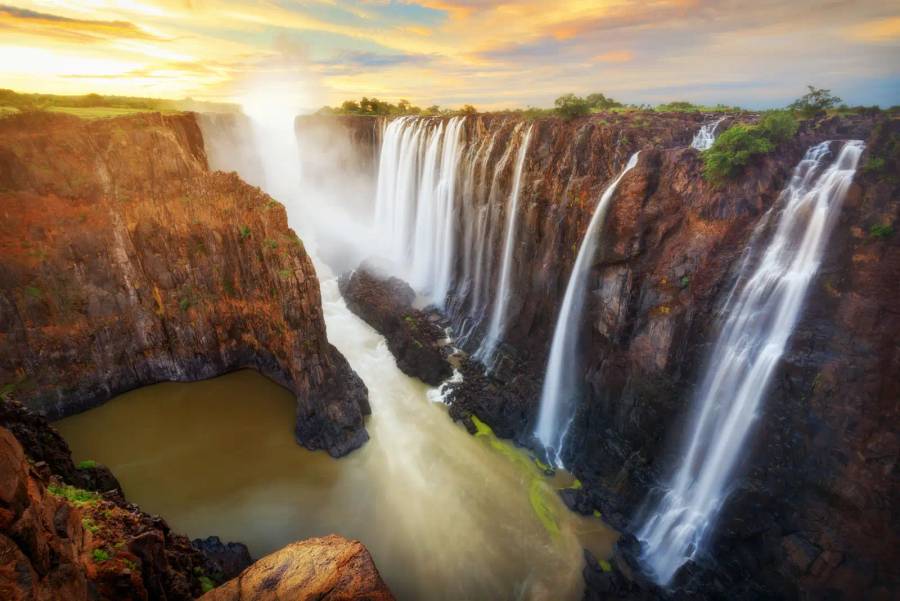
Zambia
Victoria Falls
The world's greatest waterfall, and an easy add-on
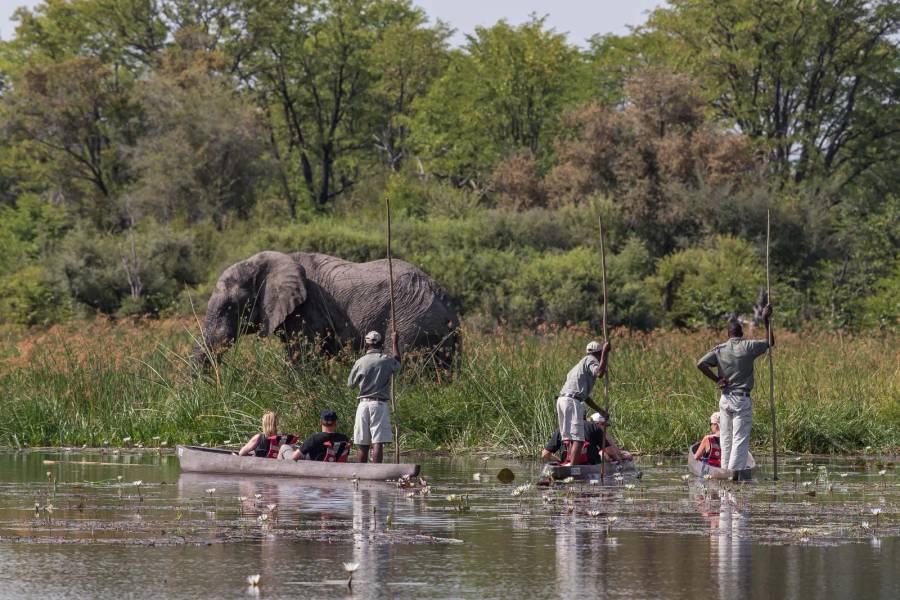
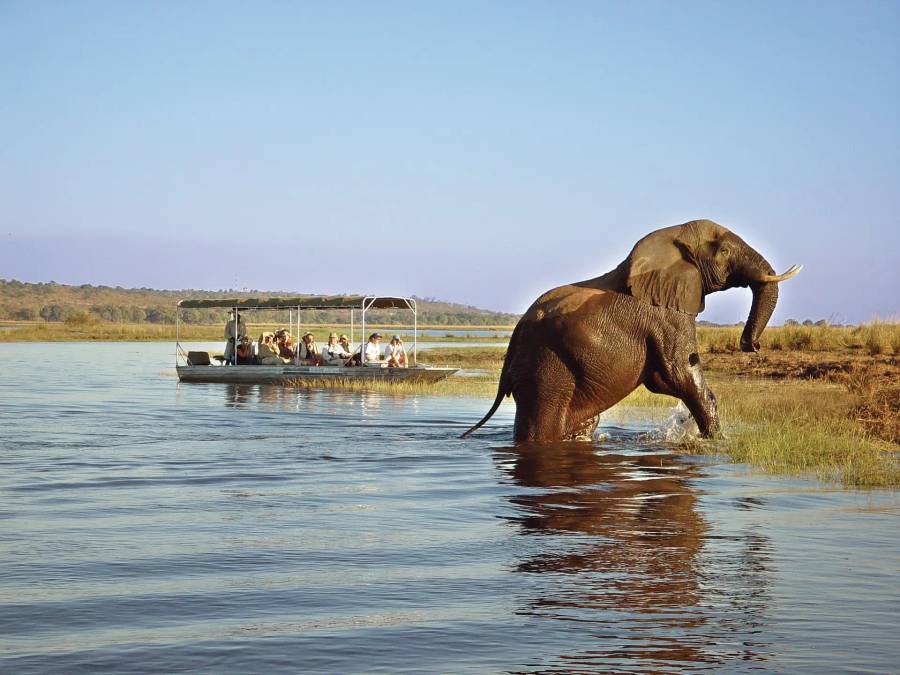
Botswana
Chobe National Park
Vast elephant herds along the Chobe River
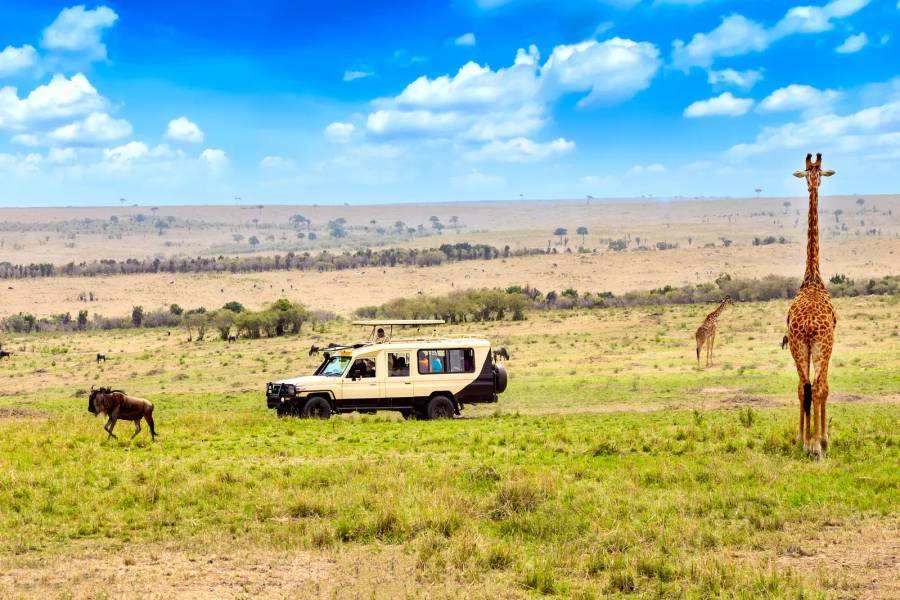
Kenya
Masai Mara
Big cats and the Great Migration river crossings
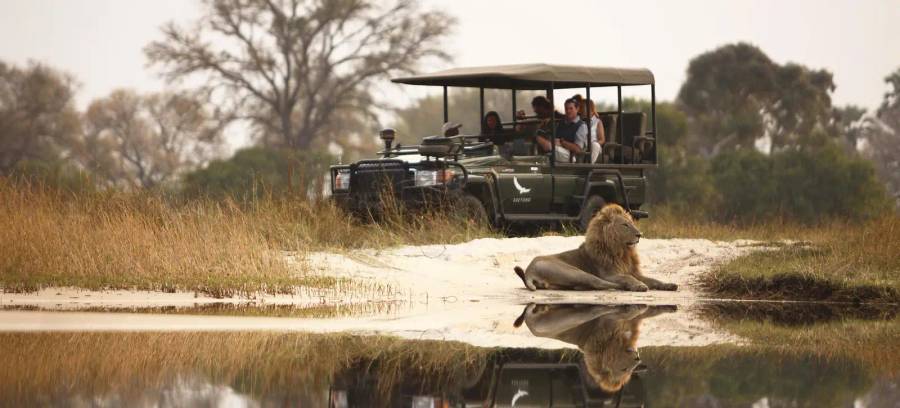
Botswana
Okavango Delta
Game viewing by mokoro and boat in a flooded wilderness
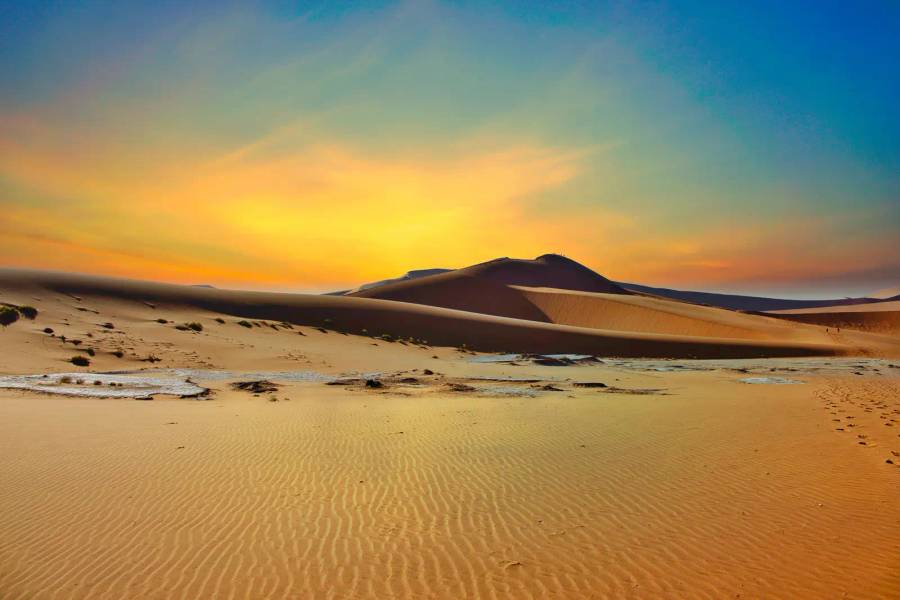
Namibia
Sossusvlei
The world's tallest red dunes at sunrise
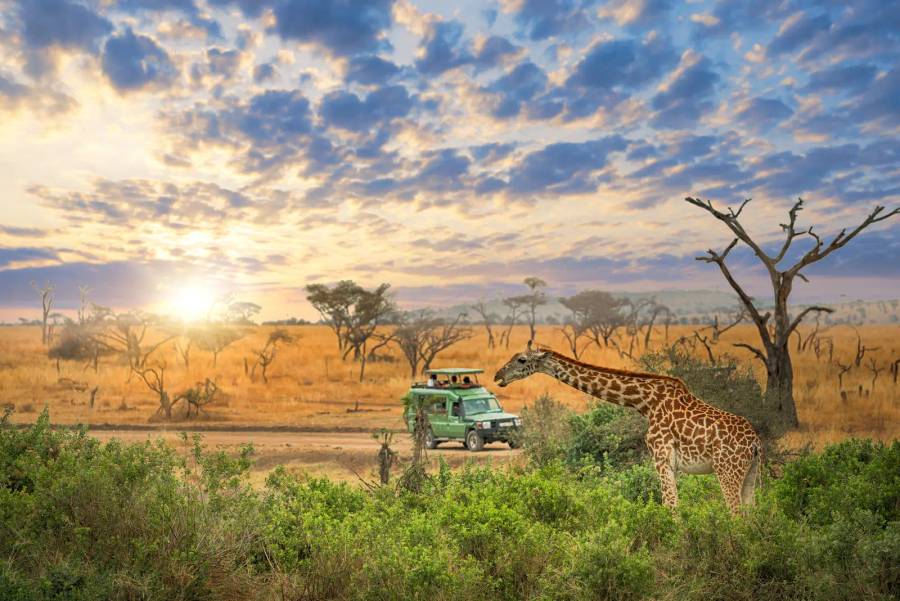
Tanzania
Serengeti National Park
The Great Migration, all year if you follow it
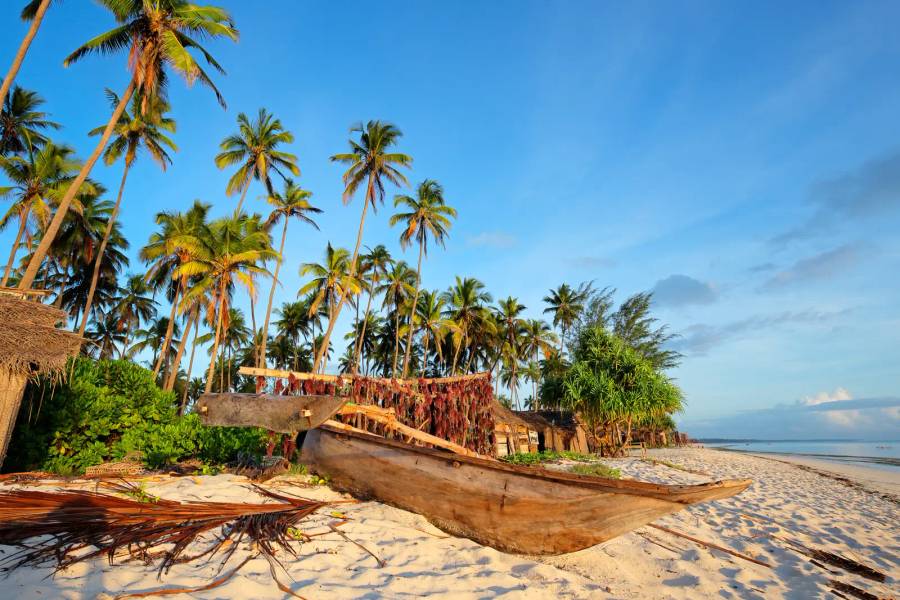
Tanzania
Zanzibar
Spice-island beaches a short hop from the Serengeti
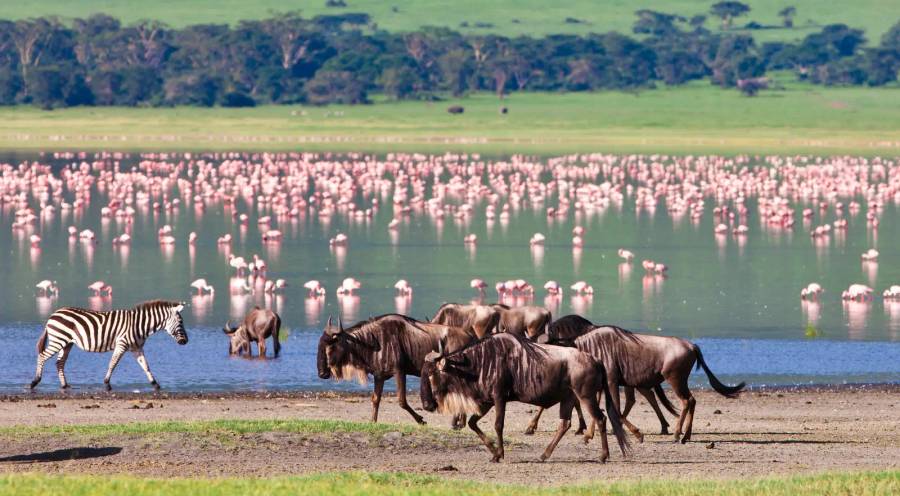
Tanzania
Ngorongoro Crater
Big Five in a day inside a collapsed volcano
Zambia
South Luangwa National Park
The birthplace of the walking safari
Not sure where to go?
Tell us how you like to travel and a safari specialist will map the route to match, often replying in as little as 15 minutes during working hours.
Browse by country
Country by country.
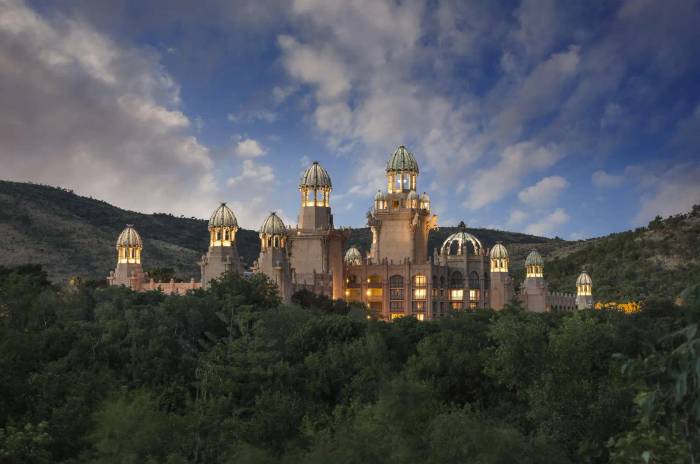
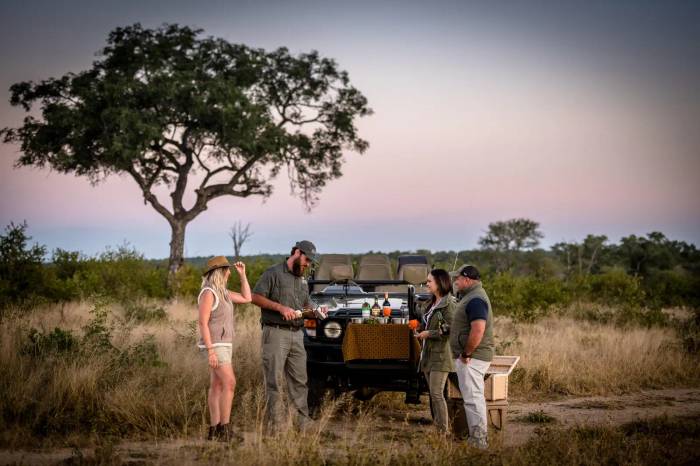
South Africa
217 lodges →The easiest first safari, with malaria-free options and Cape Town
May–Sep for game
“The trip that was arranged by Safari.com's Luxury Safari Consultant, Candis Sequera, to South Africa, Botswana and Zimbabwe was exciting, adventurous, and memorable! Thanks to her knowledge and resources the entire journey went smoothly, with every transfer and lodge providing courteous, friendly service. Candis provided exceptional customer service and expertise from our first contact to completion of our journey. Although I was a bit concerned about making our arrangements completely on-line, her prompt attention to my inquiries helped put me at ease. I do not hesitate providing this 5-star rating and particularly highlighting the outstanding service Candis provided.”
Zambia
48 lodges →The home of the walking safari and wild South Luangwa
May–Oct
“I can't thank you enough for the awesome trip you put together for us. The lodging, guides and places we got to visit were wonderful. Victoria Falls is amazing, the lodging you arranged for us was beautiful. We had a lot of back and forth through Botswana and Zimbabwe borders and the guides were so helpful and knowledgable. Thank you for makeing this a trip of a lifetime. We couldn't have done it without Anja's help.”
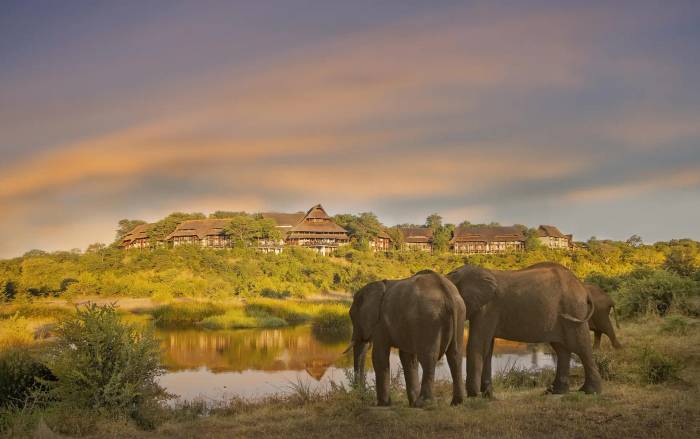
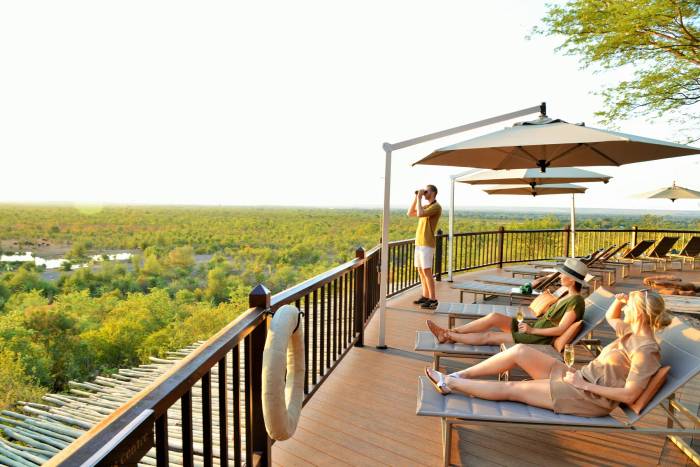
Botswana
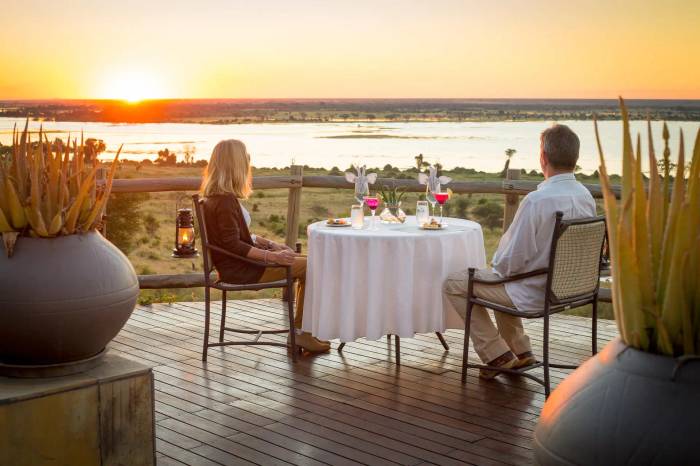
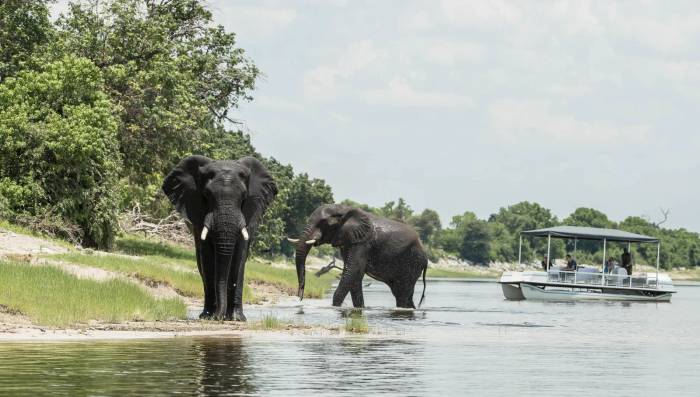
83 lodges →Low-volume, high-end water and wilderness safaris
May–Oct, dry season
“I can't thank you enough for the awesome trip you put together for us. The lodging, guides and places we got to visit were wonderful. Victoria Falls is amazing, the lodging you arranged for us was beautiful. We had a lot of back and forth through Botswana and Zimbabwe borders and the guides were so helpful and knowledgable. Thank you for makeing this a trip of a lifetime. We couldn't have done it without Anja's help.”
Zimbabwe
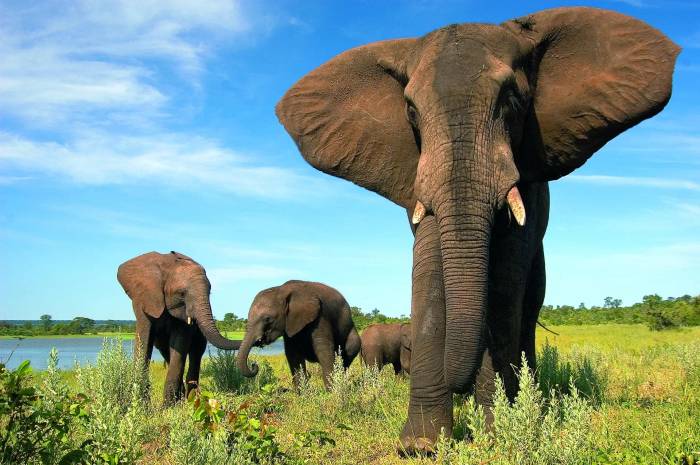
18 lodges →Victoria Falls and top-class guiding in Hwange and Mana Pools
May–Oct
“I can't thank you enough for the awesome trip you put together for us. The lodging, guides and places we got to visit were wonderful. Victoria Falls is amazing, the lodging you arranged for us was beautiful. We had a lot of back and forth through Botswana and Zimbabwe borders and the guides were so helpful and knowledgable. Thank you for makeing this a trip of a lifetime. We couldn't have done it without Anja's help.”
Namibia
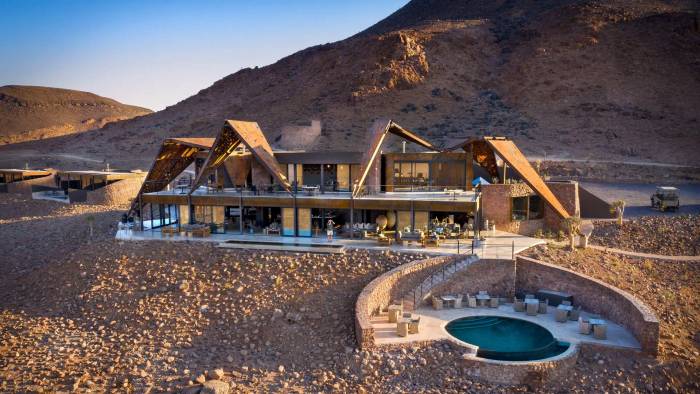
28 lodges →Otherworldly desert landscapes and dramatic scenery
May–Oct
“We’ve had a really good experience with Sara at Safari.com. She’s been great to deal with, very patient with all our changes & always quick to come back with helpful advice. She really listened to what we wanted and put together a fantastic South Africa and Namibia trip for us.”
Kenya
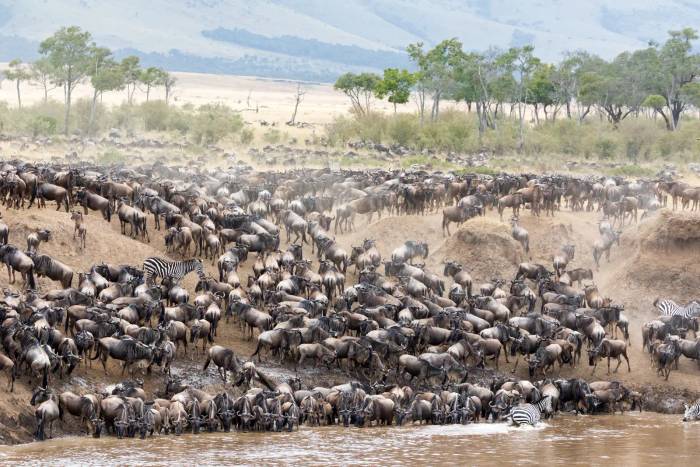
41 lodges →The original safari, plus beaches and Maasai culture
Jul–Oct for the migration
“Excellent service from start to finish! The team was responsive, professional and genuinely attentive throughout the entire planning process. They helped coordinate our private road transfer from Nairobi, our stay at Amboseli Serena Safari Lodge, game drives, park fees and the transfer to the airstrip for the next part of our trip. Every detail was clearly explained, and any changes or questions were handled quickly and efficiently. We were also offered complimentary travel insurance for the Safari.com portion of our trip, as well as complimentary eSIM data for both travellers, which was such a thoughtful and practical extra! A special thank you to Nerine, Clarisha and the Safari.com team for their patience, communication and attention to detail. 5 stars: excellent service, thoughtful extras and a very personal approach.”
Mauritius
11 lodges →Barefoot luxury beaches to round off a trip
May–Dec
“I cannot recommend Anja Meyer at Safari.com enough. This is our 3rd trip in 2 years that we have planned with Anja and we cannot imagine using any other travel planner. As travelers who deliberately seek experiences that go beyond the expected, and a bit of luxury that feels authentic, every single trip that we have booked with Anya has been a complex, multi country itinerary- we are definitely not easy to plan for. What sets Anja apart from other travel planners (and we have used several planners from top agencies) is her ability to partner with us and truly understand our preferences, pace and unspoken/ unwritten requirements. We would be remiss if we didn't mention her work ethic - she is incredibly responsive despite major time differences (I don't think she sleeps :) ). The results are always extraordinary journeys that feel very tailored to us. This most recent trip planned with Anja will take us across Namibia, Botswana and Mauritius - we can't wait!!”
Tanzania
61 lodges →Serengeti, Ngorongoro and Zanzibar in one trip
Jun–Oct; calving Jan–Mar
“I am beyond content with my experience with Leigh-Ann Croeser! From the very first email to the last she was always so helpful in planning our anniversary vacation to Tanzania. I asked an abundant of questions throughout the process and she always replied swiftly with thorough answers! It was amazing and relieved a lot of the stress of planning for me. I’m so happy to have come across safari.com because now I know where to go to for my future vacations!”
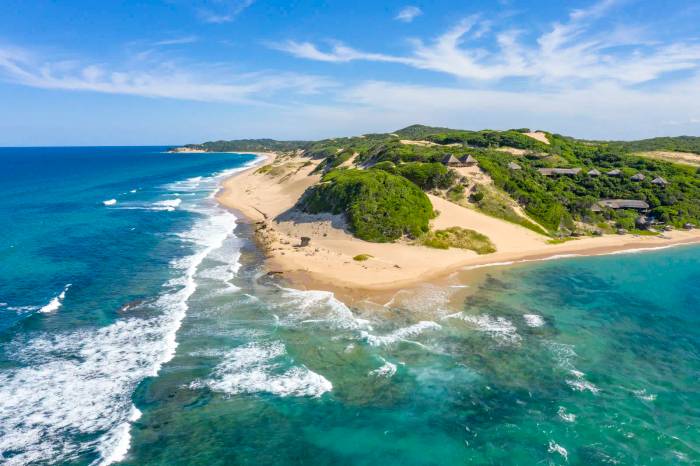
Mozambique
8 lodges →Indian Ocean islands for a post-safari beach
Apr–Nov, dry
“Shann from Safari.com really stood out for customer service. She made everything so easy and quick through her flexible approach, She also provided useful suggestions and gave us confidence. Communication was seamless and we can't wait for our beach holiday in Mozambique!”
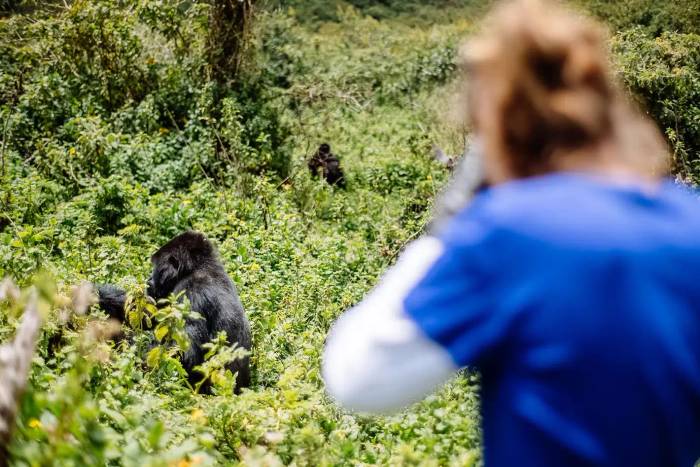
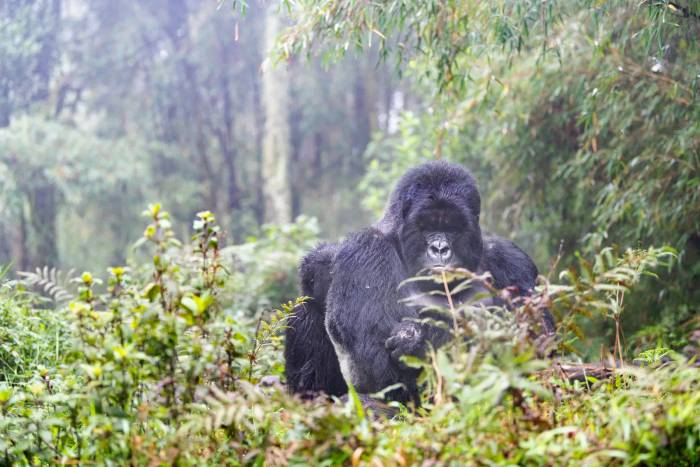
Rwanda
12 lodges →Mountain gorilla trekking in misty volcanoes
Jun–Sep & Dec–Feb, drier
“Mel was very helpful in my booking process, and now I understand why they have such high recommendations and stars. Mel provided me a customized itinerary right away for Rwanda. Very quick to respond and answer all questions in detail and reachable by email or Whatsapp. The email to book provided me detailed steps and even offered insurance options, which was greatly appreciated.”
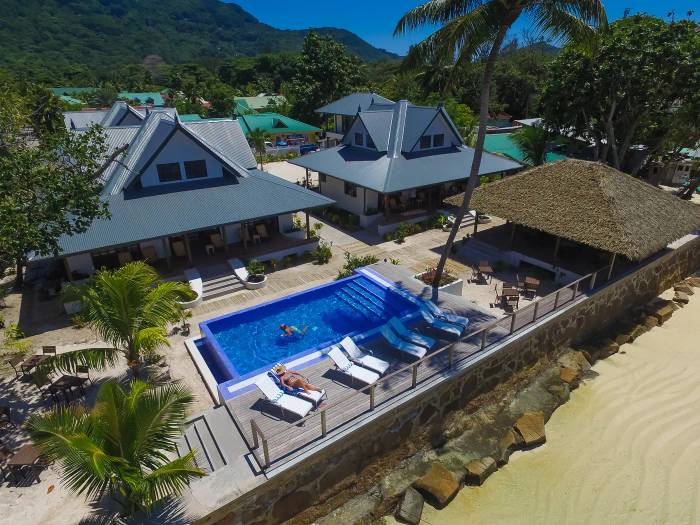
Seychelles
4 lodges →Granite islands and the ultimate honeymoon beach
Apr–May & Oct–Nov
“Appreciated the overall trip planning and guidance. Effectively put two of their suggested itineraries together upon request. Also, appreciated was their ability to arrange our trip extension to Cape Town and Seychelles.”
Uganda
8 lodges →Gorillas, chimps and lush primate forests
Jun–Sep & Dec–Feb
“I was privileged to have been able to experience a wonderful trip through Uganda. It definitely was a lifetime-best travel experience. There are simply too many highlights to list here, but these included several spectacular top-notch game park drives, interesting cultural experiences, great overnight stays, and many more (*including, of course, the gorillas*). Thank you to Mel at safari.com who put the itinerary together. She proactively managed all of the bookings and flights (including having had to deal with flight time changes). And she worked with Exclusive Uganda Safaris to make this happen. So, this wonderful country, her professionalism and the outstanding local safari operator made this trip unforgettable.”