
Safari destination
Botswana
Deliberately wild, deliberately exclusive.
One of Africa's premier safari destinations, renowned for pristine wilderness, vast elephant herds and conservation-led low-impact tourism.

Botswana
Wild, wet and deliberately exclusive
Botswana decided decades ago that it would rather host fewer guests at a higher standard than pave its wilderness for volume. The result is the wildest luxury in Africa: the Okavango's flooded channels, Chobe's elephant herds, the Kalahari's black-maned lions and salt pans, all served by small fly-in camps on vast private concessions.
It prices above its neighbours and earns it. See how it compares in South Africa vs Botswana, or start with six of our best Botswana packages.
- Why is Botswana more expensive than South Africa?
- Policy, by design. Low-volume, high-value tourism keeps camps small, concessions private and guest numbers capped, with light aircraft doing the work of roads. A Botswana circuit typically prices well above an equivalent South African trip; what it buys is wilderness with almost nobody else in it.
- South Africa or Botswana?
- South Africa for first safaris, malaria-free family options, self-drive flexibility and city-and-bush variety at the strongest value. Botswana for the wilder second trip: fly-in remoteness, water-based game viewing and exclusivity. Plenty of guests graduate from one to the other.
- When should I go?
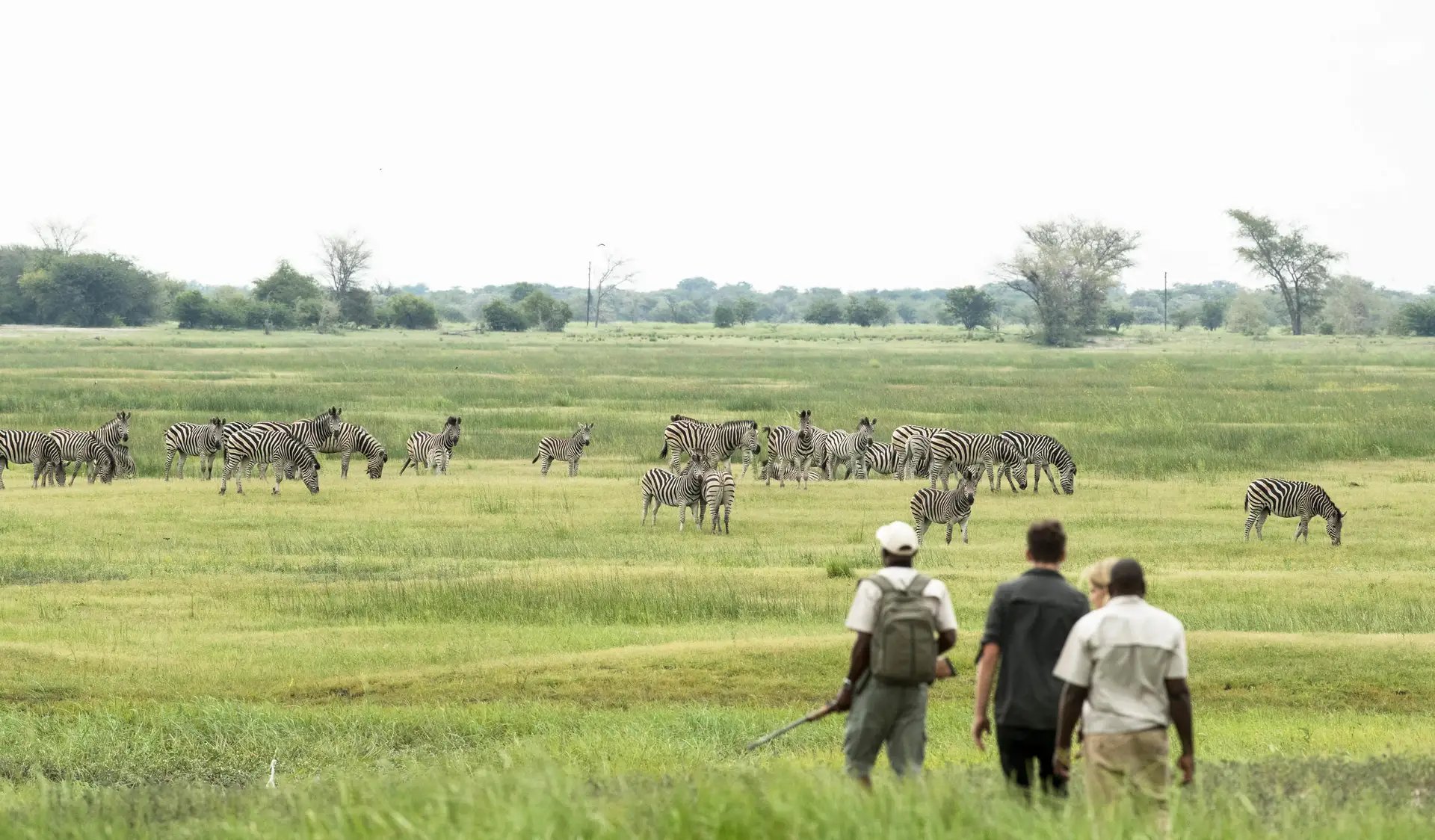
- The dry season, May to October, is prime: the delta flood peaks mid-year while the rest of the country dries, concentrating game. November to March is the green season, beautiful, bird-rich and better value, with the zebra migration on the Makgadikgadi grasslands.
- Delta, Chobe or Kalahari, and in what combination?
- The classic week is delta plus Chobe, finished at Victoria Falls across the border. Add the Kalahari or Makgadikgadi pans for desert strangeness, meerkats and black-maned lions if you have ten days. Your safari specialist sequences the light-aircraft legs so nothing is wasted.
- Is Botswana right for families?
- With older children, wonderfully: private-use vehicles, flexible camps and the delta as a giant natural classroom. Minimum ages apply at many camps (often six to twelve for activities), and malaria cover is needed, which is why families with very young children often start in South Africa instead.
- How do the fly-in logistics work?
- International flights land at Maun or Kasane, and light aircraft shuttle between camp airstrips in hops of 20 to 40 minutes. Soft bags, modest weight limits, seamless transfers arranged camp to camp. It is the most efficient wilderness travel in Africa.
Tailor-made safaris
Safaris in Botswana.

Most requested · 8 days · Botswana
8-Day Luxury Botswana to Hwange Safari
All meals · Most activities · All transfers
- 2 nights at Ngoma Safari Lodge overlooking the Chobe floodplains
- Morning game drive in Chobe and sunset cruise on the river
- 2 nights at Victoria Falls Safari Lodge with waterhole-facing room
- Guided tour of Victoria Falls and dinner at The Boma drum show
From
$4,435
per person, complete package
≈ $8,875 for two · international flights excluded

Most requested · 8 days · Botswana · South Africa
8-Day Chobe to Sabi Sands: The Ultimate Wildlife Journey
Most meals · All activities · All flights & transfers
- 3 nights at Muchenje Safari Lodge on Chobe's quieter western edge
- Chobe River cruise, cultural village visit and exclusive night drive
- Overnight at African Rock Hotel near OR Tambo with complimentary massage
- 3 nights at Inyati Game Lodge in the Sabi Sand Game Reserve
From
$6,025
per person, complete package
≈ $12,050 for two · international flights excluded

Most requested · 4 days · Botswana
4-day Chobe National Park safari
All meals · All activities · All transfers
- 3 nights at Ngoma Safari Lodge, an 8-suite property overlooking the Chobe floodplain
- Private concession in Chobe Forest Reserve, 3 km from the national park
- Game-viewing by boat on the Chobe River alongside the area's vast elephant herds
- Bush walks, night drives, full-day safaris and birding included
Special offer available
From
$1,655 normally $2,430
per person, complete package
≈ $3,310 for two · international flights excluded

7 days · South Africa
7-Day Victoria Falls and Chobe: Classic Railway Safari Adventure
All meals · Most activities · Most transfers
- 3 nights aboard Rovos Rail in a Pullman Suite from Pretoria to Victoria Falls
- Gourmet meals and all beverages included throughout the rail journey
- 3 nights at Ngoma Safari Lodge overlooking Chobe National Park
- Game drives among Chobe's renowned elephant herds
Special offer available
From
$6,090 normally $6,895
per person, complete package
≈ $12,180 for two · international flights excluded

7 days
7-Day Kruger Park and Vic Falls Combo
All meals · Most activities · All flights & transfers
- 3 nights aboard Kruger Shalati, the train on the bridge over the Sabie River
- Twice-daily game drives in open Land Rovers across Kruger National Park
- 3 nights at The Wallow Lodge in Victoria Falls
- Full-day Chobe National Park trip with river safari, lunch and game drive
Special offer available
From
$5,230 normally $5,525
per person, complete package
≈ $10,465 for two · international flights excluded

3 days · Botswana
3 Day Chobe Fly-in Safari
All meals · All activities · All flights & transfers
- 2 nights at Chobe Game Lodge, the only property inside Chobe National Park
- Open-vehicle game drives along the Chobe Riverfront with expert guides
- Sundowner cruise on the Chobe River past bathing elephants, hippos and crocodiles
- Big Five viewing among Africa's largest elephant herds
From
$4,425
per person, complete package
≈ $8,855 for two · international flights excluded

5 days
5-Day All-inclusive Luxury Western Chobe Safari
All meals · All activities · All transfers
- 4 nights at Muchenje Safari Lodge in Western Chobe National Park
- Twice-daily game drives plus night safaris with gourmet dinners
- Full-day Sedudu boat cruise along the Chobe River
- Sunrise guided walking safari and mokoro canoe excursion
From
$3,140
per person, complete package
≈ $6,280 for two · international flights excluded

6 days
6 Day Romantic Chobe & Okavango Safari
All meals · All activities · All flights & transfers
- 2 nights at Ngoma Safari Lodge overlooking the Chobe floodplains
- Full-day Chobe safari with river cruise and picnic lunch
- Night drives and walking safaris in the Chobe Forest Reserve
- 3 nights at Little Machaba, a four-tent camp in the Khwai Concession
From
$5,745
per person, complete package
≈ $11,490 for two · international flights excluded

7 days · Botswana
7 Day Chobe & Delta Fly-in Tour
All meals · All activities · All flights & transfers
- 3 nights at Chobe Game Lodge, the only property inside Chobe National Park
- Sundowner cruise on the Chobe River at the water's edge
- Charter flight across the Delta to Camp Okavango on Nxaragha Island
- 3 nights at Camp Okavango surrounded by permanent Delta waterways
From
$7,085
per person, complete package
≈ $14,170 for two · international flights excluded

11 days · Botswana
11 Day Botswana Luxury Safari
All meals · All activities · All flights & transfers
- 2 nights each at Chobe Game Lodge, Savute Safari Lodge, Camp Moremi, Camp Okavango and Leroo La Tau
- Sundowner cruise on the Chobe River amongst its famous elephant herds
- Game drives in Savute's predator territory and across Moremi Game Reserve
- Boat and mokoro excursions through the Okavango Delta from Camp Okavango
From
$9,985
per person, complete package
≈ $19,970 for two · international flights excluded

9 days · Botswana
9-Day Classic Botswana Safari
All meals · All activities · All flights & transfers
- 2 nights at Ngoma Safari Lodge overlooking the Chobe River
- Game drives in Chobe National Park among vast elephant herds
- 2 nights at Machaba Camp on the Khwai River with mokoro excursions
- 2 nights at Gomoti Plains for wild dog, lion and cheetah sightings
From
$11,635
per person, complete package
≈ $23,275 for two · international flights excluded

9 days · Botswana
9-Day Desert and Delta Ultra-Lux Safari
All meals · All activities · All flights & transfers
- 2 nights each at Camp Xakanaxa, Camp Okavango, Leroo La Tau and Chobe Game Lodge
- Game drives and boat cruise in Moremi Game Reserve
- Mokoro and motorboat safaris through the Okavango Delta
- Track zebra and wildebeest migrations along the Boteti River
From
$8,385
per person, complete package
≈ $16,770 for two · international flights excluded

10 days
10-Day Exploring Victoria Falls, Hwange & Chobe National Park Safari
Most meals · Most activities · All flights & transfers
- 3 nights at Victoria Falls Hotel, 3 at Camelthorn Lodge, 3 at Chobe Game Lodge
- Guided tour of Victoria Falls and sundowner cruise on the Zambezi
- 12-minute helicopter flight over Victoria Falls
- Game drives and nature walks in Hwange National Park
From
$14,385
per person, complete package
≈ $28,770 for two · international flights excluded

7 days
7-Day Fly-In Chobe and Okavango Delta Luxury Safari
All meals · Most activities · All flights & transfers
- 3 nights at Muchenje Safari Lodge on the Chobe waterfront
- Full-day Chobe River boat cruise, night drives and seasonal walking safaris
- Light-aircraft flight from Kasane to Jedibe Airstrip in the Okavango Delta
- 3 nights at Setari Camp, a water-only camp reached by boat
Special offer available
From
$3,365 normally $4,430
per person, complete package
≈ $6,735 for two · international flights excluded

11 days · Botswana · Zimbabwe
11-Day Victoria Falls to Okavango: A Luxurious Safari Odyssey
Most meals · All activities · All flights & transfers
- 3 nights at 528 Victoria Falls Guest House in Zimbabwe
- Zambezi sunset cruise and helicopter flight over the Falls
- 3 nights at Ichingo Chobe River Lodge with boat safaris and fishing
- 4 nights at Camp Okavango deep in the Delta
From
$7,735
per person, complete package
≈ $15,470 for two · international flights excluded

5 days · Botswana
5 Day Magical Moremi & Okavango Delta
All meals · All activities · All flights & transfers
- 2 nights at Moremi Crossing on a palm-fringed island bordering Moremi Game Reserve
- 2 nights at Rra Dinare Camp deep in the Okavango Delta
- Mokoro excursions, guided game walks and sunset cruises on the Delta
- Surprise brunch served on a Delta island during the mokoro trip
From
$5,015
per person, complete package
≈ $10,035 for two · international flights excluded

6 days · Zambia · Botswana
6 Day Luxury Victoria Falls & Chobe
All meals · All activities · All transfers
- 3 nights at Sanctuary Sussi & Chuma on the Zambezi River
- Guided tour of Victoria Falls plus a sundowner cruise
- Canoeing, fishing and game drives in Mosi-oa-Tunya National Park
- 2 nights at Sanctuary Chobe Chilwero overlooking the Chobe floodplains
Special offer available
From
$3,790 normally $4,545
per person, complete package
≈ $7,580 for two · international flights excluded

10 days · Zambia · Botswana
10-Day Botswana to Zambia Luxury Safari
All meals · Most activities · All transfers
- 3 nights at Atzaro Okavango Camp with helicopter transfer from Maun
- Game drives, walking safaris, night drives and mokoro rides in the Delta
- 3 nights at Thorntree River Lodge on the Zambezi, near Victoria Falls
- Guided Victoria Falls tour, rhino trekking and sunset river cruises
Special offer available
From
$9,570
per person, complete package
≈ $19,140 for two · international flights excluded

11 days · South Africa
11 Day Cape Town, Tswalu and Kruger
Most meals · Most activities · All flights & transfers
- 4 nights at Ellerman House in Cape Town with time to explore the city
- 3 nights at Tswalu Kalahari Lodge in South Africa's largest private reserve
- Track desert black rhino and habituated meerkats in the Kalahari
- Game drives on horseback and walking safaris across semi-arid grasslands
From
R 347 880
per person, complete package
≈ R 695 770 for two · international flights excluded

15 days · Botswana · Zimbabwe · Zanzibar
15-Day Safari Adventure: Botswana, Victoria Falls & Zanzibar
Most meals · Most activities · All flights & transfers
- 4 nights at Belmond Mount Nelson with Table Mountain and Cape Peninsula sightseeing
- 2 nights at Belmond Savute Elephant Lodge tracking large elephant herds and predators
- 2 nights at Belmond Eagle Island Lodge with mokoro and boat safaris in the Okavango
- 3 nights at Victoria Falls River Lodge with guided tour of the Falls and Zambezi cruises
Special offer available
From
$13,490 normally $13,945
per person, complete package
≈ $26,985 for two · international flights excluded

10 days · Namibia
10 day Namibia South (Desert, Canyon and Ocean)
All meals · All transfers
- 2 nights each at Bagatelle Kalahari Ranch and Fish River Lodge
- Hike the rim of Fish River Canyon, Africa's largest canyon
- Track the Namib feral horses from Klein Aus Vista
- 2 nights at Wolwedans Dune Camp in the NamibRand Nature Reserve
From
R 96 720
per person, complete package
≈ R 193 440 for two · international flights excluded

10 days · Namibia
10-Day Namibian Highlights Tour
Most meals · All activities · All transfers
- Overnights at Kalahari Anib, Namib Desert Lodge, The Delight, Damara Mopane and Etosha Safari Camp
- Climb Big Daddy and walk the camelthorns of Dead Vlei at Sossusvlei
- Free day in Swakopmund for kayaking, sandboarding or Walvis Bay excursions
- Twyfelfontein rock engravings, Organ Pipes and a Himba village visit
From
R 63 720
per person, complete package
≈ R 127 440 for two · international flights excluded

10 days
10-Day Romantic Safari Across Southern Africa: Victoria Falls, Delta & Kalahari
Most meals · All activities · All flights & transfers
- 2 nights at Mbano Manor with a guided tour of Victoria Falls
- 4 nights at Feline Fields Vintage Camp in the Khwai region
- Game drives, mokoro rides and walking safaris in the Okavango Delta
- One-hour private helicopter flight over the Delta to the Kalahari
From
$12,500
per person, complete package
≈ $25,000 for two · international flights excluded

10 days · Botswana
10-Day Scenic Botswana Photo Safari
All meals · All activities · All flights & transfers
- 3 nights aboard the Pangolin Voyager houseboat on the Chobe River
- 4 nights at Pangolin Photo Camp in the Okavango Delta
- 2 nights at Dinaka in the Central Kalahari
- 30-minute doors-off helicopter flight over the Delta
From
$13,950
per person, complete package
≈ $27,900 for two · international flights excluded

3 days
3-Day Tswalu The Motse Fly-In Safari
All meals · All activities · All flights & transfers
- 2 nights at Tswalu The Motse in the Kalahari
- Private game-viewing vehicle with dedicated guide and tracker
- Habituated meerkat encounter, nature walks, horse riding and birding
- Dinner at Klein JAN with Michelin-starred chef Jan Hendrik van der Westhuizen
From
R 141 800
per person, complete package
≈ R 283 600 for two · international flights excluded

4 days
4-Day All Inclusive Okavango Delta Horseback Safari
All meals · All activities · All flights & transfers
- 3 nights at Macatoo Camp, a luxury tented camp in the Okavango Delta
- Horseback rides across 450,000 acres alongside giraffe, zebra and elephant
- Mokoro canoe trips through flooded grasslands with prolific birdlife
- Boat cruises and game drives spotting buffalo, antelope and crocodile
From
$4,530
per person, complete package
≈ $9,065 for two · international flights excluded

5 days · Botswana
5-Day Bespoke Luxury Chobe Safari
All meals · All activities · All transfers
- 4 nights at andBeyond Savute Under Canvas in Chobe National Park
- Twice-daily game drives in Savute, known for elephants and lion prides
- Guided bush walks and a visit to the San rock paintings at Gubatsa Hills
- Off-grid camping with no Wi-Fi or electricity, meals cooked over open fire
Special offer available
From
$2,140 normally $2,800
per person, complete package
≈ $4,280 for two · international flights excluded

7 days · Botswana
7-Day Botswana Safari: Linyanti Tented Suites & Khwai Exploration
All meals · All activities · All flights & transfers
- 3 nights at Linyanti Bush Camp, then 3 at Khwai Lediba
- Twice-daily game drives across two distinct Botswana wilderness areas
- Mokoro safaris, guided bush walks and optional night drives
- Optional ABCF community visit for cultural insight
Special offer available
From
$7,170 normally $8,060
per person, complete package
≈ $14,340 for two · international flights excluded

7 days · Botswana
7-Day Ultra-lux fly-In safari Okavango Delta to Vic Falls
All meals · All activities · Most transfers
- 3 nights at Karangoma Lodge in the Okavango Delta
- Helicopter transfer from Vumbura Airstrip to the lodge
- Mokoro safari through the Delta's waterways with a bush breakfast
- 3 nights at Camp Hwange with twice-daily game drives and walking safaris
From
$6,425
per person, complete package
≈ $12,850 for two · international flights excluded

8 days · Botswana
8-Day Fly-In Ultra-Lux Botswana Safari
All meals · All activities · All flights & transfers
- 2 nights at Jack's Camp, 2 at King's Pool, 3 at Sanctuary Chief's Camp
- Quad biking or Bushman walk across the Makgadikgadi Pans
- Eye-level elephant viewing from King's Pool underground hide
- Mokoro safari through the lily-laden channels of the Okavango Delta
From
$18,215
per person, complete package
≈ $36,430 for two · international flights excluded

8 days · South Africa · Botswana
8-Day Ultra-Lux Fly-In Madikwe to Chobe Safari
All meals · All activities · All transfers
- 3 nights at Jamala Madikwe Royal Safari Lodge in Madikwe Game Reserve
- Big Five game drives across Madikwe with optional guided walking safari
- 4 nights at Belmond Savute Elephant Lodge in Chobe National Park
- Twice-daily drives through the Savute region's vast elephant herds
From
$15,395
per person, complete package
≈ $30,790 for two · international flights excluded

8 days · South Africa
8-Day Ultra-lux Tengile and Tswalu Fly-In Safari
Most meals · All activities · All flights & transfers
- 3 nights at andBeyond Tengile River Lodge in the Sabi Sand
- Overnight at The Saxon Hotel & Spa in Johannesburg
- 3 nights at Tswalu The Motse in the Kalahari Reserve
- Habituated meerkat encounter and horse riding across the Kalahari
From
R 356 560
per person, complete package
≈ R 713 120 for two · international flights excluded

9 days · Namibia
9 Day Diverse Namibia
Most meals · Most activities
- 2 nights at Kulala Adventurer Camp on the red dunes of Sossusvlei
- 2 nights at Hansa Hotel in Swakopmund with optional Walvis Bay catamaran cruise
- 2 nights at Damaraland Camp tracking desert-adapted wildlife near Brandberg Mountain
- 2 nights at Ongava Tented Camp with game drives in Etosha National Park
From
R 113 430
per person, complete package
≈ R 226 870 for two · international flights excluded

9 days · Botswana
9-Day Luxury Botswana Wetlands to Wilderness Safari
All meals · All activities · All flights & transfers
- 5 nights at Mopiri Camp in the Okavango Delta, then 3 at Mankwe Tented Retreat
- Water-based safari by boat and mokoro through papyrus-lined channels
- Spot hippos, crocodiles, sitatunga and the rare Pel's fishing owl
- Twice-daily game drives in Moremi tracking lion, leopard and buffalo
Special offer available
From
$5,430 normally $6,000
per person, complete package
≈ $10,865 for two · international flights excluded
No safaris matching these criteria.
Try adjusting the filters above to see more safaris.
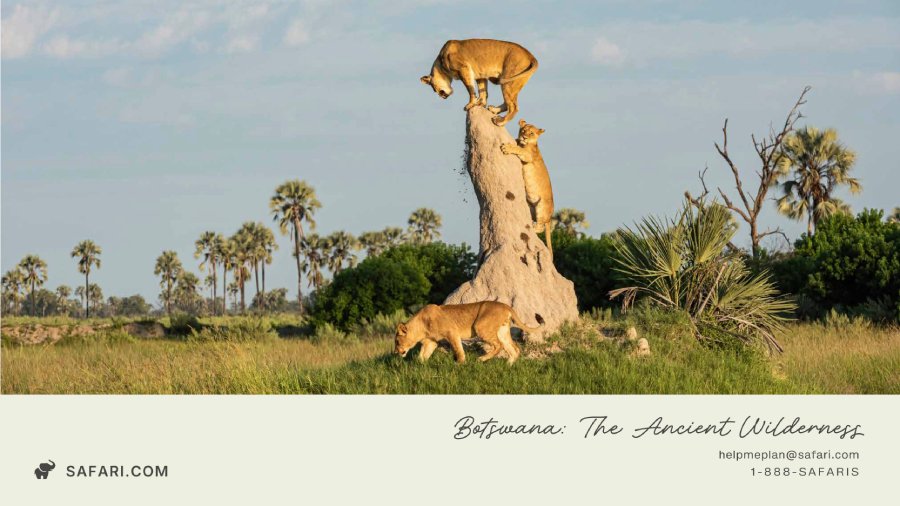
Brochure
Botswana Guide
Botswana's signature regions and what to expect in each: the Okavango Delta, Chobe, the Makgadikgadi salt pans and the Central Kalahari.
Where to stay
Lodges in Botswana.
75 lodges
-

Chobe Safari Lodge
Established in 1959 as Botswana's first safari lodge, Chobe Safari Lodge sits on the Chobe riverfront in Kasane, a 10-minute drive from the Chobe National Park entrance and Kasane International Airport. The property combines river and bush rooms, suites and a campsite with daily boat safaris, game drives and easy day trips to Victoria Falls.
From $600 per person · night
-

Ngoma Safari Lodge
Ngoma Safari Lodge, developed with the Chobe Enclave Conservation Trust, is committed to making a sustainable difference to the local communities and their environment.
From $1,365 per person · night
-

Camp Moremi
Camp Moremi brings true meaning to the word safari in the Xakanaxa area of the Moremi Game Reserve. Game drives in open 4x4 vehicles, both in the morning and late afternoons, offer frequent sightings of lion, leopard and cheetah as well as wild dog. Guest can explore the Xakanaxa Lagoon and surrounding Okavango channels by motorboat.
From $1,290 per person · night
-

Chobe Game Lodge
Chobe Game Lodge is the only permanent lodge to be found within the world-renowned Chobe National Park in Botswana. The lodge is situated in the northeastern corner of the park on the banks of the famous Chobe River that teems with wildlife. This incredible location enables guests to experience an amazing wildlife experience from the comfort of the lodge and to observe elephants silhouetted by the sunset whilst sipping on sundowners.
From $1,290 per person · night
-

Muchenje Safari Lodge
Muchenje Safari Lodge is perched atop an escarpment on the tranquil western side of Botswana’s Chobe National Park. Offering spectacular views of the Chobe River and the seasonal floodplains, its location ensures a peaceful retreat away from the busy Kasane area while being only a two-hour drive from the stunning Victoria Falls.
From $965 per person · night
-

Camp Okavango
Camp Okavango, a unique and exclusive African safari camp is situated on the remote Nxaragha Island. This hidden treasure, in the heart of the permanent Okavango Delta, assures its guests of an unparalleled year-round water wilderness experience.
From $1,290 per person · night
-
 Chobe National Park Live availability
Jackalberry Chobe
Jackalberry Chobe is an intimate, all-inclusive tented camp on the banks of the Chobe River near Kasane, Botswana. Sixteen luxury tents look out over the river or surrounding bushveld, and guests reach the wildlife-rich Chobe National Park in around ten minutes. Game drives, boat cruises and attentive five-star service make it a relaxed base for a classic Chobe safari.
-

Khwai Leadwood
Set within the Okavango Delta’s community-run Khwai Concession, this beautiful camp is tucked under the trees on the edge of the Khwai River.
From $1,390 per person · night


Rates per person sharing, per night.
January
Green season, zebra on the pans
Best time to visit
The Botswana year.
The dry season and the flood arrive together, which is Botswana's whole trick: peak water, peak game, same months.
Botswana
Your guide to Botswana.
When
Dry Season (May to October)
The dry season is ideal for wildlife viewing, particularly in the Okavango Delta and Chobe National Park. Animals gather around permanent water sources, making them easier to spot. Temperatures range from 20°C to 30°C (68°F to 86°F). This is the peak travel season, so higher prices and busier lodges and campsites are to be expected.
Wet Season (November to April)
The wet season brings lush landscapes and excellent birdwatching as migratory species arrive. With fewer visitors during this time, more personalised experiences and lower prices can be expected. Temperatures can rise significantly, sometimes exceeding 35°C (95°F), and there are occasional thunderstorms with the rain falling in short, intense bursts.
Shoulder Months (April and November)
These months can be a good compromise, offering a balance between fewer tourists, moderate weather, and good wildlife viewing opportunities.
Where
Chobe National Park
This is a key highlight of any Botswana safari experience. Named after the Chobe River, which forms part of the park's northern boundary, the area is best explored on a river safari.
Okavango Delta
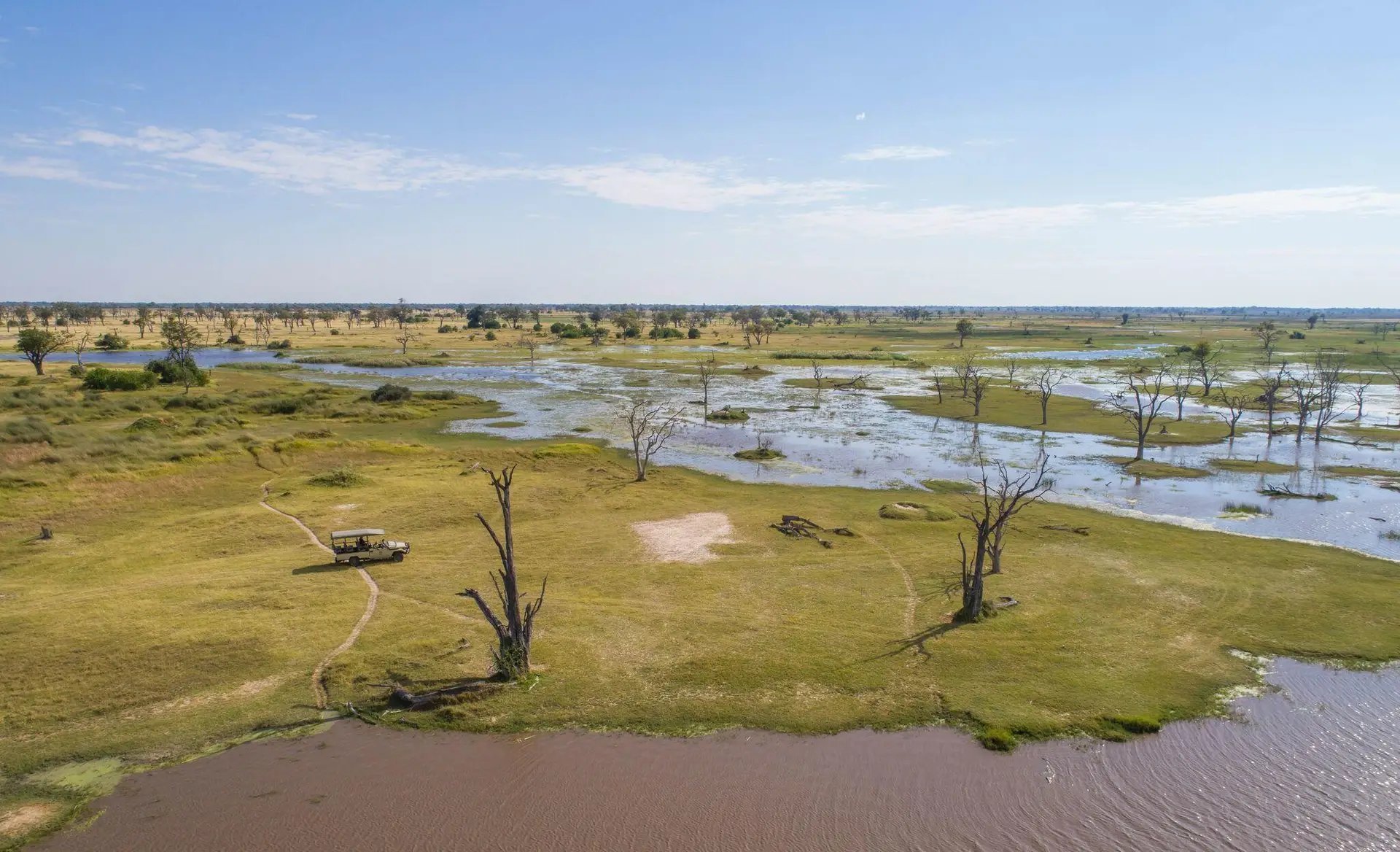
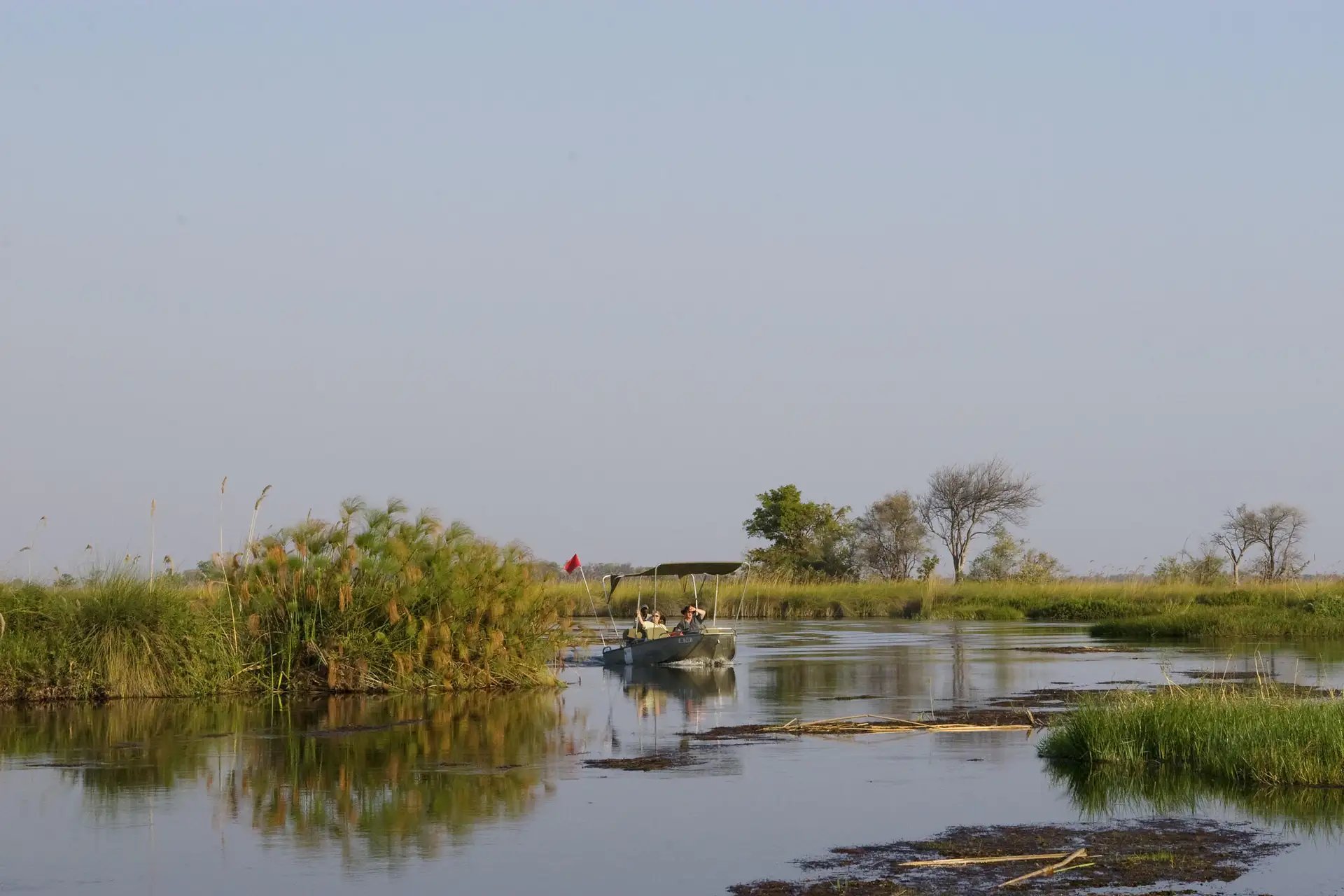
The Okavango Delta is the world’s largest inland river delta. Seasonal flooding transforms its plains into a rich wildlife habitat. Visitors explore by mokoro and game drive, encountering hippos, elephants, crocodiles, lions, leopards, giraffes and rhinos.
Linyanti, Selinda & Kwando
Northern Botswana offers exceptional privacy with very few lodges and vast private concessions. Visitors can expect large elephant populations along with major predator activity.
Kalahari Desert
The Kalahari Desert is a vast semi-arid savanna extending for 900,000 square kilometres (350,000 square miles), covering much of Botswana, parts of Namibia and South Africa. Activities include game drives, guided walks and cultural experiences.
Tsodilo Hills
The Tsodilo Hills, a UNESCO World Heritage Site, hold deep cultural significance for the San people, who have lived there for thousands of years. The site consists of four large rock formations. The largest rock is referred to as the 'male', the smaller as the 'female', and the smallest as the 'child'. Thousands of rock paintings can be found by following different trails leading to over 350 locations.
Makgadikgadi Salt Pans
Makgadikgadi is part of one of the largest salt pan systems in the world. Among the many things to do in Makgadikgadi Pans National Park are game drives, birdwatching, bush walk and cultural visits to local communities.
Kgalagadi Transfrontier Park
Kgalagadi Transfrontier Park is a vast wildlife preserve in the Kalahari Desert region of Botswana and South Africa, bordering Namibia to the west. It’s characterised by red dunes and dry rivers. Wildlife includes migrating herds of wildebeest and springbok, plus predators like raptors and black-maned Kalahari lions. Various lodges and wilderness camps offer game-viewing drives and guided walks with park rangers.
Tuli Block
Known as “the Land of the Giants”, the 12,000-hectare Tuli Block features a landscape of enormous trees on the banks of the Limpopo River, beautiful riverine forests and excellent leopard sightings.
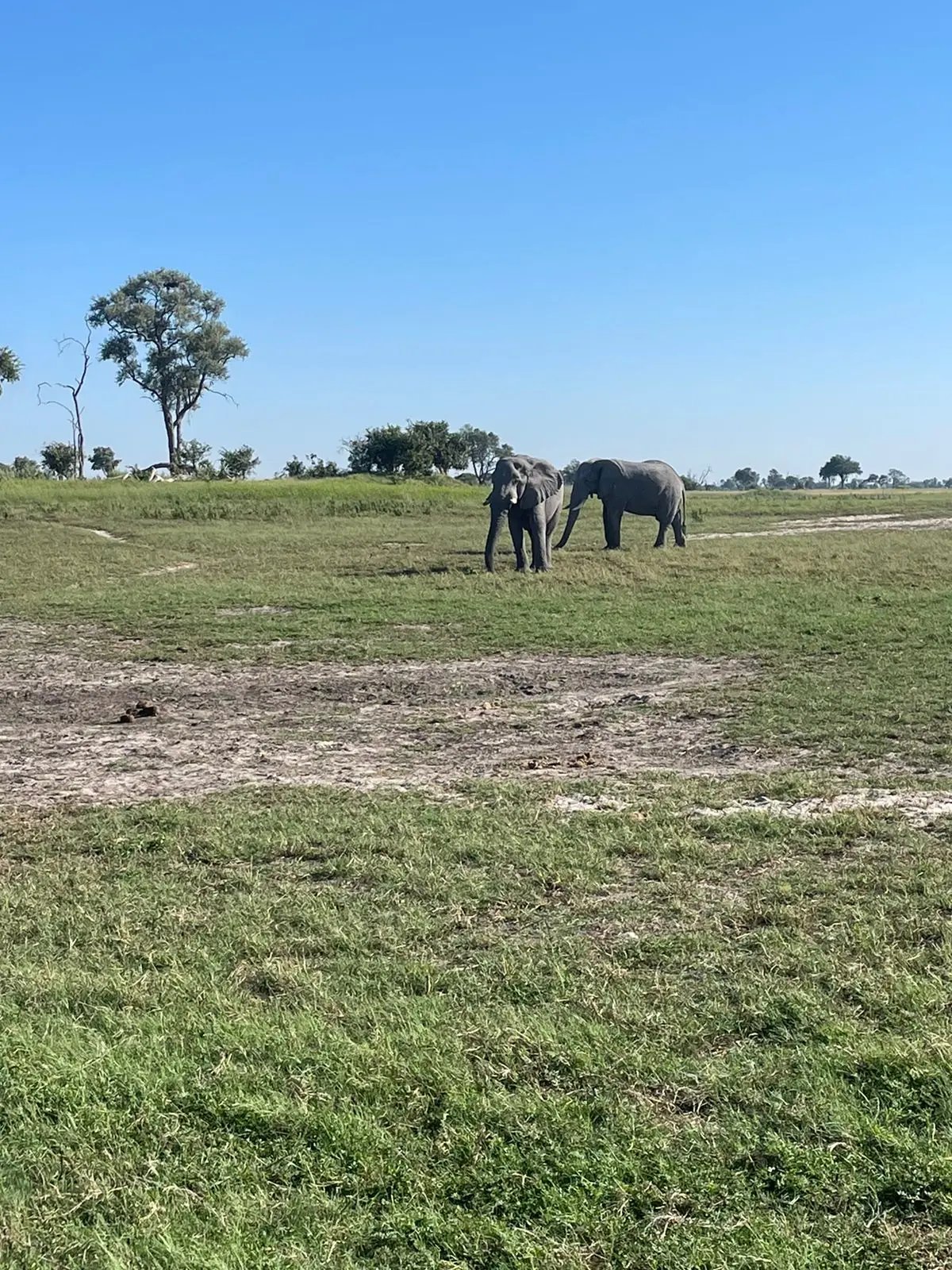
Photos from our guests
A traveller's view.
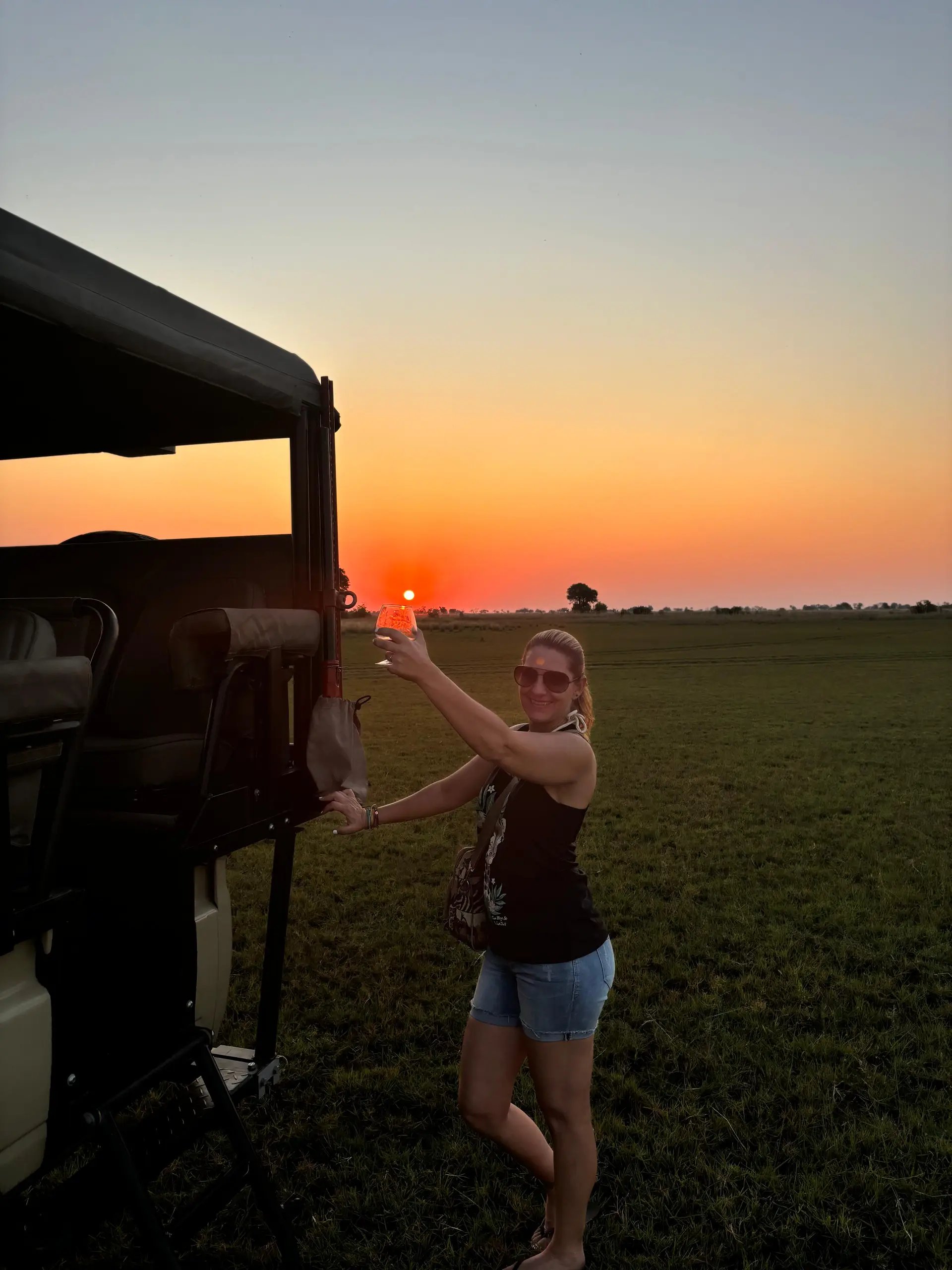
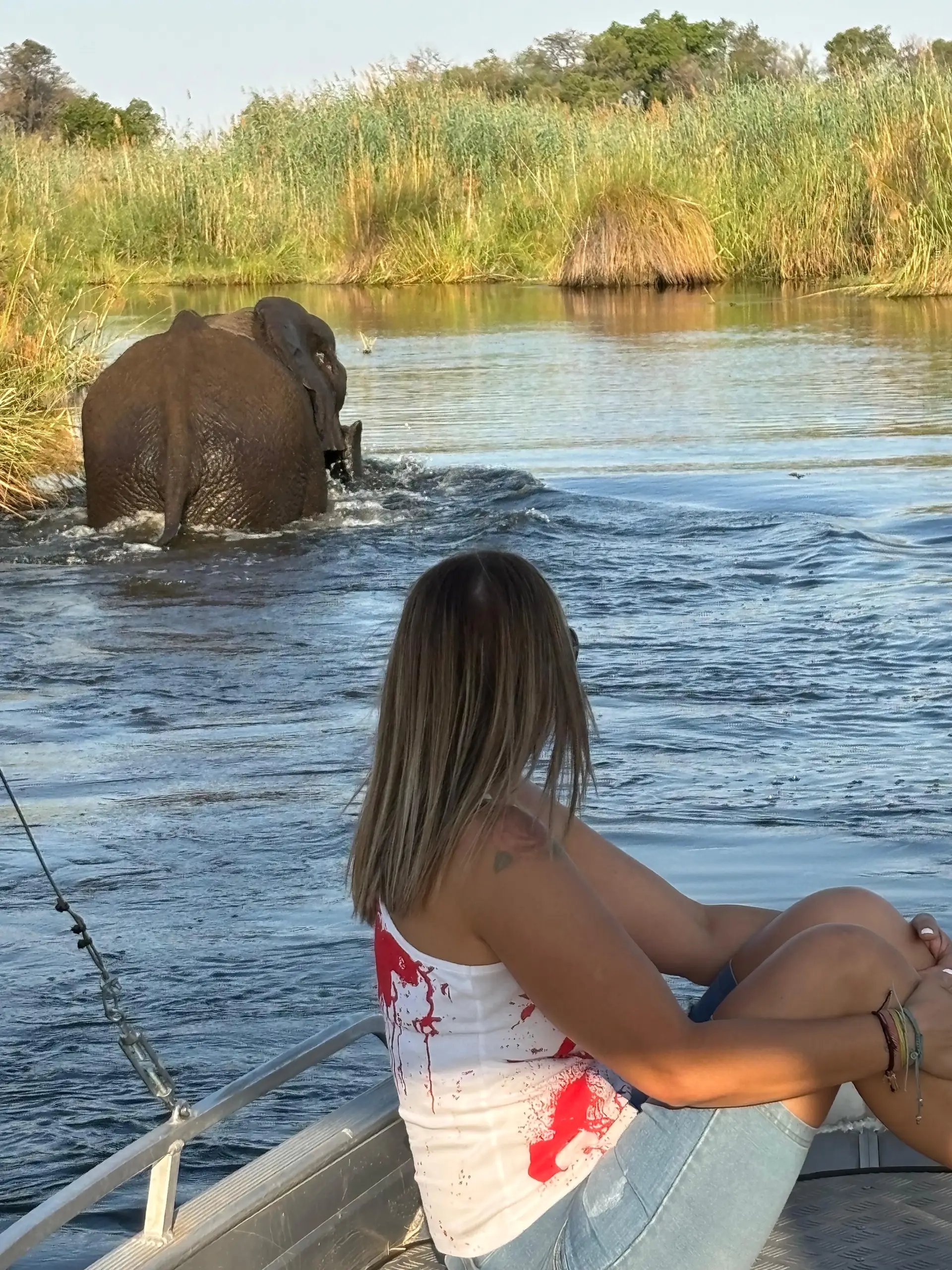
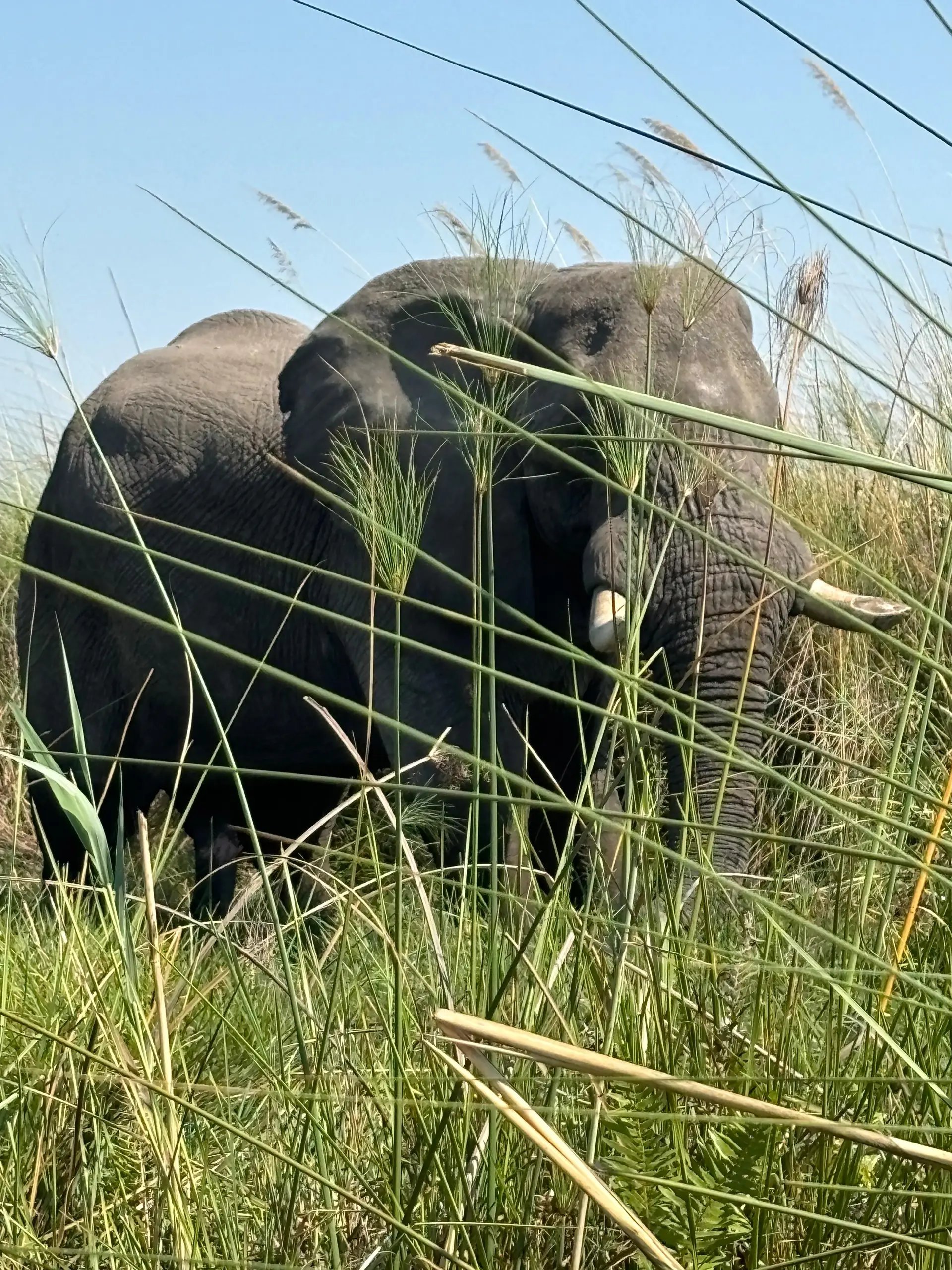
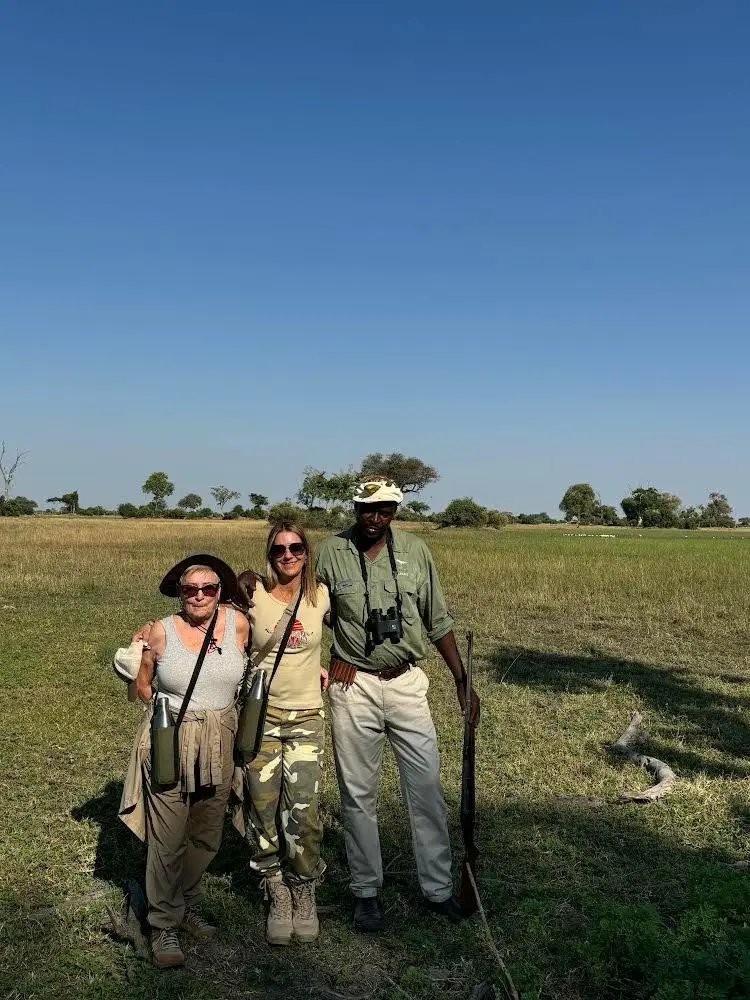
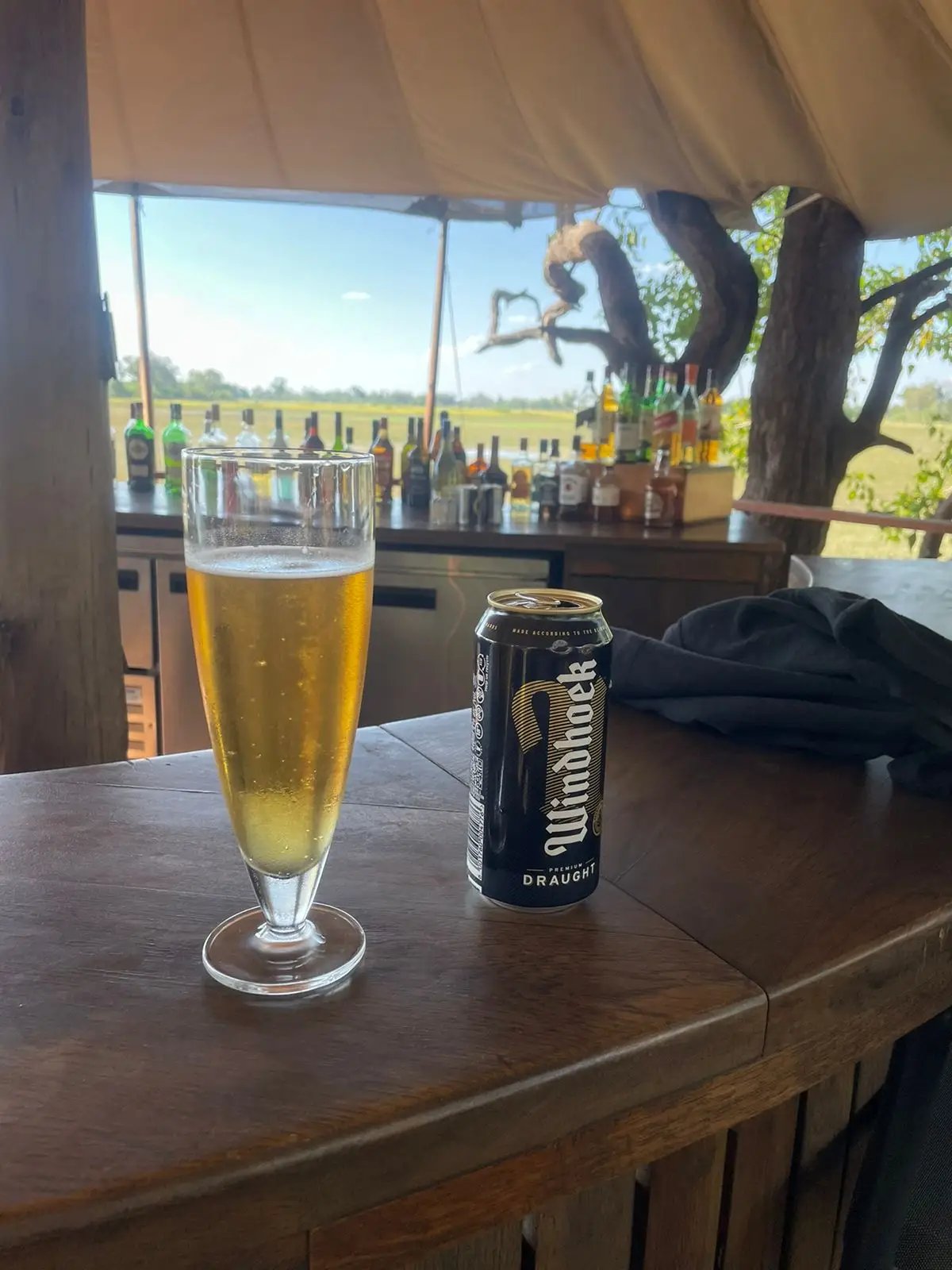
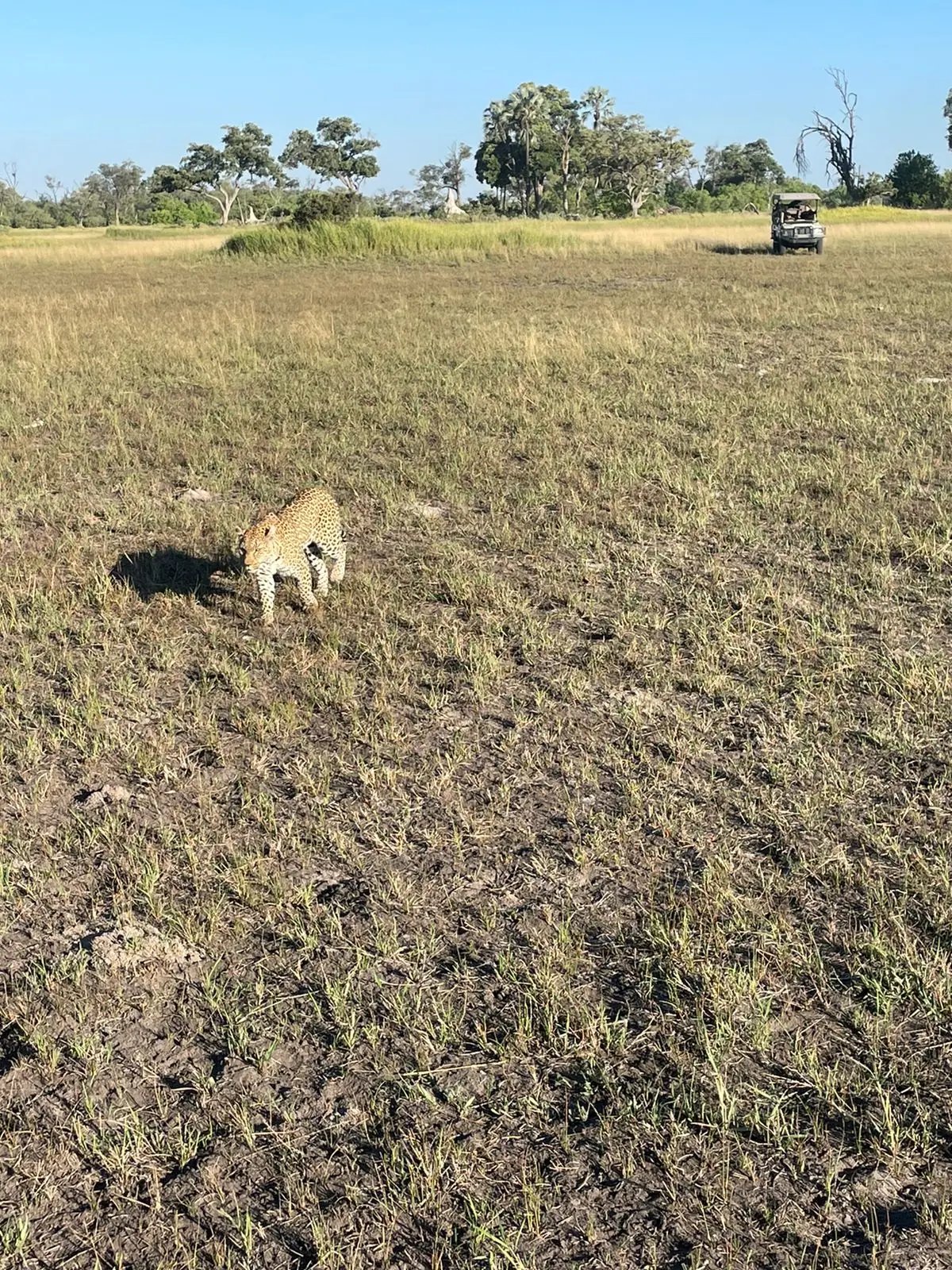
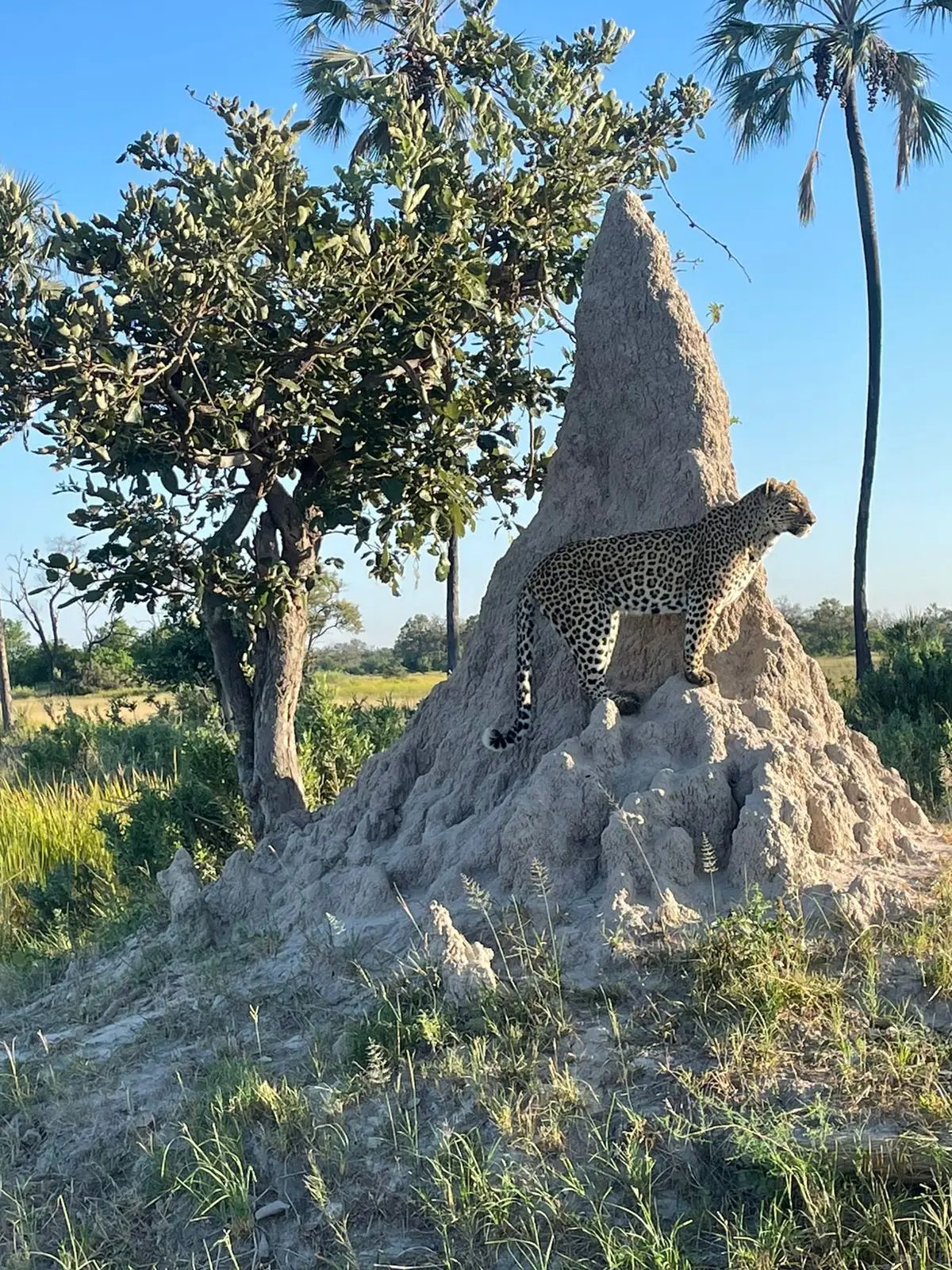
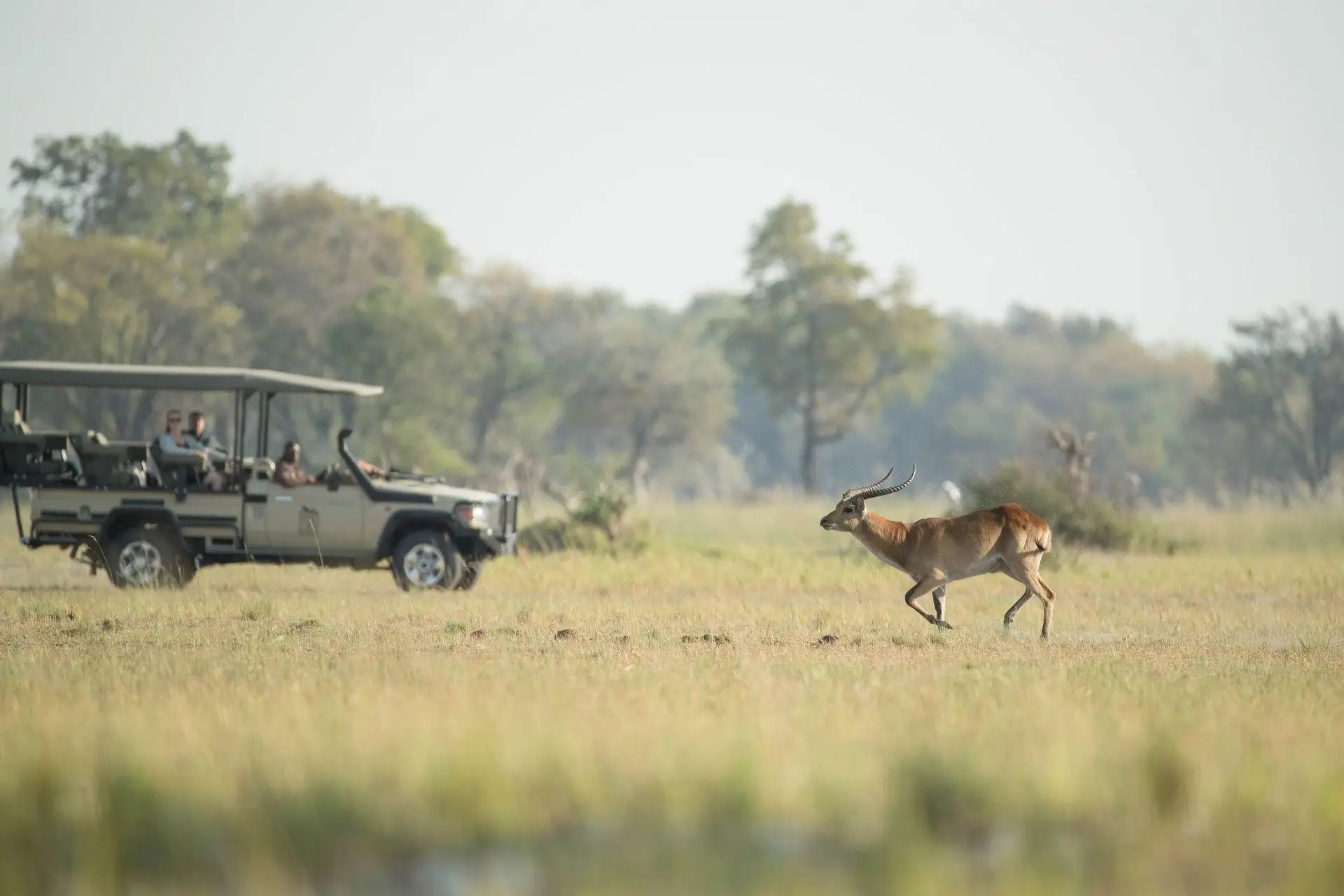
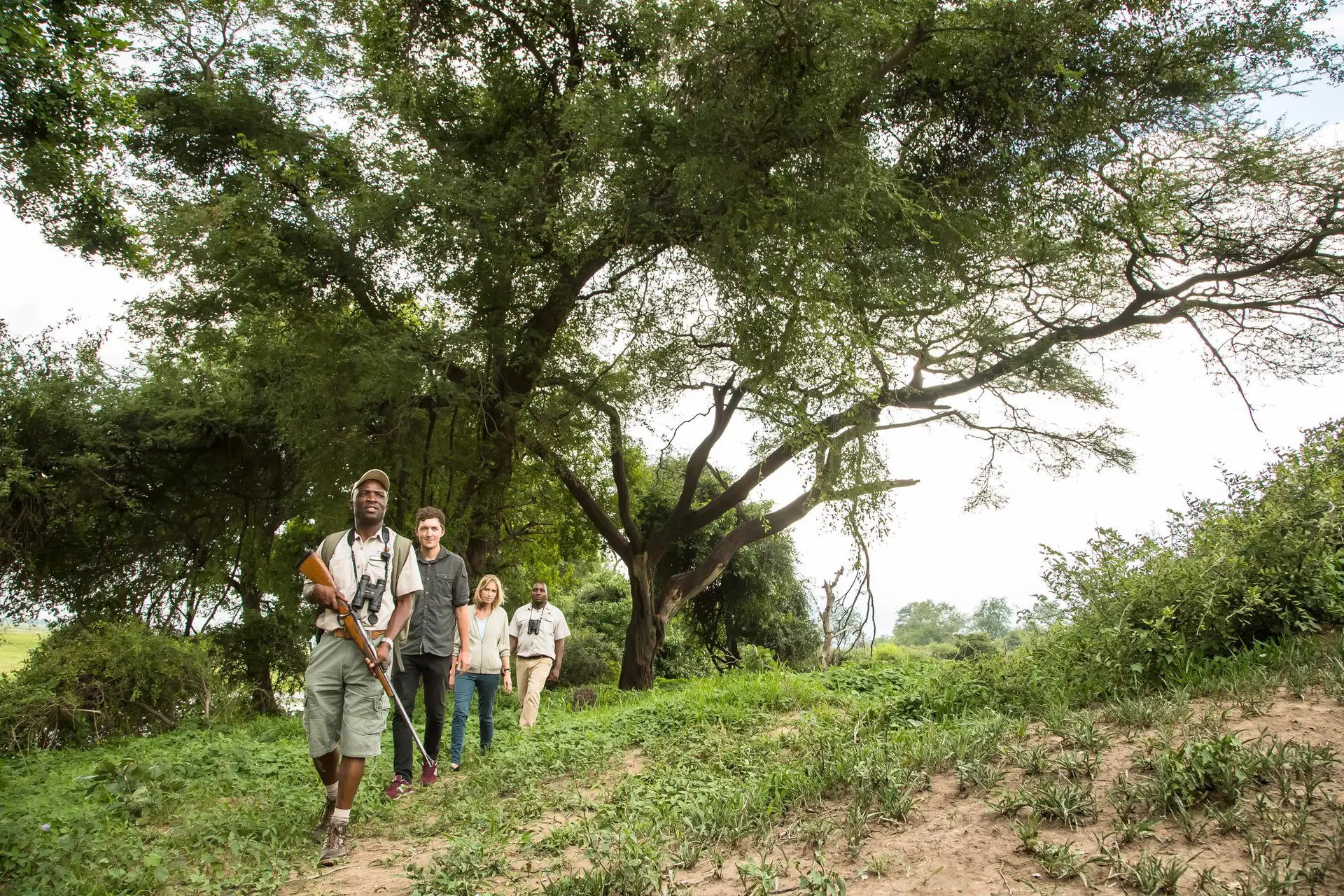
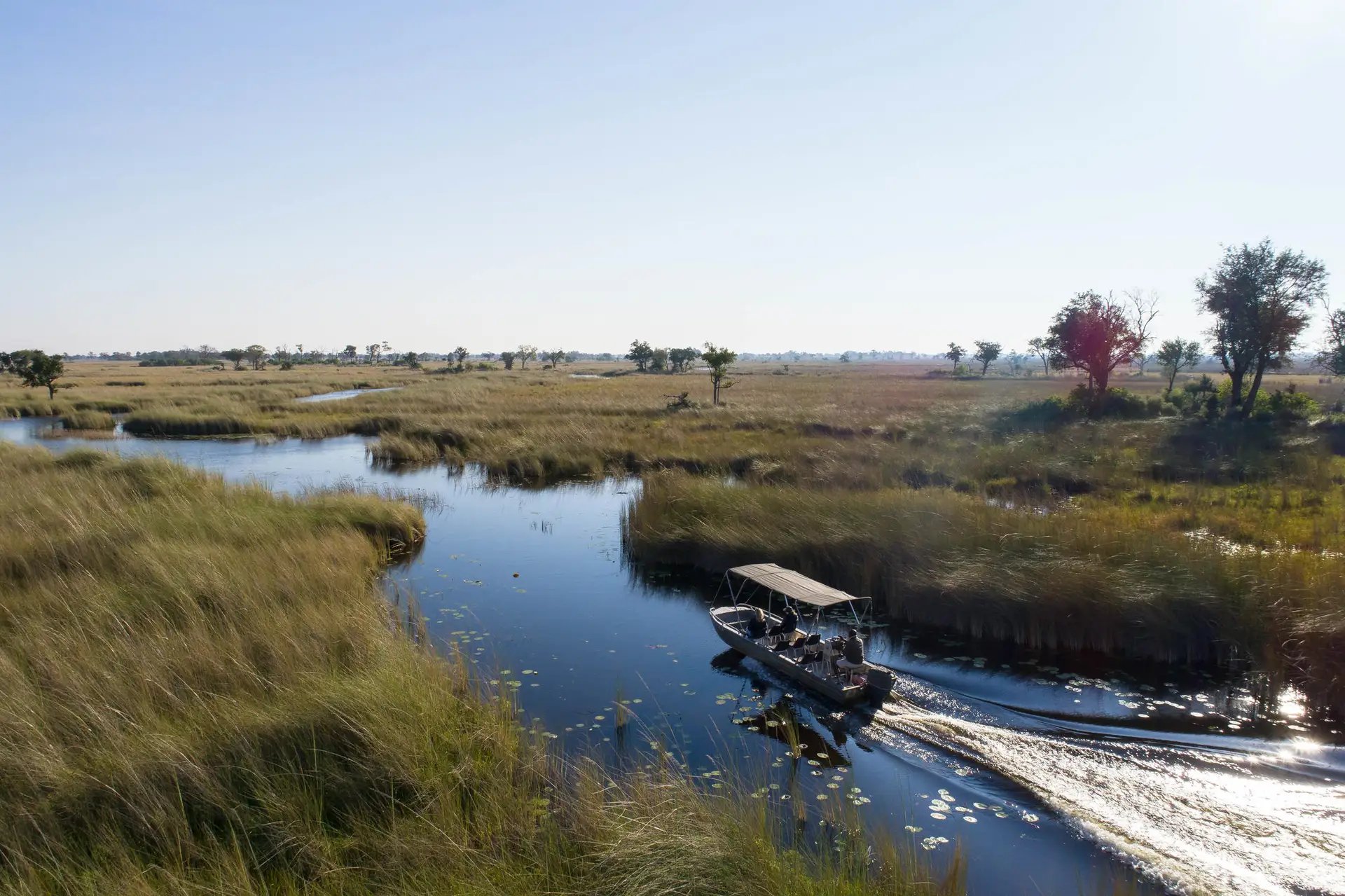
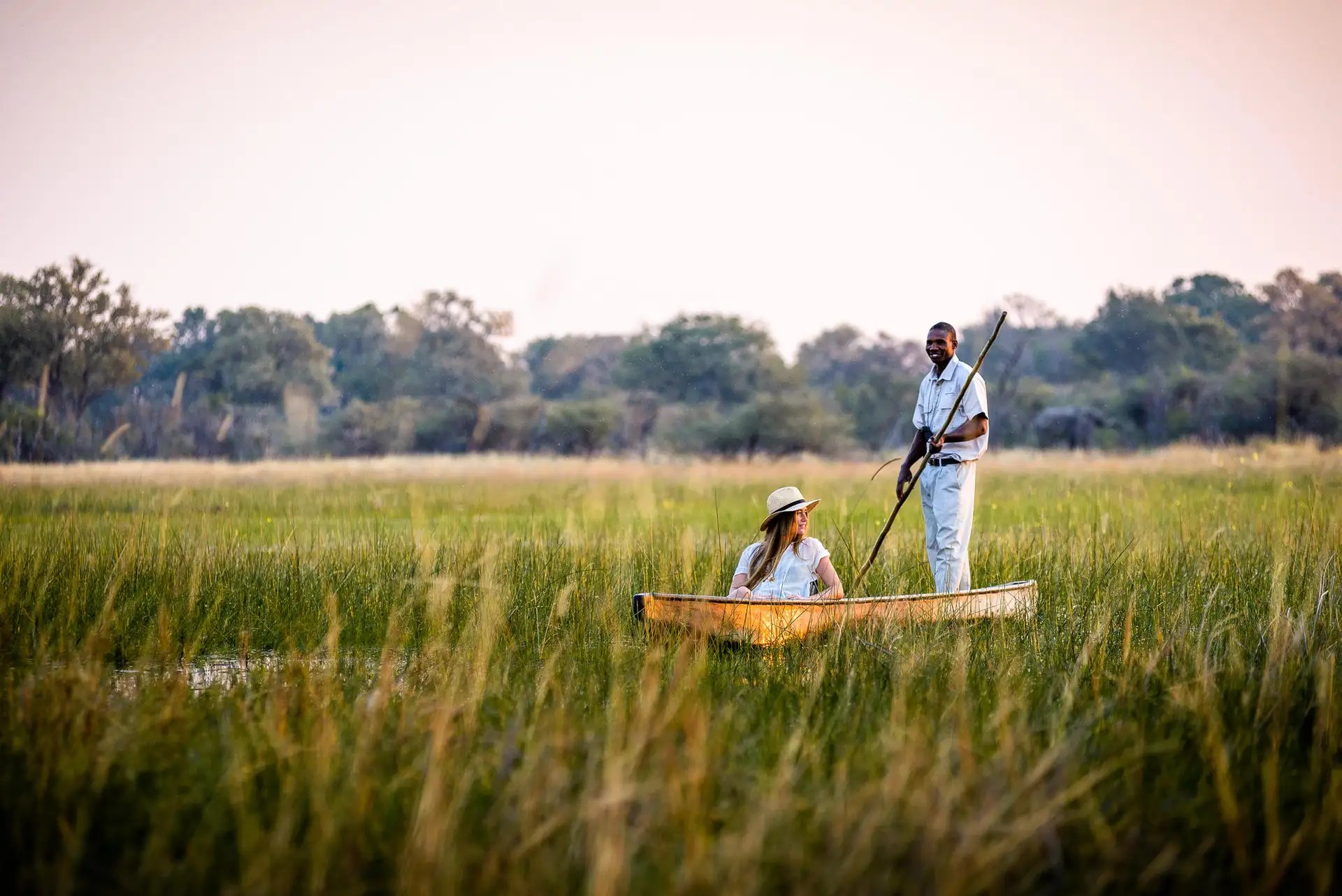
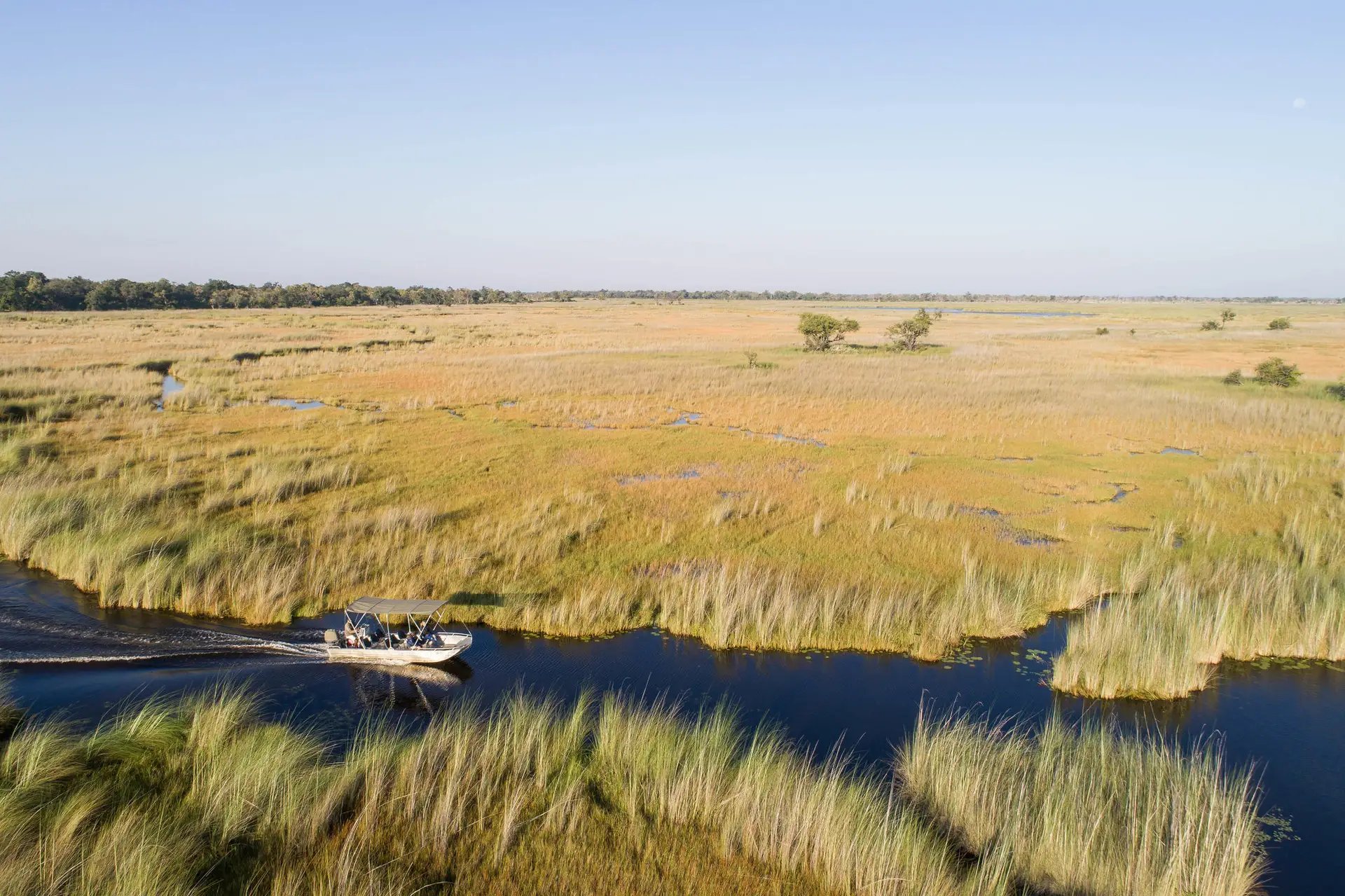
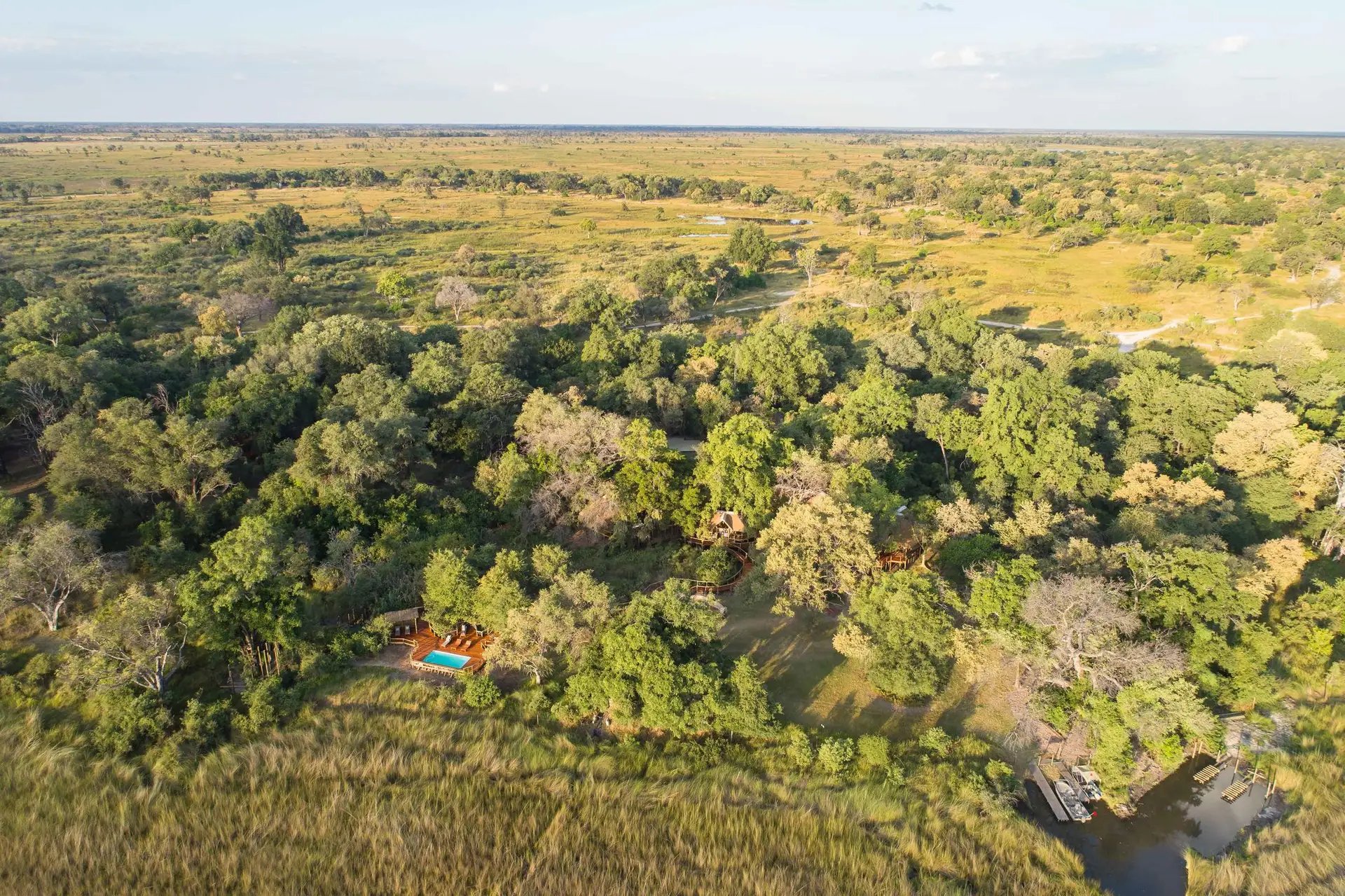
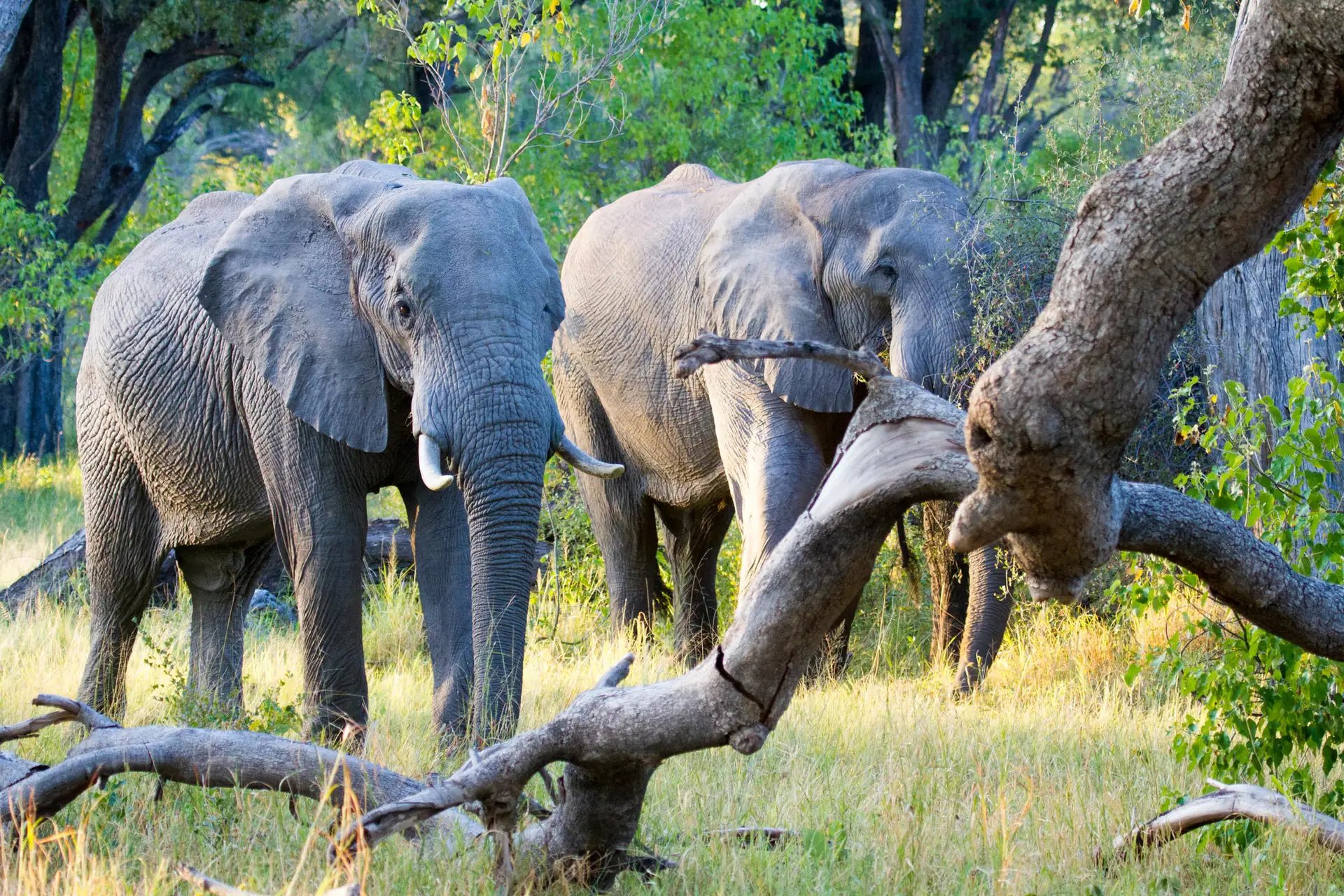
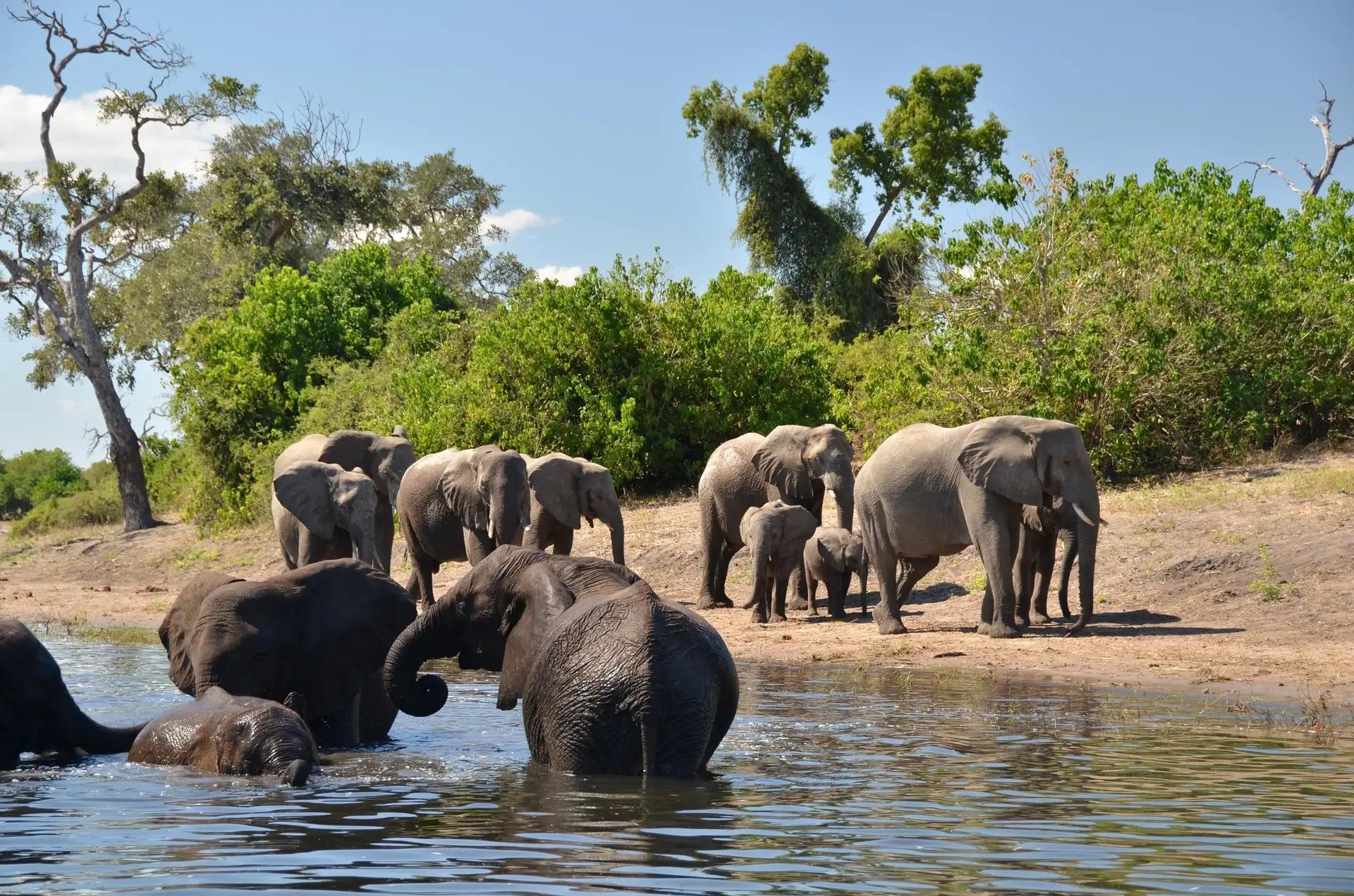
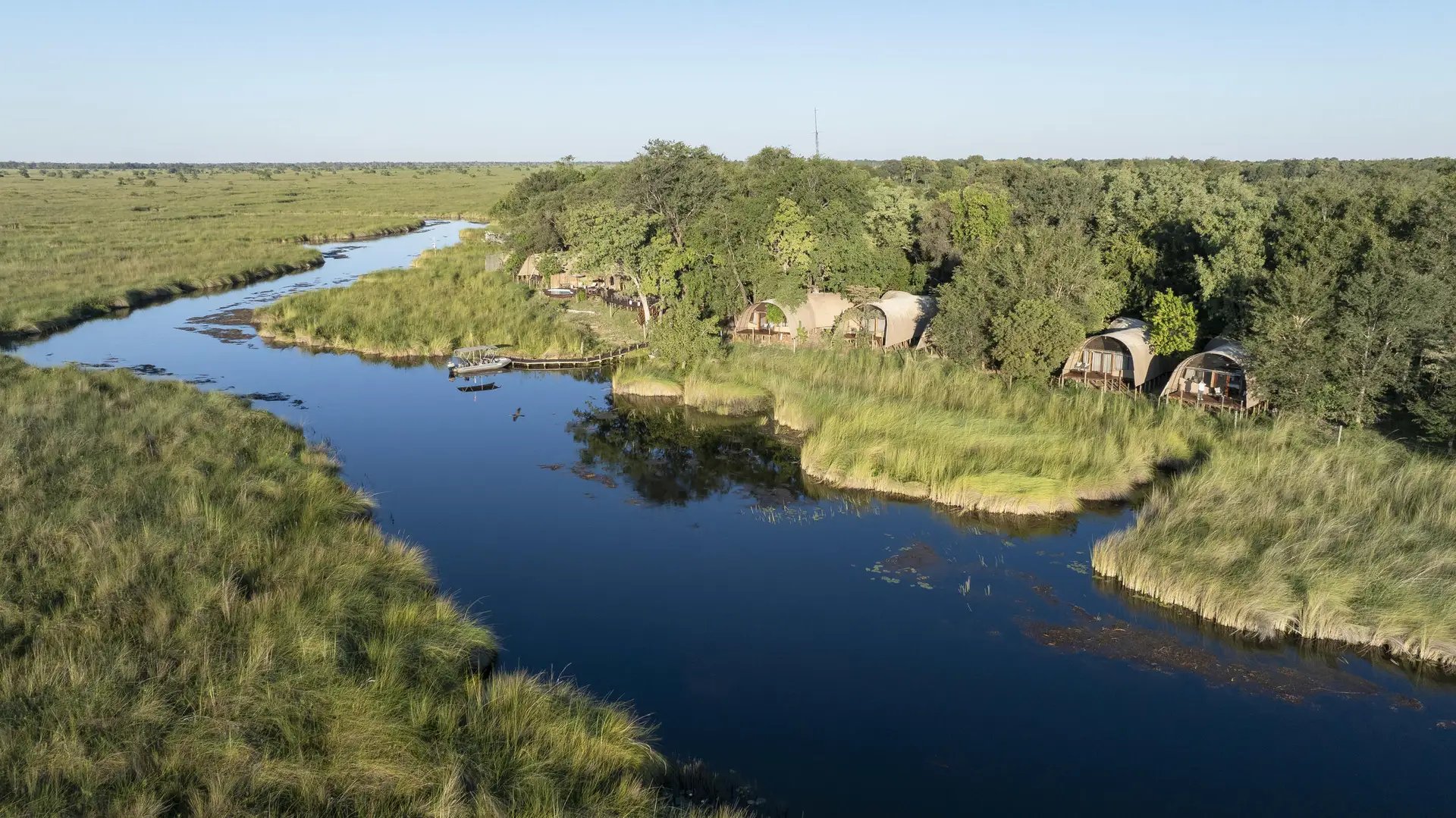
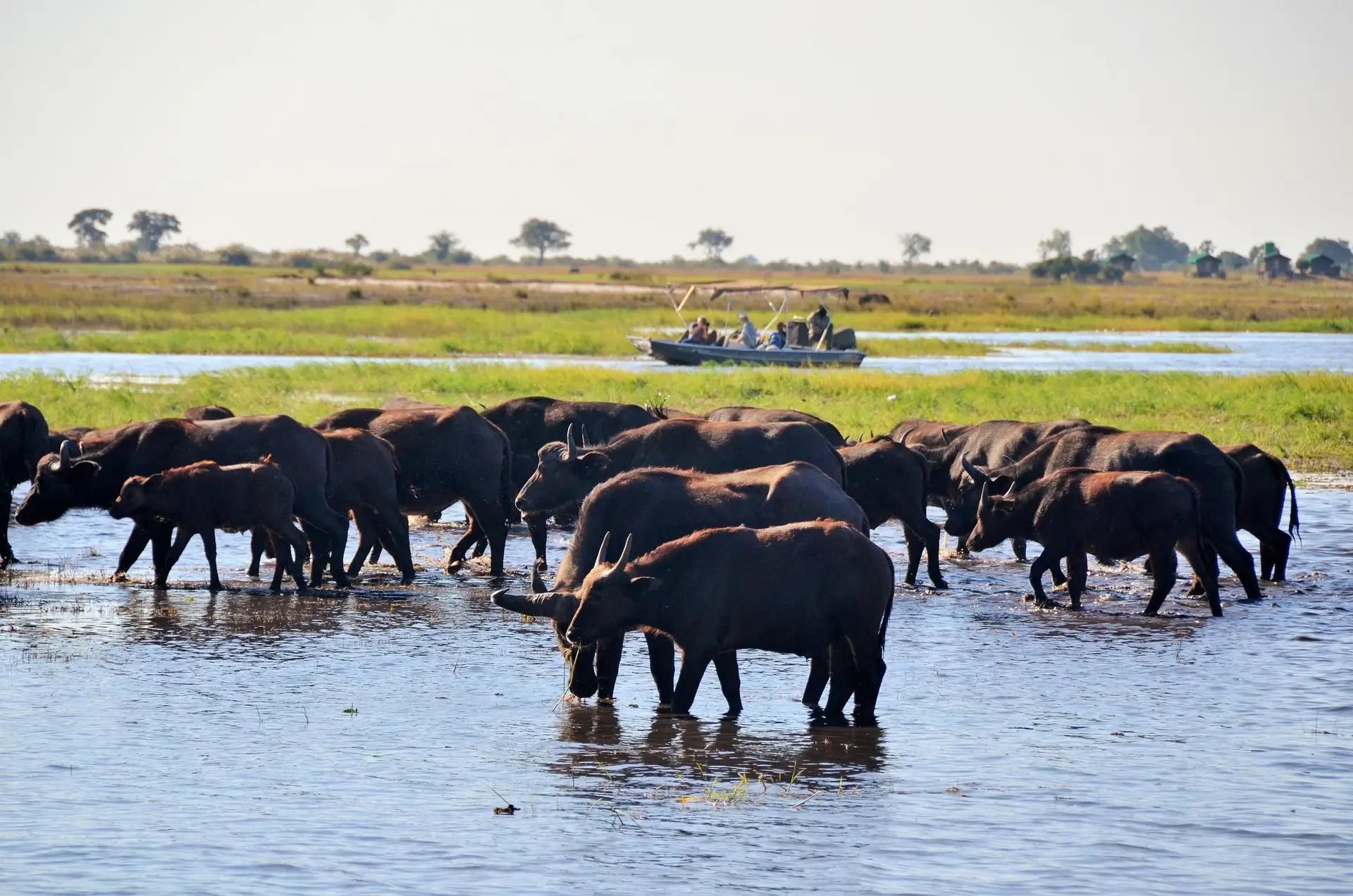
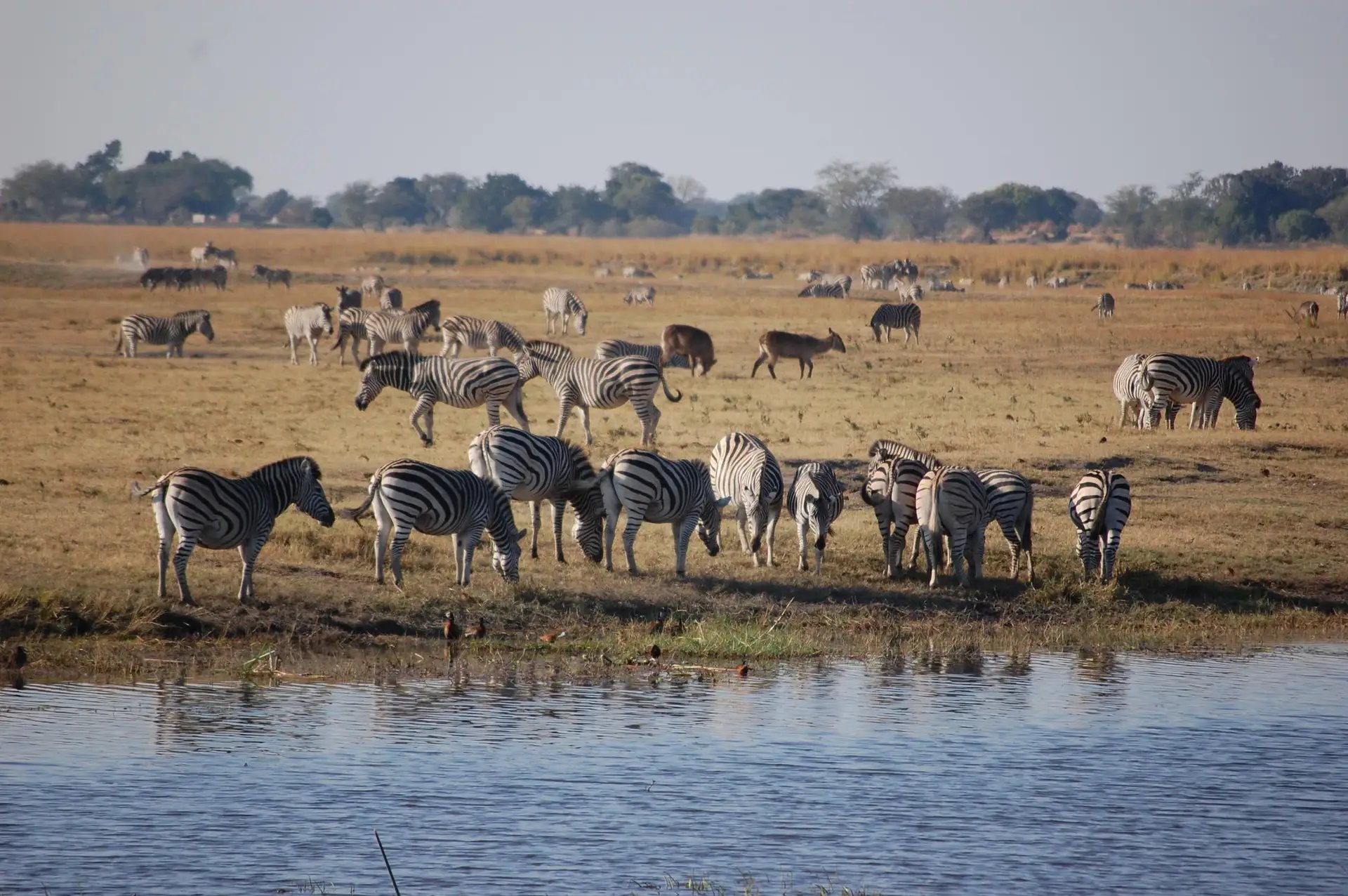
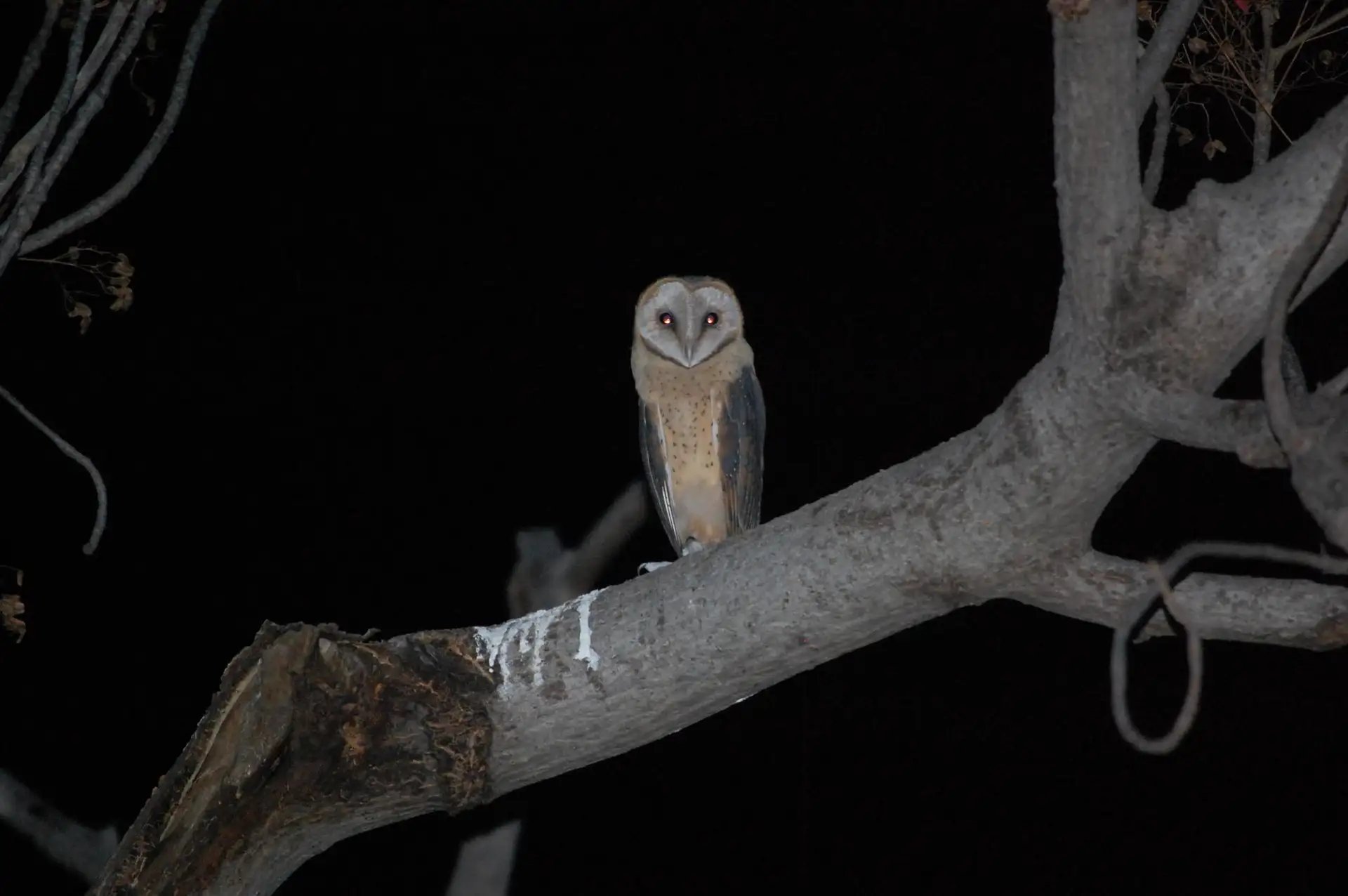
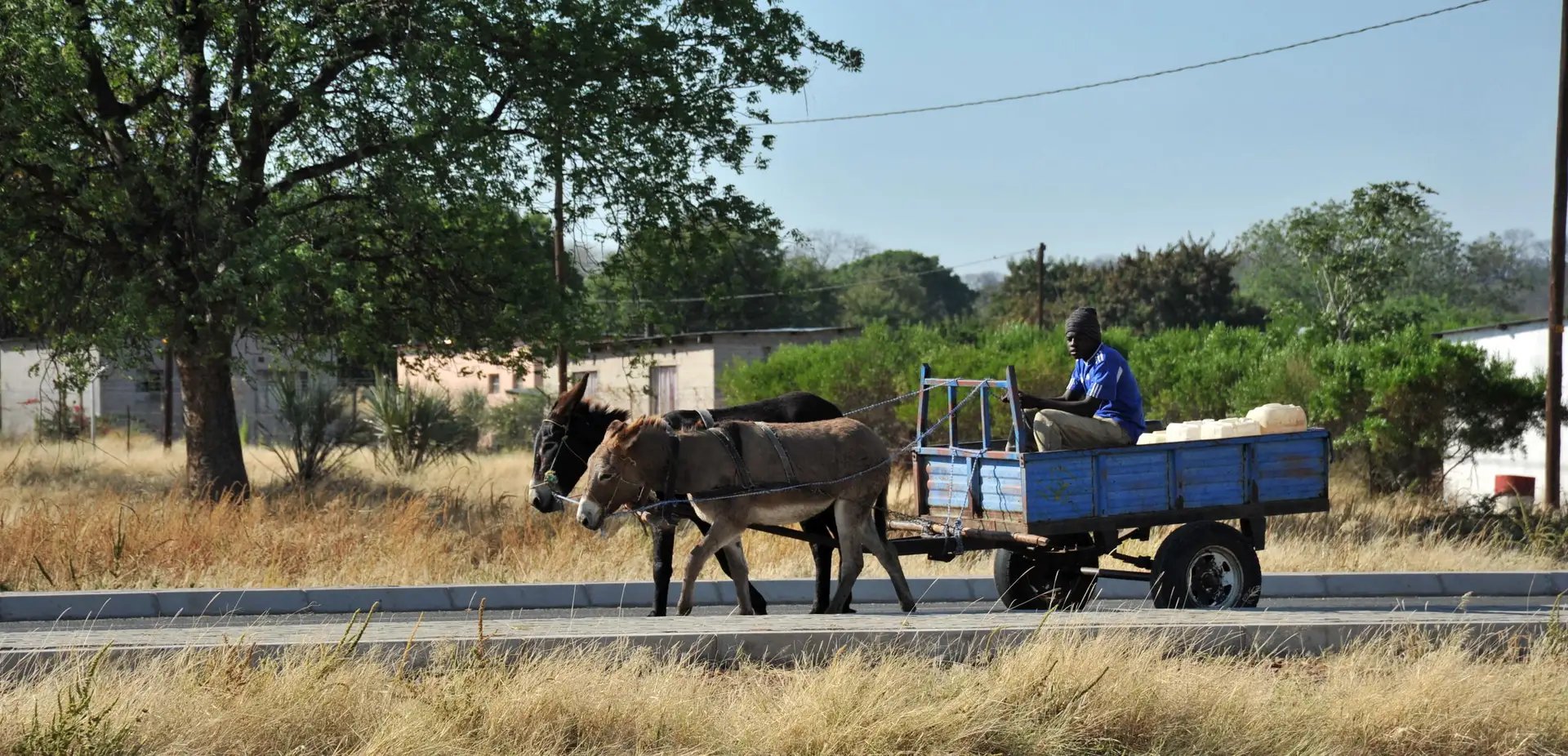
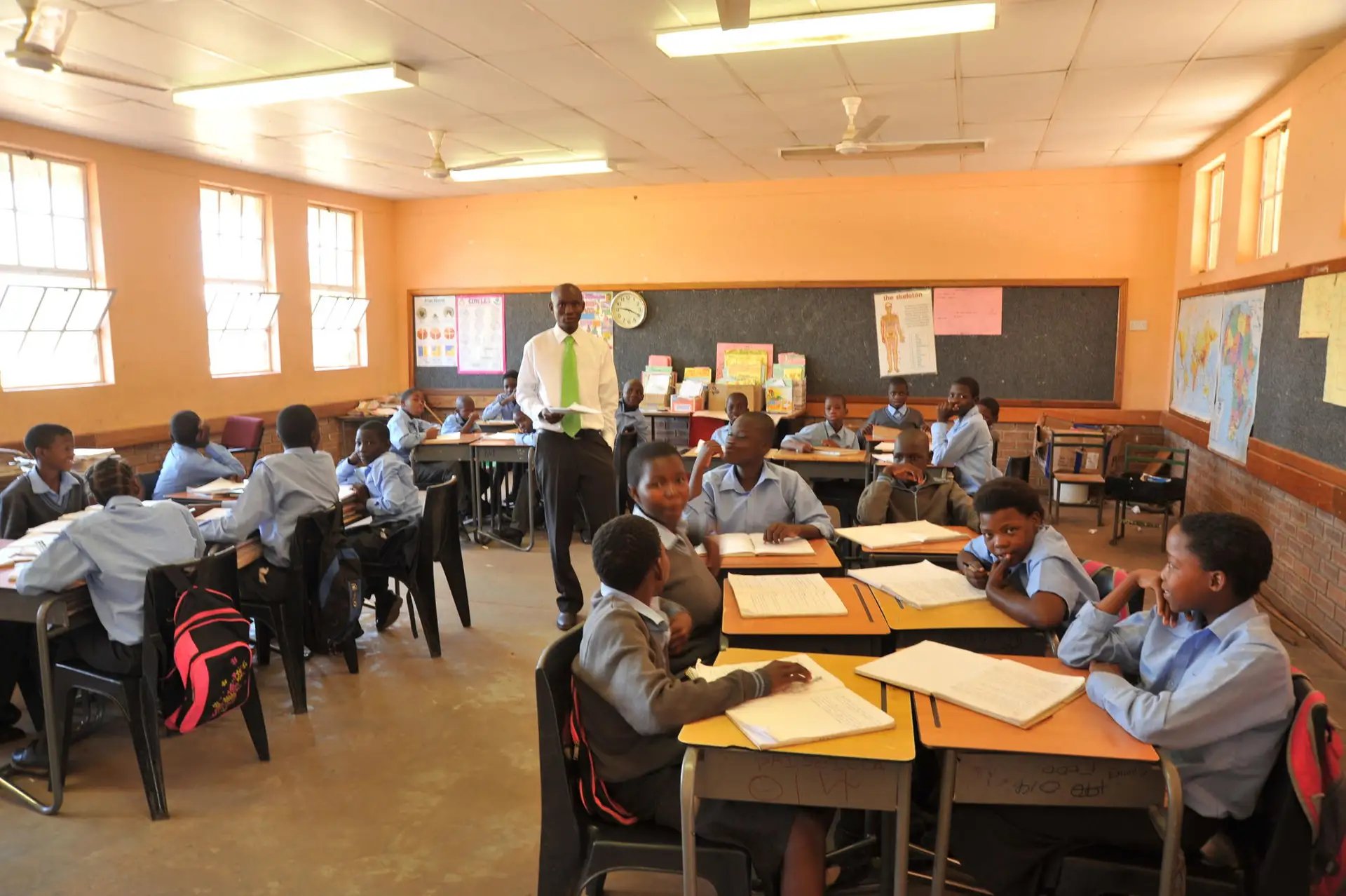
Every photo below was taken by a guest of ours on a recent trip to Botswana. No stock imagery, no marketing shots. What they saw, on their cameras.
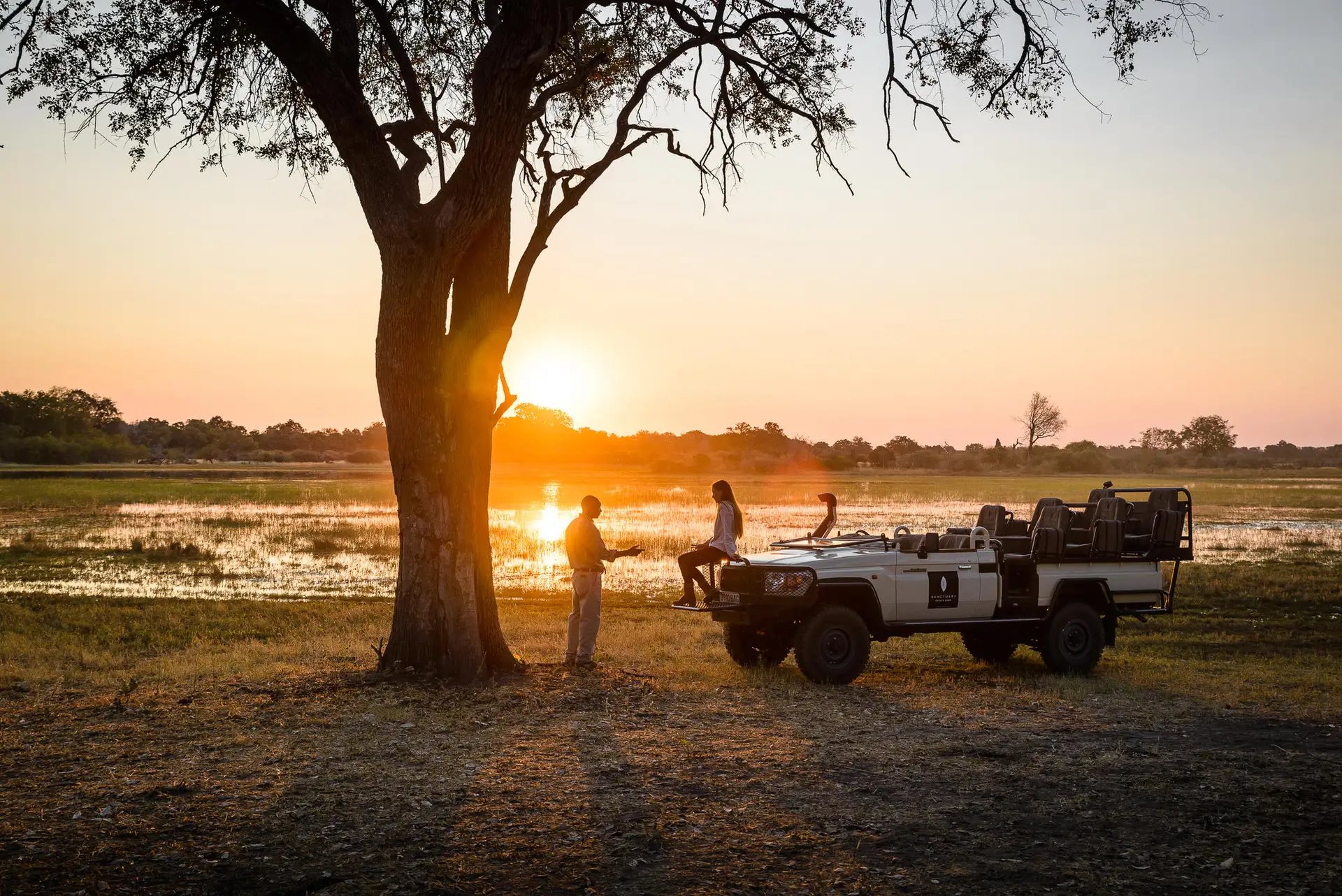
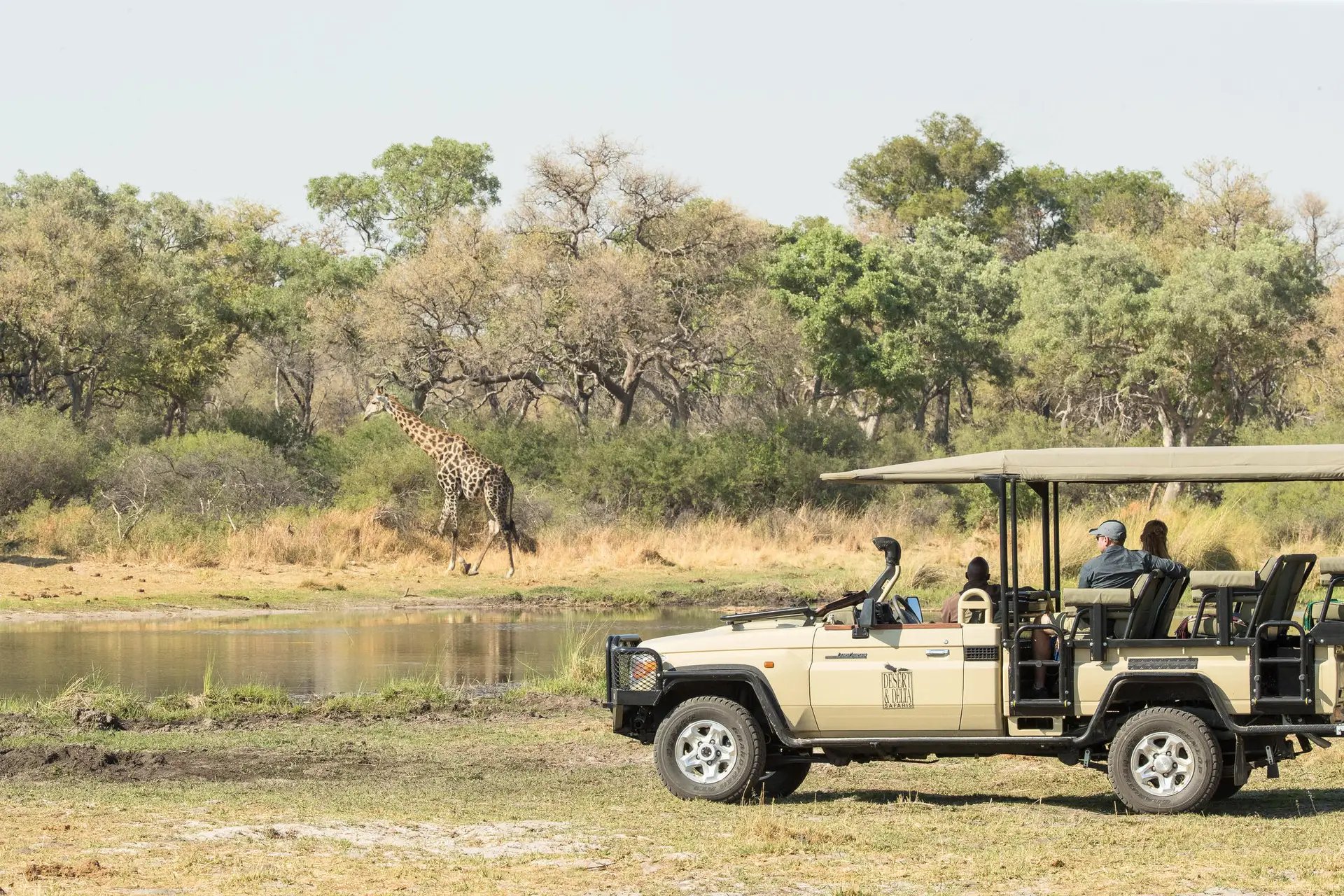
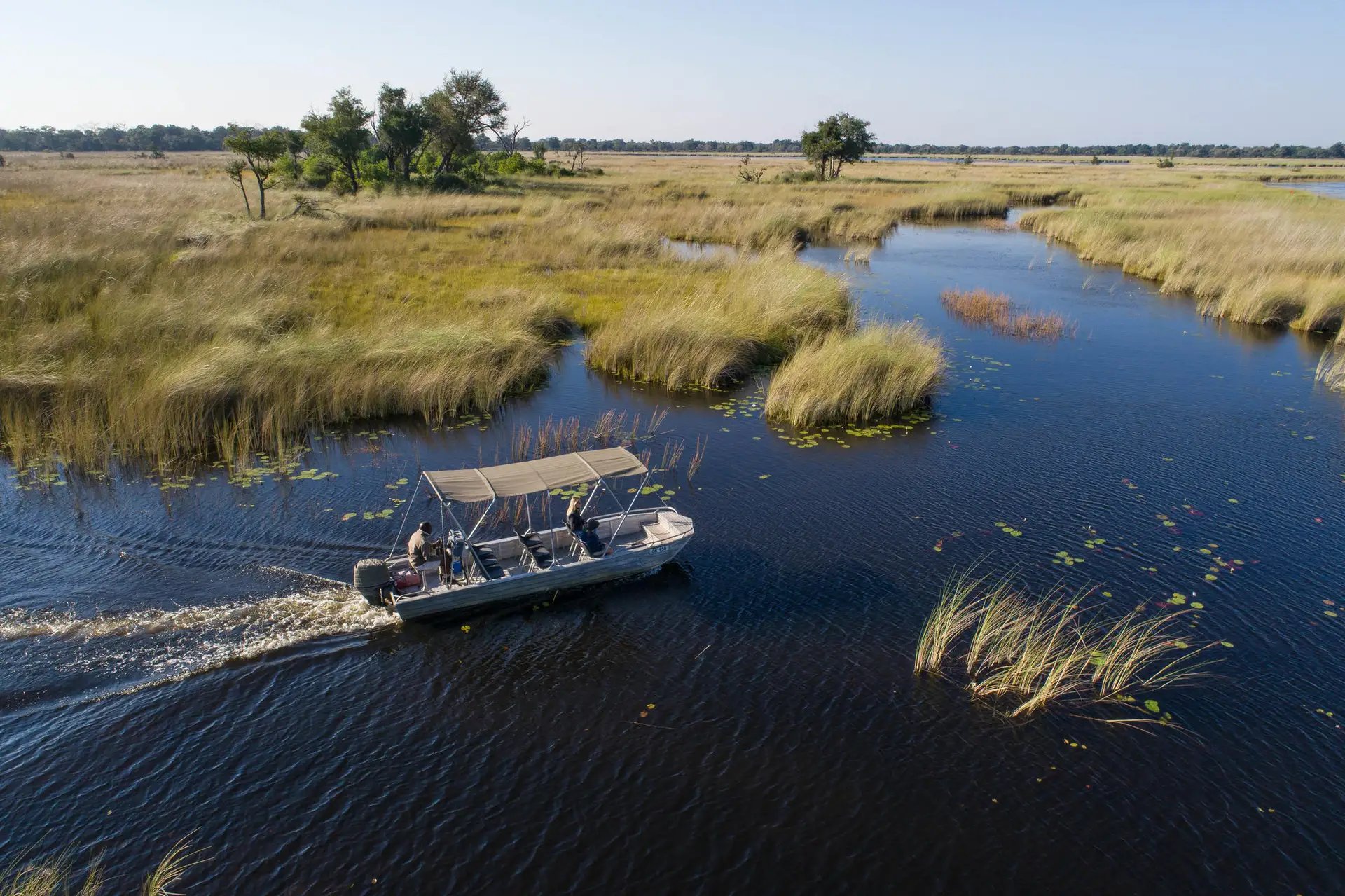
Imagery
Botswana, in pictures.
Recent travellers
Word from people who have just been to Botswana.
Quotes pulled directly from Trustpilot. Where we have specific reviews mentioning Botswana, those come up first. Otherwise these are recent five-star notes from across the trips we have planned.
"I cannot recommend Anja Meyer at Safari.com enough. This is our 3rd trip in 2 years that we have planned with Anja and we cannot imagine using any other travel planner. As travelers who deliberately seek experiences that go beyond the expected, and a bit of luxury that feels authentic, every single trip that we have booked with Anya has been a complex, mult…"
"Zene Devine at Safari.com was so helpful and such a pleasure to deal with at putting our family holiday together. With her expertise & knowledge, she easily got the gist of our budget and preferances and offered detailed, wonderful options for our upcoming trip to Sth Africa, Zimbabwe and Botswana. I have always travelled independently, but this time (with…"
"Pascal John was very patient and worked with us to make a trip that could tie up with our international return tickets. We could reverse the sequence to visit Botswana first, finish in Sabi and found earlier flight to get us back in time . No pressure, genuine support."
"About to go to Botswana … the trip was made so easy thru safari.com"
Speak to a safari specialist
Plan your trip to Botswana.
Tell us when, who's coming, and what you're hoping for. One specialist looks after the rest.
Planning something beyond the ordinary?
Private & bespoke travel